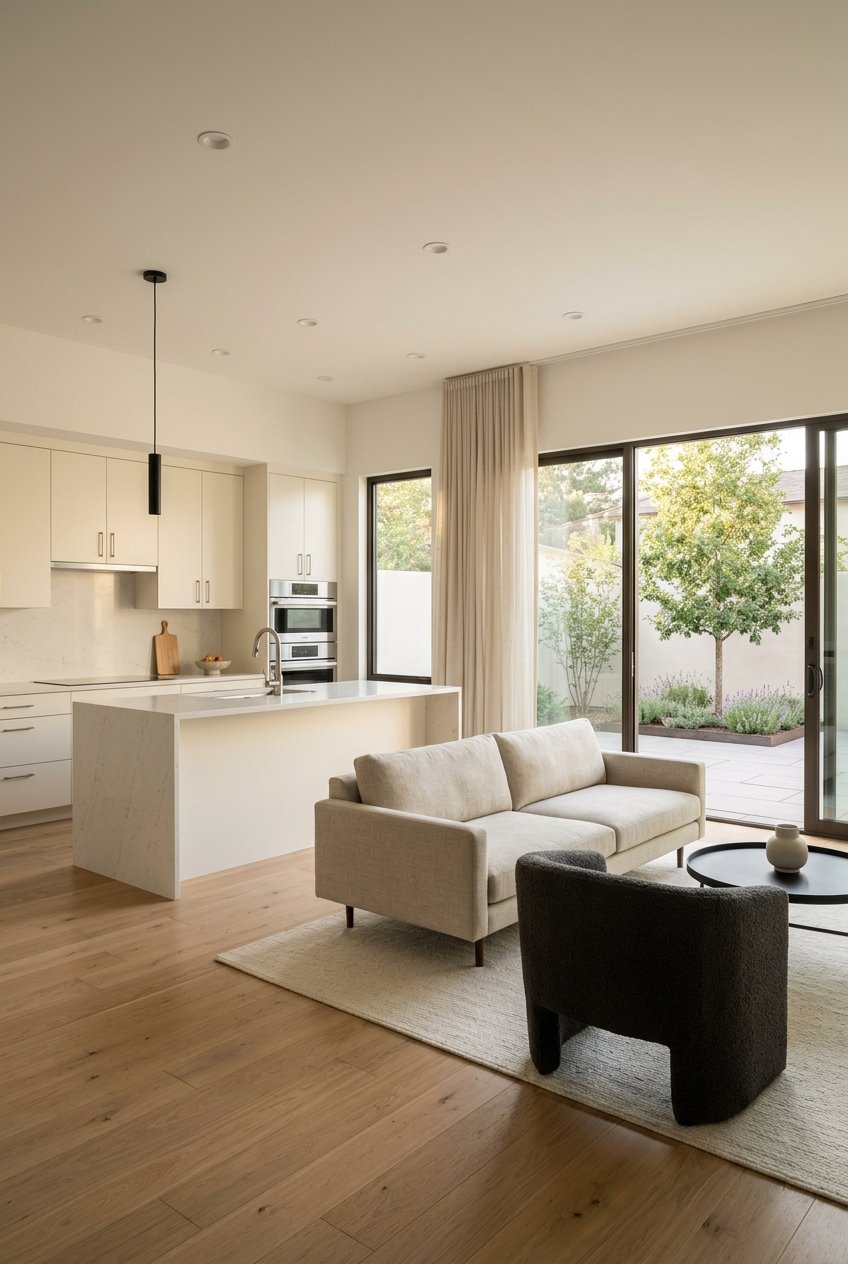
Selling a design-forward home in Cherry Creek takes more than polished photos and a luxury price tag. Buyers in this part of Denver tend to notice the details, from material choices and natural light to how a home’s architecture fits the neighborhood around it. If you want your listing to stand out, you need a strategy that highlights the home’s story, presents it with restraint, and connects it to Cherry Creek’s refined urban setting. Let’s dive in.
Why Cherry Creek demands a thoughtful strategy
Cherry Creek has a distinct identity within Denver. The area blends dense urban development with tree-lined residential streets near the city’s geographic center, and Cherry Creek North sits about three miles from downtown in a well-known 16-block district.
That setting matters when you market a home. Cherry Creek North is known for its concentration of locally owned shops, boutiques, dining destinations, wellness experiences, galleries, and design-driven retail. The annual Cherry Creek Arts Festival, with 250 juried artists, reinforces the area’s strong connection to art, curation, and craftsmanship.
In other words, your buyer is not just shopping for square footage. They are also responding to setting, style, and how a home feels within a neighborhood that already speaks the language of design.
Market conditions raise the bar
Cherry Creek is still a competitive market, but presentation matters. Redfin’s March 2026 snapshot shows a median sale price of $1.205 million, a median 26 days on market, and a 97.6% sale-to-list ratio, with many homes receiving multiple offers.
At the metro level, Denver has been steady rather than strongly seasonal. DMAR’s April 2026 report shows a $605,000 median close price, 11,539 active listings, and a median 14 days in MLS.
What does that mean for you as a seller? Buyers are active, but they are also comparing options quickly. A design-forward home needs to make a clear, immediate impression and be priced with discipline from the start.
Lead with the home’s design thesis
For a design-forward property, generic luxury language usually falls flat. Buyers in Cherry Creek are better served by a listing story that explains why the home is compelling.
That story should start with the design thesis. Maybe the home is architect-designed, thoughtfully renovated, or shaped around indoor-outdoor living. Maybe it preserves original character while updating systems and finishes for modern use.
The key is specificity. Your marketing should answer questions like:
- Who designed or renovated the home?
- What original elements were preserved?
- Which systems or finishes were updated?
- How does the layout support daily living?
- What makes this home a strong fit for Cherry Creek?
Cherry Creek’s own history supports that layered storytelling. The area evolved from the town of Harman into the modern district it is today, and that long arc gives context for homes with provenance, craftsmanship, and a meaningful renovation story.
Translate design into everyday value
Even design-savvy buyers want practical clarity. It is not enough to say a home is sophisticated or elevated. You need to show how the design improves everyday life.
That means turning abstract style into concrete benefits. For example, a strong listing narrative can point to natural light, easy circulation, storage, flexible living spaces, and connections between interior rooms and outdoor areas.
This is especially important in Cherry Creek, where the neighborhood blends walkable urban convenience with residential calm. Redfin describes the area as very walkable and very bikeable, so lifestyle messaging can credibly reflect the ease of getting to shops, restaurants, and neighborhood amenities on foot or by bike.
Staging should support the architecture
Staging is not optional if you want buyers to connect quickly. According to NAR’s 2025 staging research, 83% of buyers’ agents said staging makes it easier for buyers to visualize a property as their future home. The same research found that 49% of sellers’ agents observed faster sales, and 29% reported a 1% to 10% increase in offered value.
For a design-forward home, though, staging should be edited, not excessive. In Cherry Creek, buyers are likely to notice when furnishings fight the architecture instead of supporting it.
The goal is to preserve the home’s lines, light, and materiality. Furnishings should complement the style and era of the property, while accessories should stay minimal enough to keep attention on millwork, windows, staircases, built-ins, and other signature features.
Focus on the rooms that matter most
NAR’s research also points to the spaces with the biggest impact. The living room, primary bedroom, dining room, and kitchen are among the most important rooms to stage.
That creates a simple priority list for sellers:
- Refine the living room so buyers can read the scale and flow.
- Simplify the primary bedroom to emphasize calm and proportion.
- Clarify the dining area so entertaining feels easy and natural.
- Polish the kitchen so finishes, function, and storage are obvious.
If your home has a standout office, terrace, courtyard, or secondary lounge, those spaces can support the story too. But the core rooms should always carry the campaign.
Photography needs to tell a visual story
When buyers first meet your home online, they are judging it through images. NAR found that listing photos were highly important to 73% of buyers’ agents, making them one of the most important marketing tools in the entire campaign.
For Cherry Creek, photography should do more than document rooms. It should create a sequence that moves buyers through the home with intention.
A strong visual story often starts with curb appeal, then moves into the entry, living room, kitchen, dining area, and primary suite. After that, detail shots can highlight the proof points that support the home’s design pedigree, such as custom cabinetry, stonework, lighting, hardware, or thoughtfully framed outdoor spaces.
Start at the curb
First impressions begin before buyers walk inside. NAR also notes that common seller-side recommendations include decluttering, cleaning, and improving curb appeal.
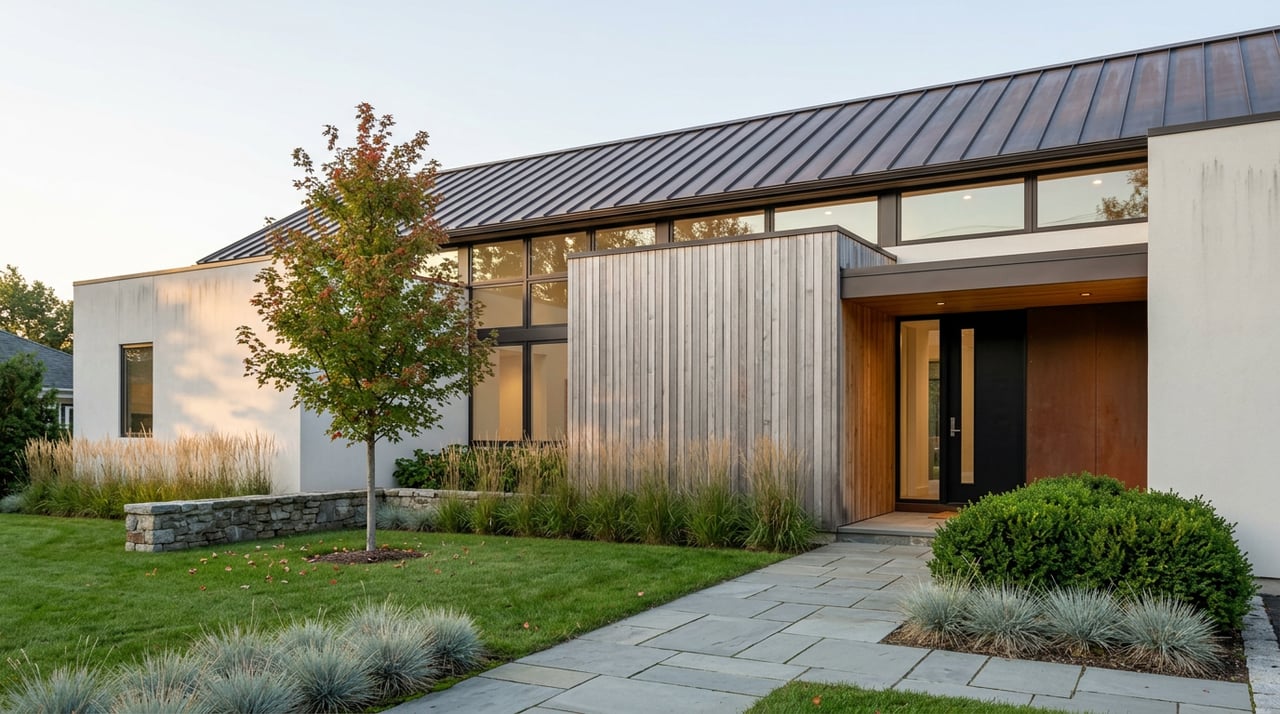
For a Cherry Creek listing, the exterior should feel as composed as the interior. Clean landscaping, tidy hardscape, and a clear approach to the front door help signal quality right away.
Floor plans and tours help buyers understand the home
Design-forward homes often rely on flow, proportion, and room-to-room relationships. Those qualities are harder to explain with words alone.
That is why floor plans and virtual experiences matter. NAR’s 2025 reporting says virtual tours help buyers understand a home’s layout before they schedule an in-person showing, and floor plans are the most requested visual asset after listing photos.
For sellers, this means a premium media package is worth serious consideration. When buyers can see the plan, study the layout, and understand furniture placement in advance, they arrive with stronger context and often greater intent.
Build a layered marketing campaign
Cherry Creek homes benefit from a full campaign rather than a single set of MLS photos. A layered approach gives buyers multiple ways to connect with the property and gives the listing a more complete, polished presentation.
For many design-forward homes, the strongest campaign includes:
- Professional still photography
- A floor plan
- A 3D walkthrough
- Short-form video
- Detail images that isolate standout design moments
- Listing copy that ties the home to Cherry Creek’s setting and lifestyle
This kind of package fits both the neighborhood and the buyer profile. Cherry Creek North’s concentration of boutiques, galleries, hotels, and restaurants creates a credible lifestyle backdrop, so your home can be positioned not just as a residence, but as part of a broader design-and-culture ecosystem.
Avoid the most common mistakes
The biggest marketing mistakes in this submarket are usually easy to spot. They are also avoidable.
Mistake 1: Generic luxury language
Words like “stunning,” “elevated,” and “one-of-a-kind” do very little on their own. Buyers respond better to concrete details that explain quality, layout, updates, and design intent.
Mistake 2: Over-staging
Too much furniture or decor can flatten a home’s character. If the styling feels busy, buyers may miss the architecture entirely.
Mistake 3: A vague renovation story
If a home has been improved, buyers want clarity. They want to know what was preserved, what changed, and how those updates support comfort and function.
Mistake 4: Forgetting neighborhood fit
A design-forward home in Cherry Creek should feel connected to its setting. The strongest campaigns show not just what the home is, but why it belongs here.
What effective Cherry Creek marketing looks like
The best marketing for a design-forward Cherry Creek home is precise, calm, and confident. It uses story-led copy, strong visuals, and disciplined presentation to help buyers see both the property and the lifestyle around it.
That usually means highlighting architecture over hype, using staging to support the home rather than overwhelm it, and presenting the layout in a way that makes daily life easy to imagine. In a neighborhood known for curation and design literacy, that approach is often more persuasive than broad luxury branding.
If you are preparing to sell in Cherry Creek, the right strategy is rarely about saying more. It is about saying the right things, showing them clearly, and making sure every part of the campaign feels intentional.
If you want a design-aware strategy tailored to your Cherry Creek home, the Linkow Baltimore Team brings neighborhood insight, elevated marketing, and hands-on guidance from prep to close.
FAQs
How should you market a design-forward home in Cherry Creek?
- Focus on the home’s design story, use architecture-first staging, invest in professional visuals, and connect the property to Cherry Creek’s walkable, design-conscious setting.
Why does staging matter when selling a Cherry Creek home?
- Staging helps buyers visualize living in the home, and NAR research found it can support faster sales and stronger offers when done thoughtfully.
What listing photos matter most for a Cherry Creek property?
- The most important images usually include the exterior, entry, living room, kitchen, dining area, primary bedroom, and close-up details that show material quality and craftsmanship.
Why should a Cherry Creek listing include a floor plan?
- Floor plans help buyers understand layout, circulation, and room relationships before visiting, which is especially helpful for architecturally distinctive homes.
What is the biggest mistake when selling a design-forward home in Cherry Creek?
- The most common mistake is relying on generic luxury language instead of clearly explaining the home’s architecture, updates, materials, and neighborhood fit.