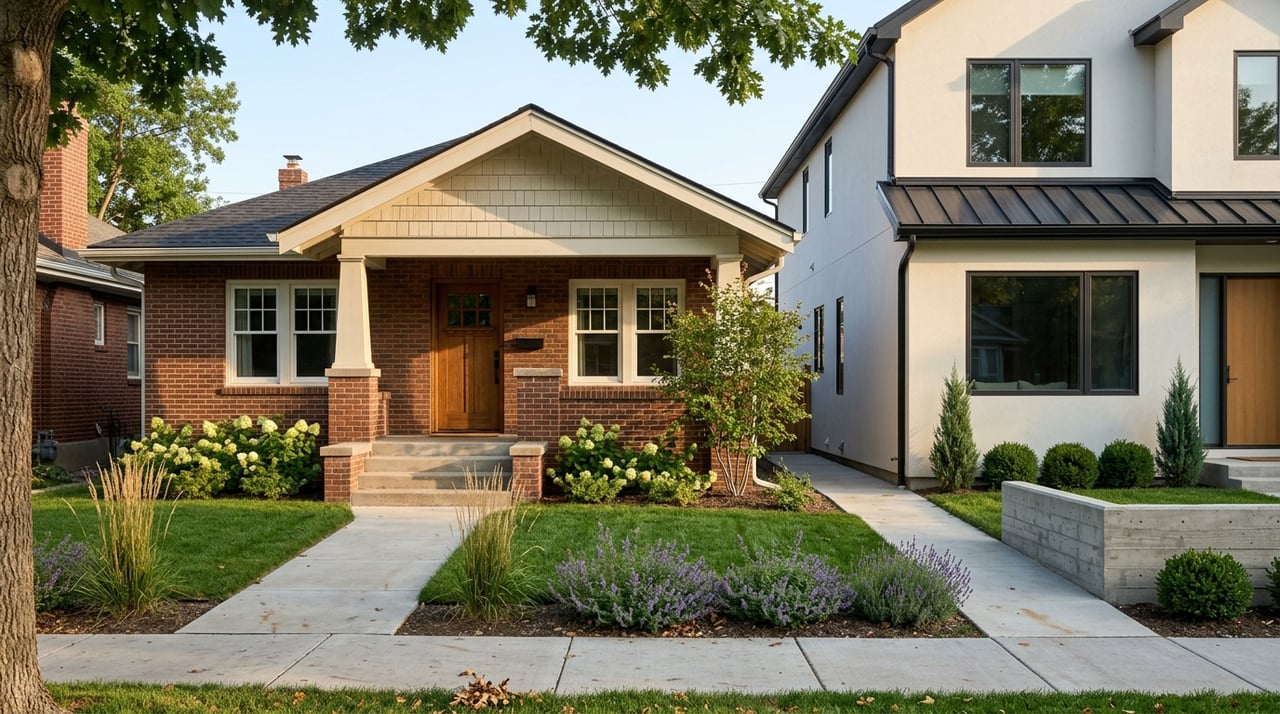
Choosing between a new build and a classic bungalow near Washington Park is not just about square footage or finishes. It is about how you want to live, how much upkeep you want to take on, and what kind of home feels right in one of Denver’s most park-centered neighborhoods. If you are weighing both options, this guide will help you compare character, maintenance, flexibility, and long-term fit so you can move forward with more clarity. Let’s dive in.
Why Washington Park makes this choice unique
Washington Park has a strong identity that shapes the housing conversation around it. According to the City and County of Denver, the park includes two lakes, the largest meadow in the city park system, formal flower beds, a remnant of the City Ditch, and the 1913 Boathouse. The city also notes that Washington Park is listed on both the National Register of Historic Places and the Colorado State Register.
That setting helps explain why both older homes and newer infill can feel appealing here. You get a neighborhood with deep roots, but also one that continues to evolve. South Gaylord Street is even used by the city as a local example of a small-scale, pedestrian-oriented main street, which adds to the area’s walkable, established feel.
The Denver Public Library’s neighborhood history guide shows that residential development around Washington Park was already underway by 1911. Early 20th-century landmarks, including the Causey-Sterne House and Washington Park Community Church, reinforce that sense of architectural continuity. For buyers, that means your home choice is often tied to whether you want to lean into the neighborhood’s original character or its more modern updates.
What a new build offers
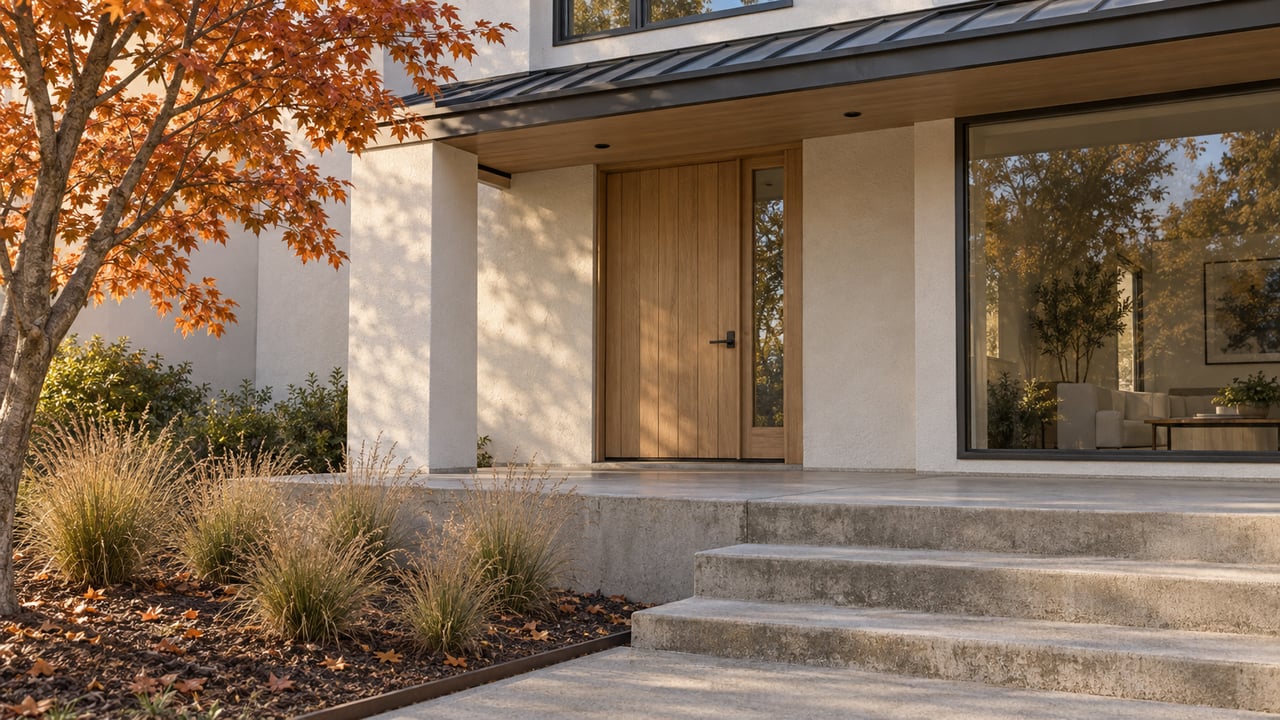
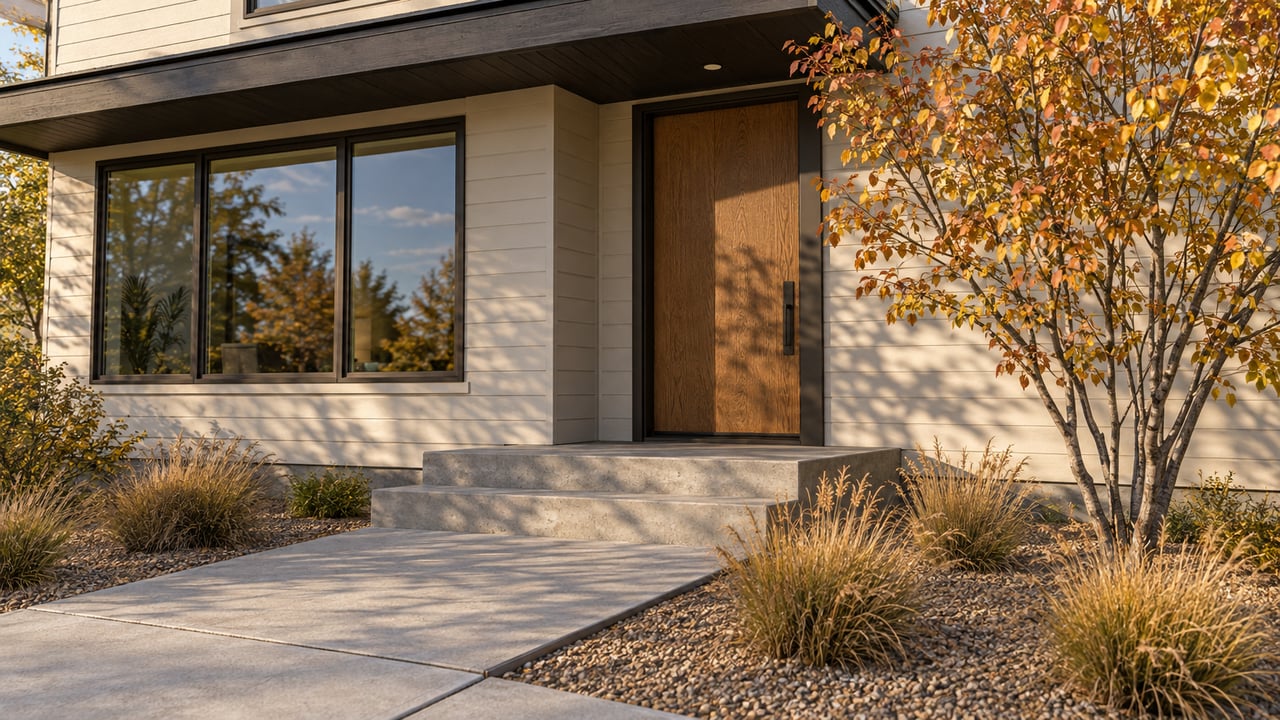
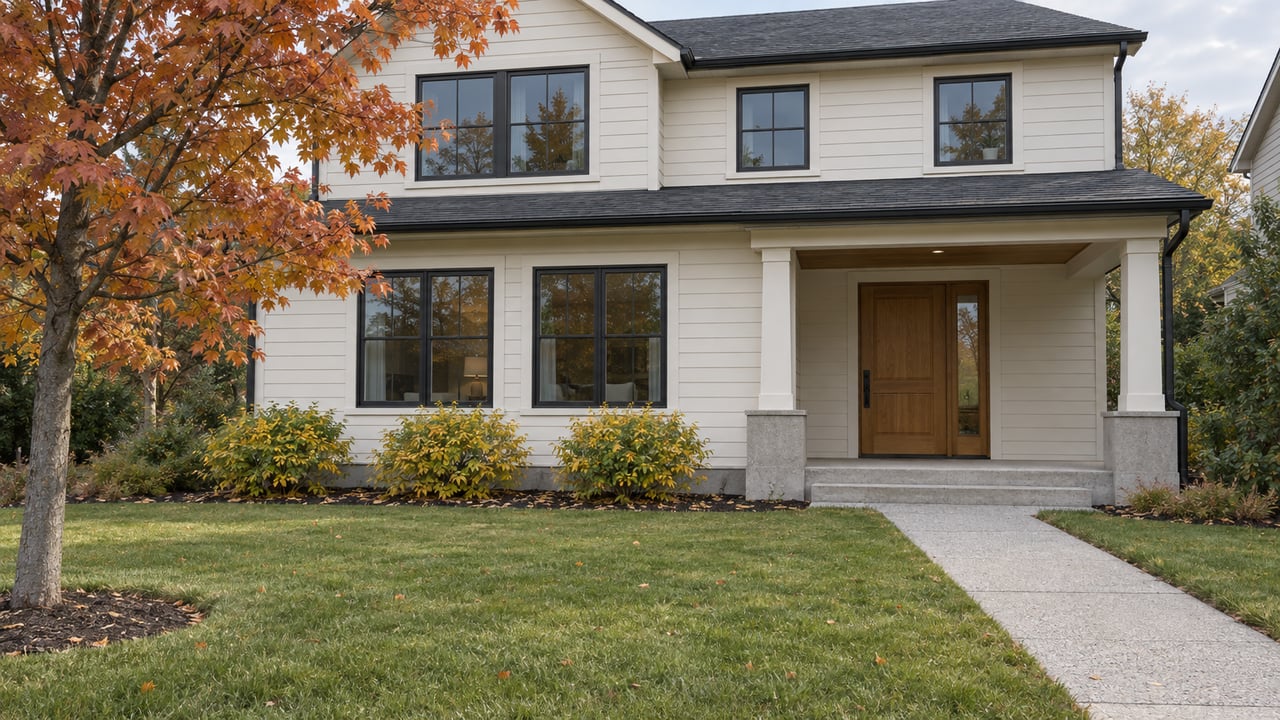
A new build near Washington Park often appeals to buyers who want a cleaner starting point. You may get newer systems, modern layouts, and construction methods that support stronger energy performance. The U.S. Department of Energy says insulation is more cost-effective to add during construction than later, which is one of the structural advantages of buying new.
That can translate into a home that feels easier to maintain in the short term. For many buyers, especially those balancing work, family, or a busy schedule, that lower-maintenance appeal matters. If you want a home that feels move-in ready from day one, new construction can check a lot of boxes.
Newer homes may also fit the way many people live now. Open spaces, larger kitchens, newer windows, and more flexible room layouts can make daily life feel simpler and more functional. If your priority is convenience and efficiency, a new build may feel like the more practical choice.
New builds still require due diligence
It is easy to assume that new means worry-free, but that is not always true. The Federal Trade Commission says many new-home warranties do not cover every out-of-pocket cost tied to construction defects or warranty work. That means you should still read the warranty carefully and understand what is actually covered.
The Consumer Financial Protection Bureau also recommends scheduling an independent inspection as early as possible. That gives you time to identify major issues, request repairs, or cancel if your contract allows it. In other words, a new build can reduce immediate maintenance risk, but it does not remove the need for careful review.
Design rules may shape new construction
In Washington Park, local context matters. If a property is a designated landmark site or sits in a historic district, Denver Landmark Preservation reviews new primary structures and tandem houses through a two-step process. The city’s standards look at mass, form, rooflines, porches, windows, materials, and overall compatibility with the streetscape.
That does not mean new construction is off the table. It does mean the design may need to show more restraint on historic blocks. If you love modern living but also want a home that fits naturally into the neighborhood, this review process is an important part of the conversation.
What a classic bungalow offers
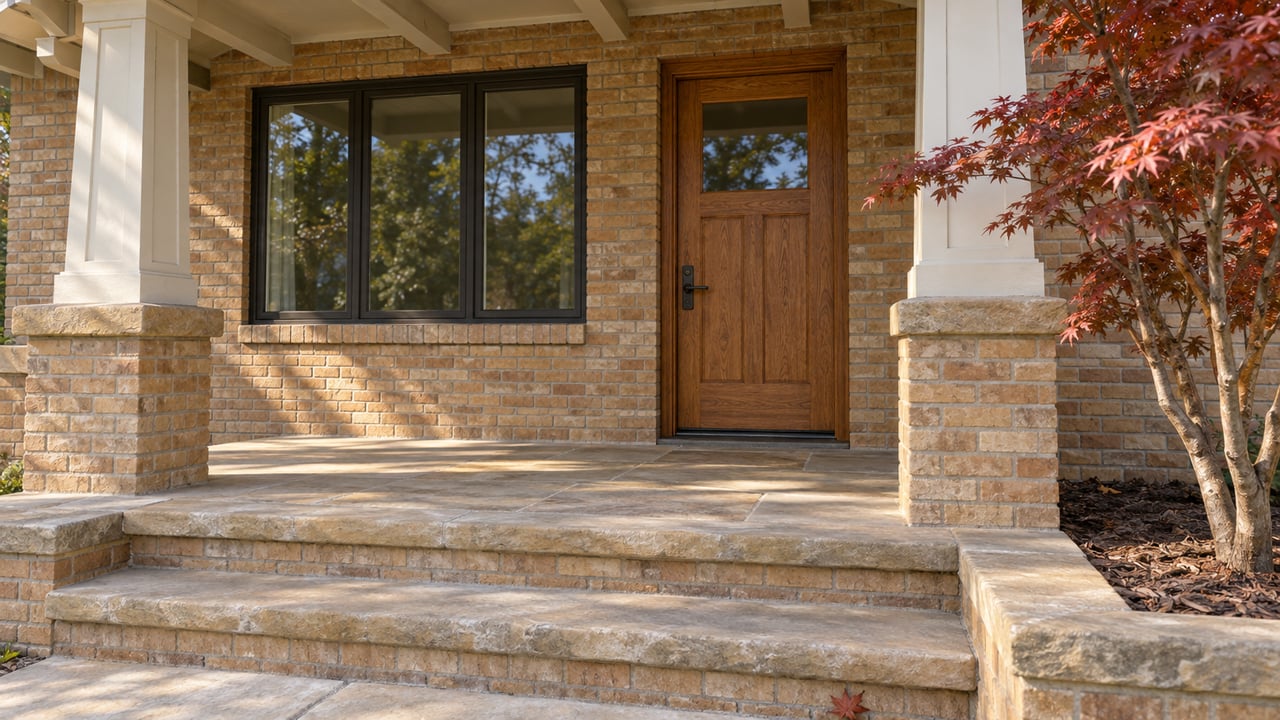
A classic bungalow near Washington Park offers a very different kind of appeal. The National Park Service describes the Craftsman bungalow as typically one to two stories with broad, gently pitched gables, often paired with a front porch and interiors that traditionally used open plans and stained woodwork. These homes can feel warm, detailed, and rooted in the neighborhood’s original era.
That timing lines up with Washington Park’s growth. The Denver Public Library notes that the area was building out in the early 1900s, which makes a bungalow feel native to the neighborhood rather than added later. If you want a home that reflects the area’s early development, a bungalow often delivers that sense of belonging.
Many buyers are drawn to the scale and personality of these homes. Front porches, period details, and the rhythm of older streets can create a strong emotional pull. If architecture and character matter to you, a classic bungalow may feel hard to replicate in a newer property.
Older homes often need more attention
That charm comes with tradeoffs. The Department of Energy says many older homes have less insulation than homes built today. The Consumer Financial Protection Bureau also advises buyers to inspect carefully for serious flaws or worn components before closing.
In practice, that means you may need to budget for updates over time. Systems, windows, roofing, or insulation may not perform like those in a newer home. If you love the character, it helps to be realistic about the maintenance that can come with it.
Historic preservation guidance also notes that common changes to older homes include enclosed front porches, altered siding, changed window types, and additions. Those changes can affect the character that made the bungalow attractive in the first place. If authenticity matters to you, it is worth looking closely at what has been changed and what remains intact.
Renovation may involve extra review
If a bungalow is a local landmark or located in a historic district, exterior work and demolition may be subject to Denver Landmark Preservation review. The city says that designated properties and historic districts go through a review process for exterior changes, and new construction in those areas includes pre-application and formal design review.
For buyers, the key point is flexibility. Renovation is still possible, but it may take more planning, more patience, and a clearer understanding of what can be changed. If your dream is to personalize an older home, this is worth factoring into your timeline and budget.
ADU potential can shift the equation
One of the most interesting long-term factors in Denver is ADU flexibility. Denver now allows accessory dwelling units in all residential areas. The city describes ADUs as self-contained spaces that can be built as a free-standing backyard structure, above a garage, as an addition, or as a converted interior space.
That matters for both new builds and older properties, but it can be especially meaningful for some bungalow lots. Denver also notes that historic carriage homes still exist in older neighborhoods, including West Washington Park. Depending on the site and code requirements, that can create future options for added utility, multigenerational use, or resale appeal.
Of course, not every property will support the same outcome. ADUs still need to meet zoning and code rules, and the city says they must be compatible with the main house and the neighborhood. Still, if you are thinking beyond your immediate needs, this is a valuable point to compare when touring homes.
Which home fits your lifestyle best?
The better choice near Washington Park is usually not about which home type is objectively superior. It is about which tradeoff feels better for your life. Washington Park supports both paths because it offers historic character, strong neighborhood identity, and room for thoughtful infill and long-term adaptation.
A new build may be the better fit if you want:
- More modern systems and construction
- Higher energy performance from the start
- Less immediate maintenance pressure
- A layout designed around current living patterns
A classic bungalow may be the better fit if you want:
- Early-20th-century architectural character
- A home that feels tied to Washington Park’s original growth period
- Porch presence, period detail, and a more established feel
- Long-term renovation or ADU potential, depending on the property
For many buyers, the final decision comes down to your tolerance for upkeep and your time horizon. If you want ease now, new construction often wins. If you want character and are comfortable planning improvements over time, a bungalow may offer the more rewarding path.
How to compare homes near Washington Park
When you are touring homes in this area, it helps to compare the same few variables every time. That keeps the decision grounded in facts instead of emotion alone. In a neighborhood as compelling as Washington Park, both home styles can be tempting for different reasons.
Focus on these questions:
- How close is the home to the park and South Gaylord Street?
- Is the property new infill or an older bungalow with historic character?
- Is the parcel subject to landmark or historic-district review?
- Do you want a lower-maintenance starting point or a home with renovation potential?
- Could ADU flexibility matter to your long-term plans?
If you answer those questions honestly, the right option often becomes clearer. The goal is not to choose the trendier home. It is to choose the one that fits how you want to live in Washington Park.
Whether you are drawn to clean lines and modern efficiency or porch-front charm and original detail, a neighborhood-specific strategy makes all the difference. The Linkow Baltimore Team brings design awareness, local Washington Park insight, and hands-on guidance to help you compare homes with confidence.
FAQs
What is the main difference between a new build and a bungalow near Washington Park?
- A new build usually offers newer systems, stronger energy performance, and less immediate maintenance, while a bungalow typically offers more architectural character and a closer connection to Washington Park’s early-20th-century history.
Do new homes near Washington Park still need inspections?
- Yes. The Consumer Financial Protection Bureau recommends an independent inspection as early as possible, even for new construction, so you can identify major issues and address them within your contract timeline.
Are bungalows near Washington Park harder to renovate?
- Some can be, especially if the property is a designated landmark or located in a historic district, because Denver may require exterior work to go through Landmark Preservation review.
Can a Washington Park property include an ADU?
- Denver allows ADUs in all residential areas, but each property still has to meet zoning and code requirements, and the ADU must be compatible with the main house and surrounding neighborhood.
Is a classic bungalow or a new build better for resale near Washington Park?
- Resale often depends on buyer preference. Some buyers prioritize turnkey efficiency and modern layouts, while others are drawn to period detail, porch scale, and the established feel of an older home.
How should you choose between two home styles in Washington Park?
- Start with your lifestyle, maintenance tolerance, and long-term plans. Then compare location, historic review limits, condition, and future flexibility so your decision matches how you want to live.