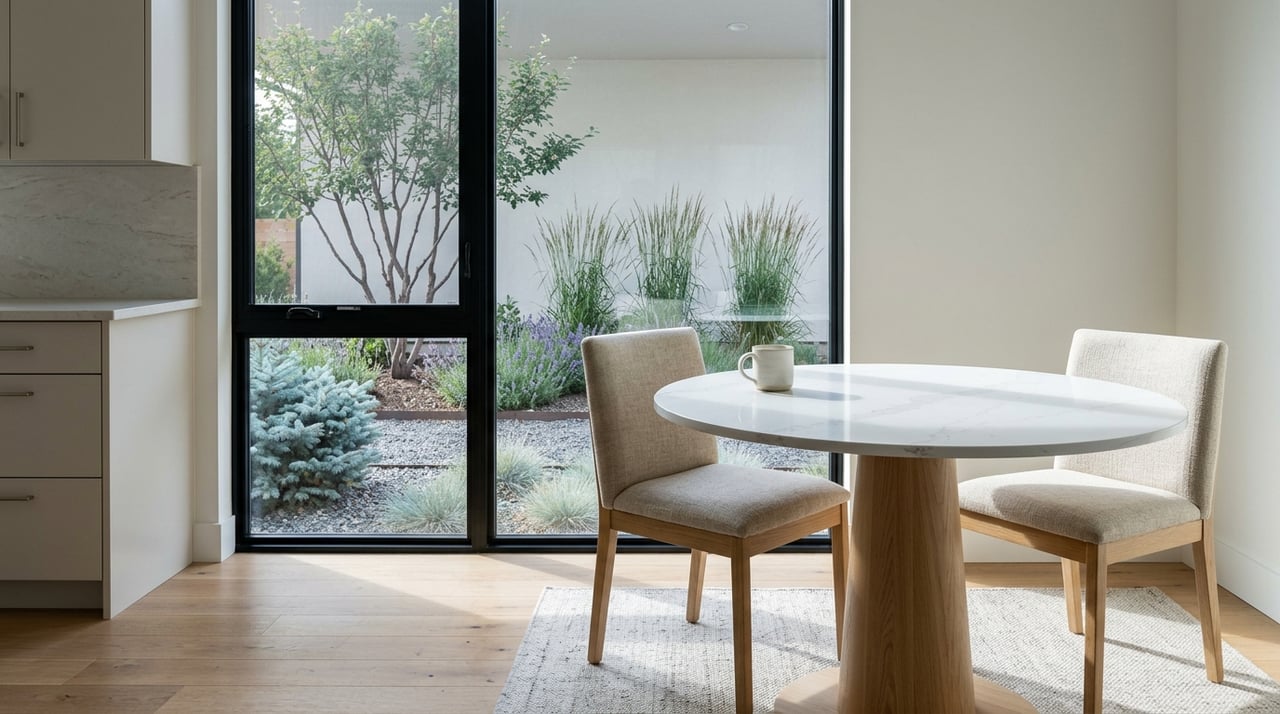
What does everyday life in Hilltop actually feel like once the moving boxes are gone? If you are drawn to established Denver neighborhoods, you are probably looking for more than a map pin. You want to know how the days flow, where people spend time, and what gives a place its character. Hilltop stands out for exactly that reason, blending residential calm, strong neighborhood identity, nearby conveniences, and a design story that runs deeper than first impressions. Let’s dive in.
Hilltop feels established and residential
Hilltop is generally defined by Colorado Boulevard to the west, Alameda Avenue to the south, Holly Street to the east, and 8th Avenue to the north. That clear footprint helps the neighborhood feel distinct within east-central Denver, rather than loosely defined.
Its identity is also rooted in history. The Hilltop Neighborhood Association traces the area’s early growth to the City Lateral Canal and nearby streetcar lines, and notes that Hilltop was annexed to Denver in 1893. Today, that history still shows up in the neighborhood’s established layout and long-standing residential feel.
For everyday living, that means Hilltop tends to feel more like a place where you settle in than a district built around constant commercial activity. The pace is shaped by homes, parks, routines, and nearby destination spots rather than block after block of storefronts.
Daily routines start close to home
One of the easiest ways to understand Hilltop is to picture a normal weekday. You may start the morning in the neighborhood, head out for errands nearby, and come back home to quieter streets and green space by the end of the day.
High Point Creamery on Holly Street is one of the clearest examples of a local stop woven into neighborhood life. It gives Hilltop a true close-to-home amenity that feels part of the area rather than just adjacent to it.
At the same time, Hilltop’s routine is closely connected to nearby districts. Daily errands, casual lunches, coffee meetups, and evening plans often extend beyond the neighborhood’s residential core.
Nearby amenities add flexibility
Just west of Hilltop, 9+Co at 9th and Colorado functions as a practical hub for everyday convenience. The mix includes dining and drink options such as Toastique, Le French, Frank & Roze, Postino, CAVA, and Gelato Boy, along with services like CVS, vet care, bike service, and an AMC theater.
That matters because many neighborhoods offer atmosphere, but not all offer easy access to useful errands and social options nearby. In Hilltop, you get a residential setting with practical support just minutes away.
Cherry Creek North adds another layer. With 175-plus small businesses and more than 50 restaurants and bars across a 16-block district, it serves as a natural extension for shopping, dining, wellness, and weekend plans.
For many buyers, that balance is a major selling point. Hilltop does not need to contain every amenity within its own borders to feel convenient. Instead, it benefits from being close to several established destinations while keeping a more residential day-to-day rhythm.
Parks shape the neighborhood experience
Outdoor space is one of the biggest parts of everyday living in Hilltop. The neighborhood’s key park anchors include Cranmer Park, Robinson Park, Burns Park, and the 6th Avenue Parkway.
Cranmer Park is especially notable. According to the neighborhood association, it sits off Colorado Boulevard between East 1st and East 3rd Avenue and is known for its sundial, mountain views, and skyline views. The park was restored and reopened in 2020, reinforcing its role as one of Hilltop’s signature public spaces.
The 6th Avenue Parkway also helps define how the neighborhood moves and feels. The association describes it as a scenic historic corridor running through Hilltop for about two miles, designed to support pedestrians, cyclists, and motorists.
Robinson Park and Burns Park add more local-scale recreation and character. Together, these spaces make Hilltop feel less like a purely residential grid and more like a neighborhood shaped by visible, usable outdoor landmarks.
Getting around is easy, but selective
Hilltop is not a dense, walk-everywhere district, and that is helpful to know upfront. Its Walk Score is 54, Transit Score is 40, and Bike Score is 68, with about 39 restaurants, bars, and coffee shops in the neighborhood.
In practical terms, that suggests a lifestyle built around a mix of walking, biking, and short drives rather than doing everything on foot. Some pockets are more convenient than others, especially near the neighborhood edges and nearby retail clusters.
For many residents, that creates a comfortable middle ground. You can enjoy quieter residential blocks and still access dining, errands, and entertainment without feeling isolated.
Mobility is also part of the neighborhood conversation right now. The Colorado Boulevard BRT proposal would create a higher-frequency bus corridor with dedicated lanes and improved sidewalks and crossings along Colorado Boulevard, which could influence how residents think about access and traffic along one of Hilltop’s main edges.
Architecture gives Hilltop depth
Hilltop’s appeal is not only about location. It is also about the built environment and the sense that architecture matters here.
Denver’s conservation-overlay guidance explains that these overlays are meant to preserve or revitalize areas with distinctive identity and can apply to new construction, additions, and exterior remodels. Denver’s zoning code lists the Hilltop Heritage Conservation Overlay District as CO-1, showing that neighborhood character is actively considered as the area evolves.
That is important if you are drawn to places with visual continuity and a stronger sense of stewardship. In Hilltop, the neighborhood’s look is not accidental. There is a framework in place that supports the preservation of its identity.
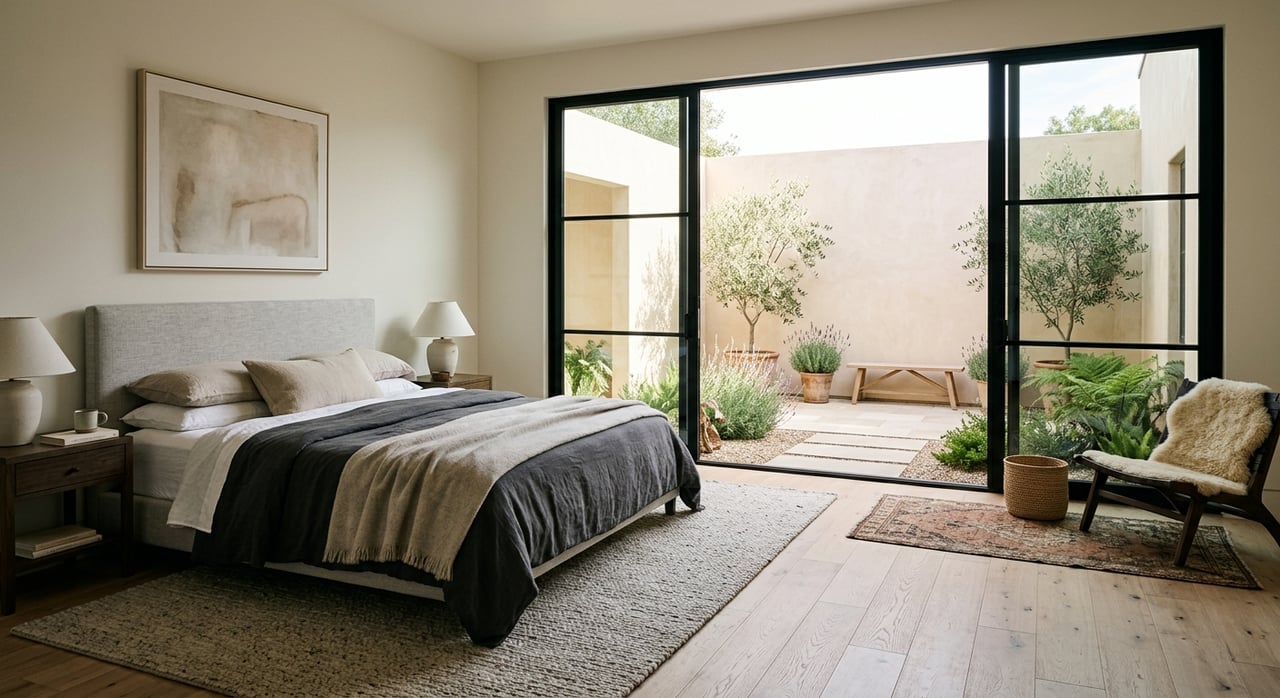
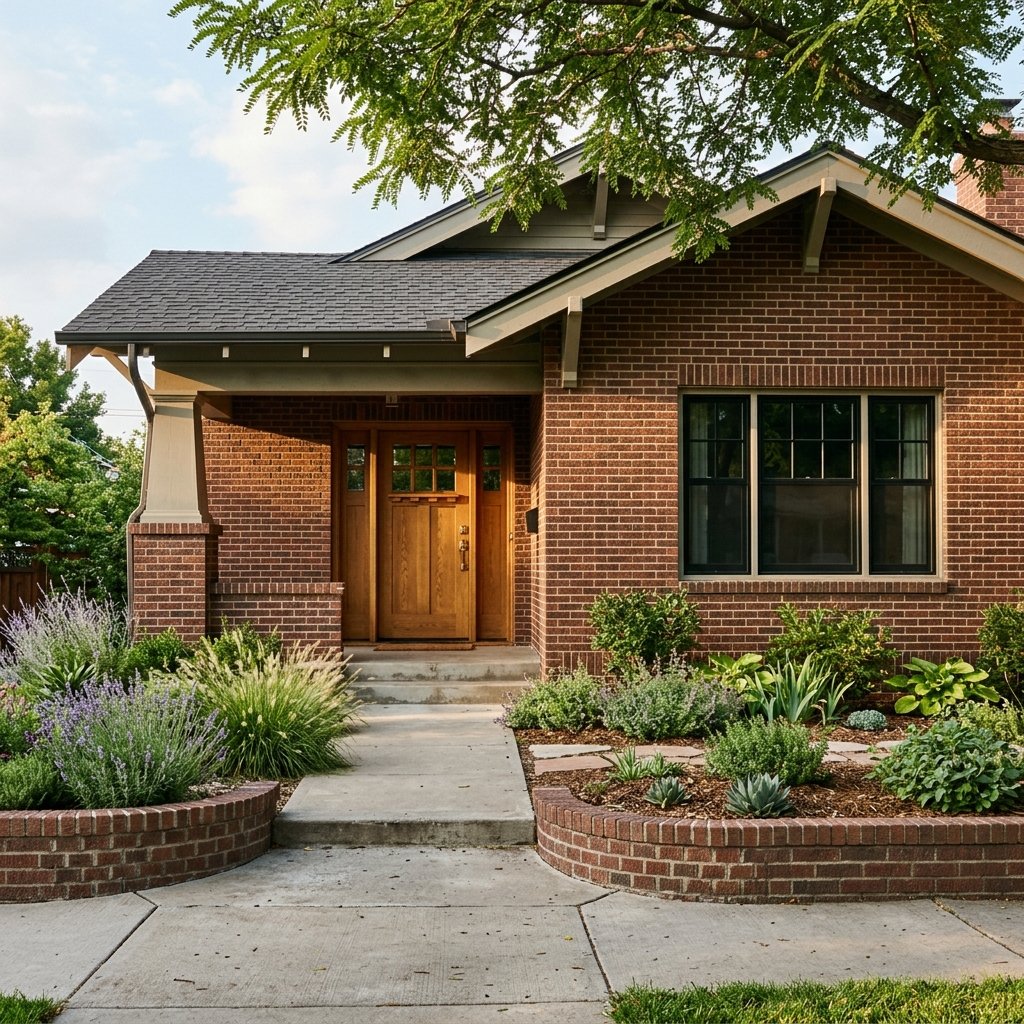
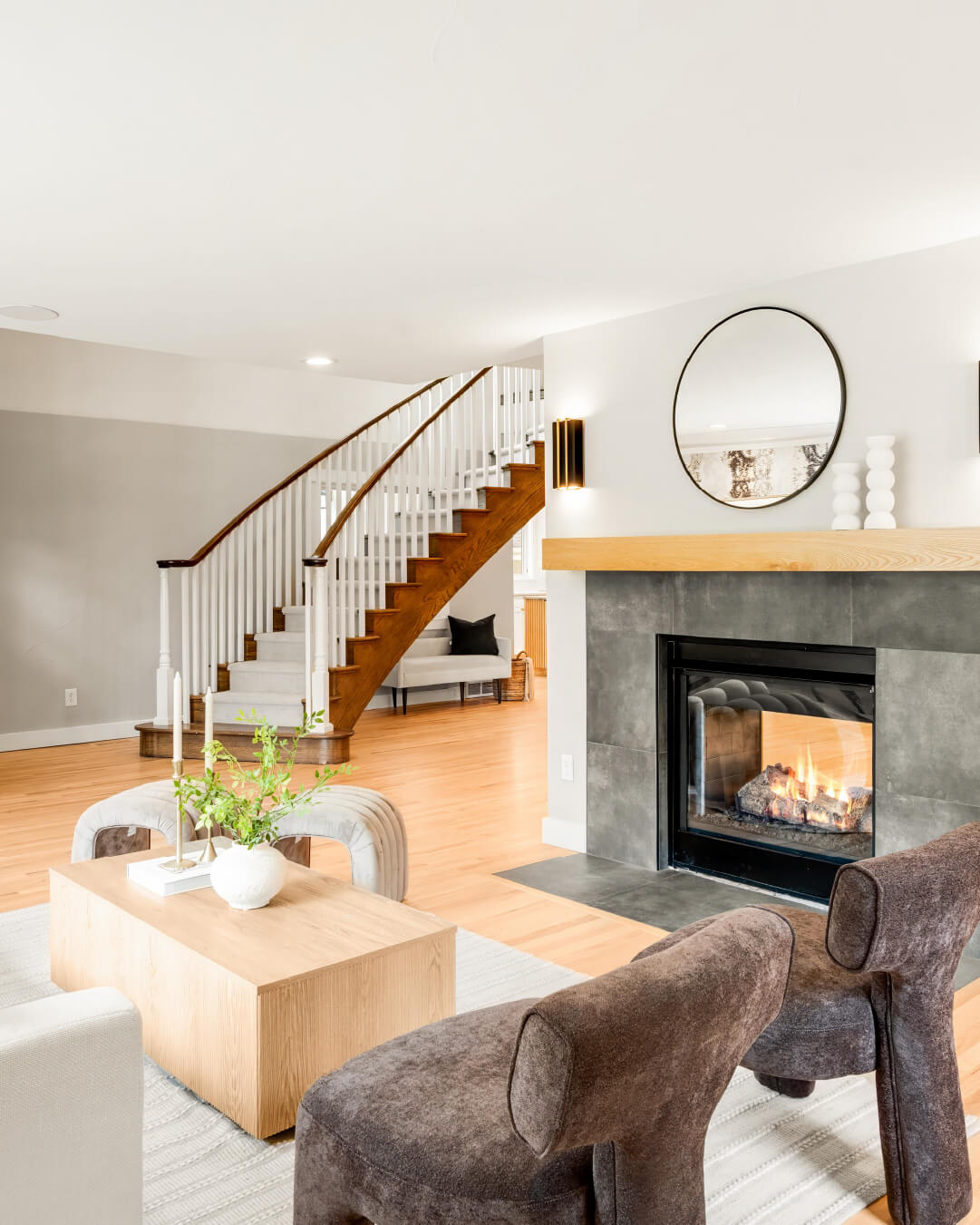
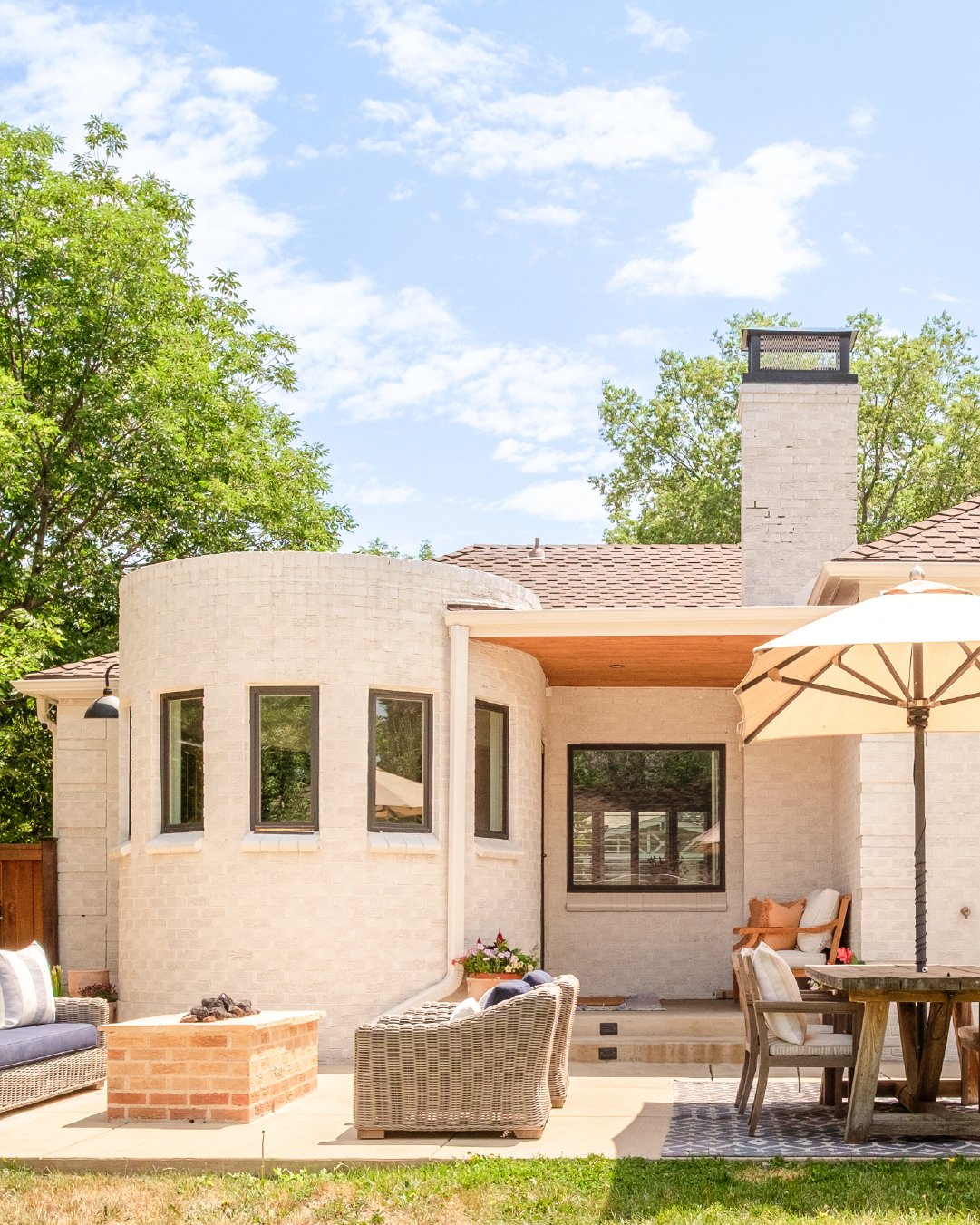
The architecture itself appears layered rather than uniform. Denver Public Library notes that architect Victor Hornbein designed many homes in Hilltop and Montclair, and more recent home profiles show both midcentury modern and contemporary homes in the neighborhood.
For buyers and sellers, that variety can be a major part of Hilltop’s appeal. Older character homes, midcentury properties, and newer custom infill all contribute to a neighborhood story that feels rich rather than repetitive.
Community life is active and organized
Some neighborhoods feel connected because they are busy. Hilltop feels connected because people stay engaged.
The Hilltop Neighborhood Association describes itself as a volunteer organization focused on zoning, traffic, crime and safety, schools, parks, and community activities. Its site also features newsletters and community updates on topics like bus rapid transit, sidewalks, farmers markets, and utility projects, which points to an active civic culture.
That type of involvement can shape daily life in subtle but important ways. It often means residents are paying attention to what changes, what gets preserved, and how public spaces function over time.
The association says it has been around for more than 70 years and represents over 2,200 households. It also organizes three major annual events, including a family-friendly Halloween Festival at Robinson Park.
That combination of long-running organization and recurring events helps explain why Hilltop often feels socially cohesive even though it is primarily residential. You are not just buying into a location. You are stepping into a neighborhood with an established rhythm and visible local participation.
Weekday life has its own cadence
Hilltop’s daily feel is also shaped by institutions that bring regular activity to the neighborhood. Graland Country Day School is located at 55 Clermont Street in Hilltop, near Colorado Boulevard and Alameda Avenue.
Even if a school is not part of your own routine, its presence can influence how the neighborhood feels during the week. School-day traffic patterns, drop-off activity, and a more structured weekday tempo all become part of the area’s rhythm.
That is one reason Hilltop often feels lived-in rather than purely scenic. The neighborhood has beauty and architectural interest, but it also has the real-world structure that comes from people moving through it every day.
Why Hilltop stands out in Denver
Hilltop offers a combination that can be hard to find. It feels established and residential, yet still connected to useful amenities and some of Denver’s best-known retail and dining districts.
Its parks and parkways add breathing room. Its architecture creates texture and identity. Its organized community presence gives the neighborhood a sense of stewardship that many buyers value when they are thinking long term.
If you are considering a move here, the lifestyle is less about nonstop urban energy and more about balance. You get a neighborhood with history, outdoor anchors, nearby conveniences, and a strong sense of place.
For buyers, sellers, and homeowners who care about both daily function and neighborhood character, Hilltop continues to stand out for good reason. If you are thinking about buying or selling in Hilltop, the Linkow Baltimore Team can help you navigate the neighborhood with local insight and a design-aware approach.
FAQs
What is Hilltop known for in Denver?
- Hilltop is known for its established residential feel, notable parks like Cranmer Park, architectural variety, and close access to areas like 9+Co and Cherry Creek North.
What parks are in Denver’s Hilltop neighborhood?
- Hilltop’s key outdoor spaces include Cranmer Park, Robinson Park, Burns Park, and the 6th Avenue Parkway.
Is Hilltop a walkable Denver neighborhood?
- Hilltop has a Walk Score of 54, which suggests some errands can be done on foot, but most daily life is shaped by a mix of walking, biking, and short drives.
What is everyday life like in Hilltop, Denver?
- Everyday life in Hilltop is shaped by residential streets, park access, nearby errands and dining, school-day activity, and a strong neighborhood identity.
What kinds of homes are in Hilltop?
- Hilltop appears to include a mix of older character homes, midcentury properties, and newer custom infill, giving the neighborhood architectural variety.
Why do buyers look at Hilltop homes?
- Buyers are often drawn to Hilltop for its combination of neighborhood character, outdoor space, nearby conveniences, and a residential setting with a strong sense of place.