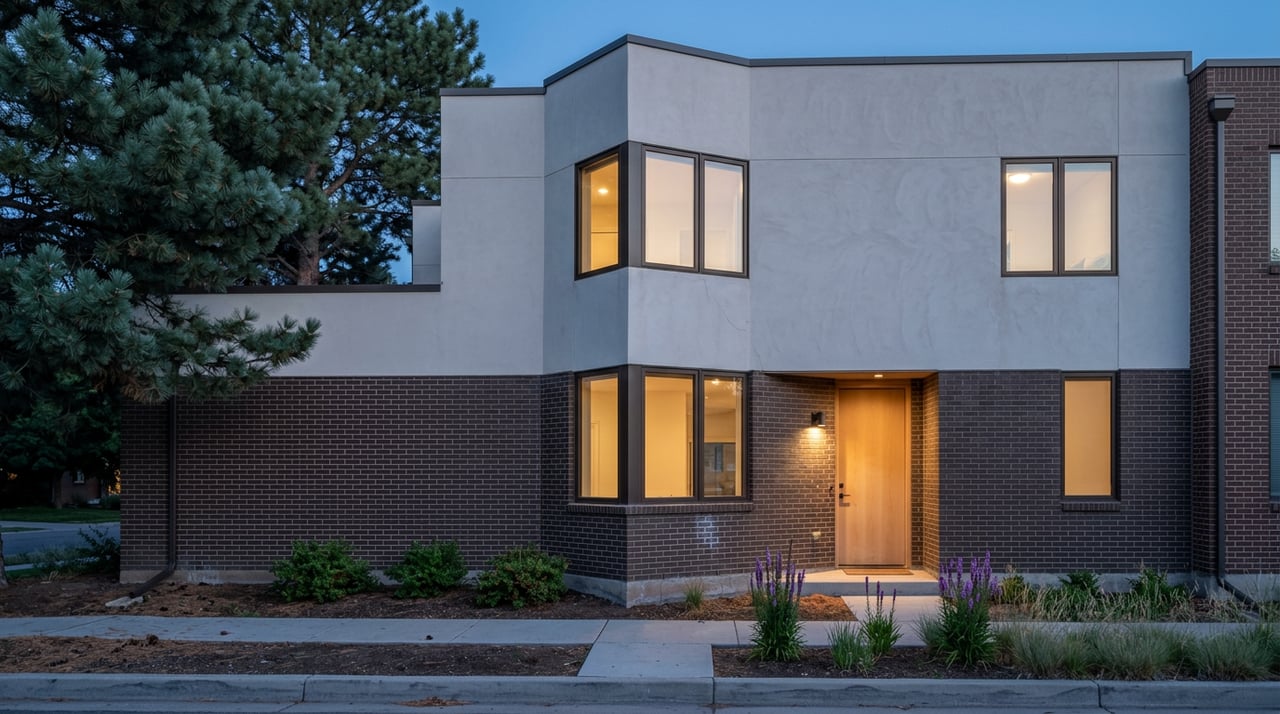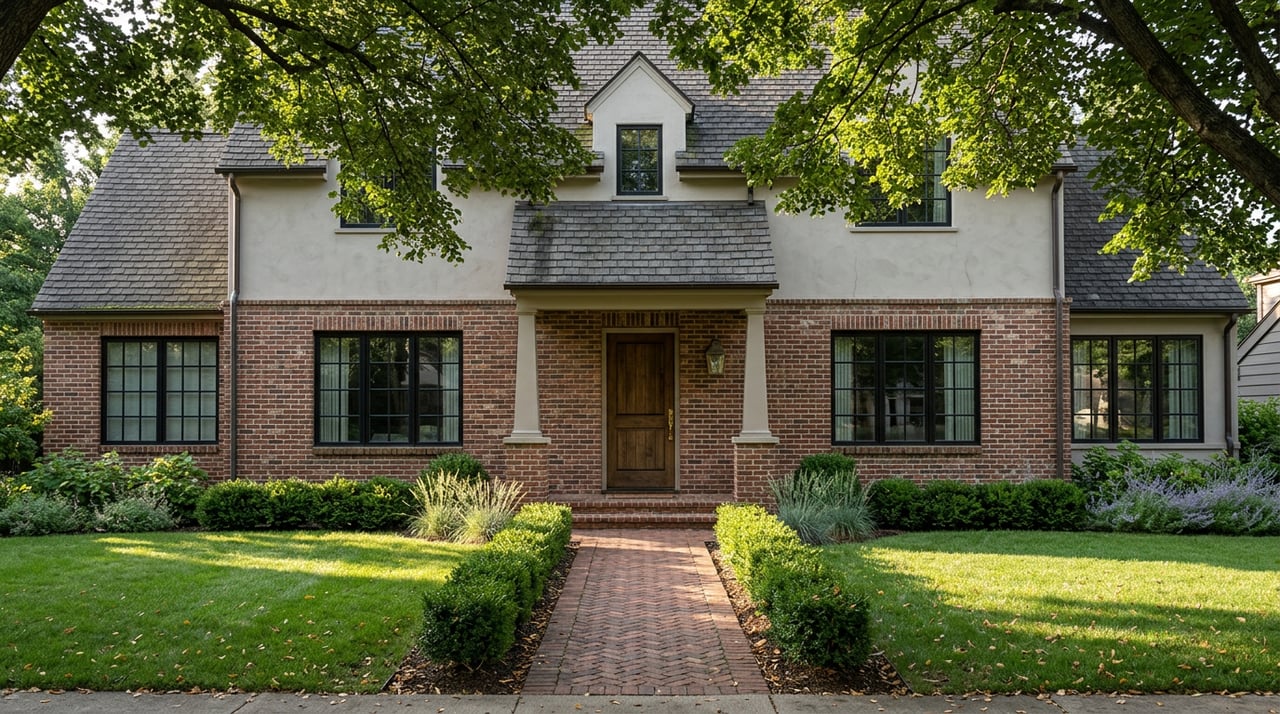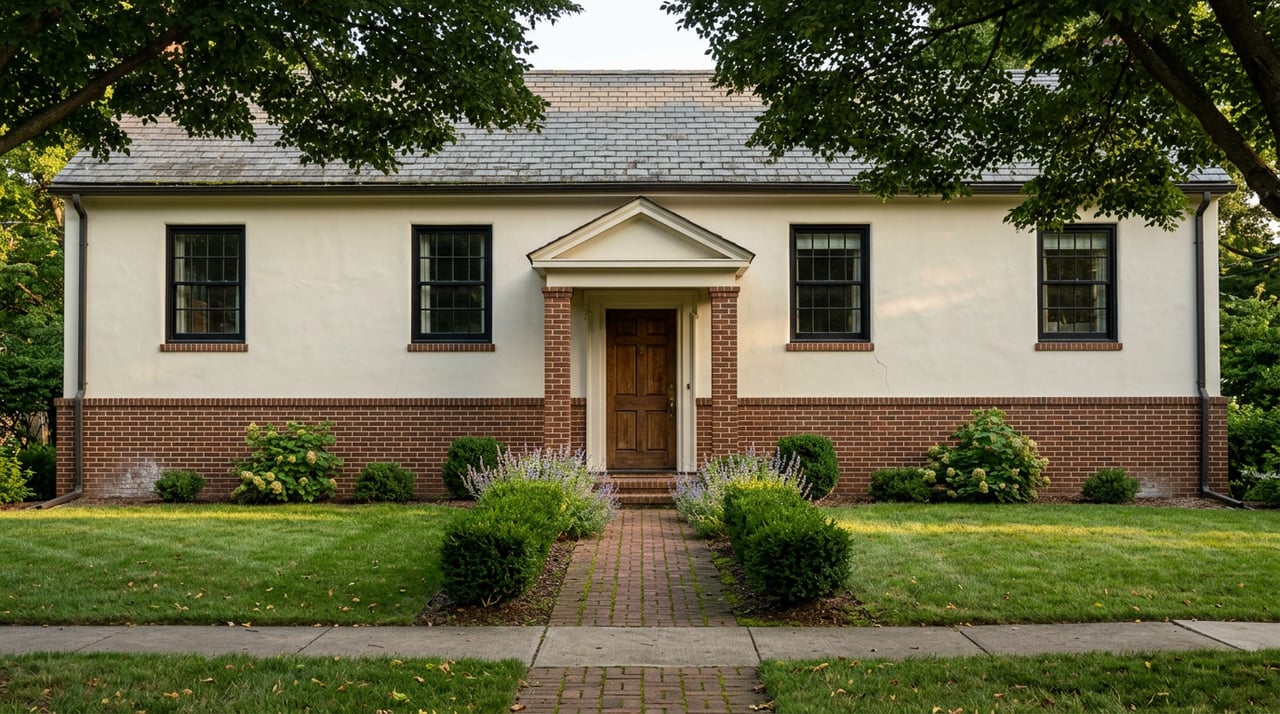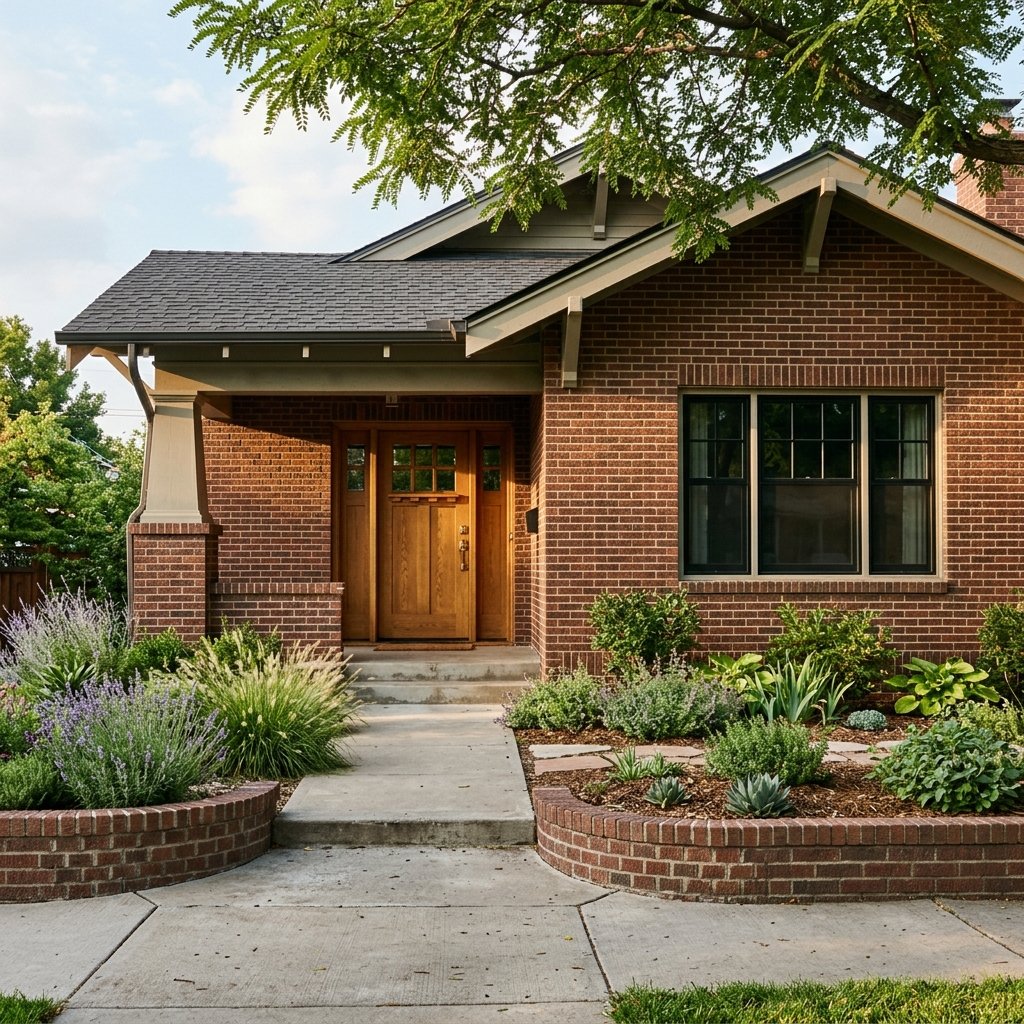
Looking for a classic bungalow in Congress Park? You are not alone. Buyers are often drawn to these homes for their original character, inviting porches, and easy connection to one of Denver’s most established central neighborhoods. If you want to compete without losing your footing, it helps to understand what makes these homes scarce, what the current market is really doing, and where smart offer strategy matters most. Let’s dive in.
Why Congress Park bungalows stand out
Congress Park developed largely between 1890 and 1924 as a streetcar suburb, and that history still shapes what you see today. The neighborhood is bounded by York Street, Colfax Avenue, Colorado Boulevard, and Sixth Avenue, with a built environment that reflects several architectural eras.
That matters because a classic bungalow is only one part of the area’s housing mix. Local history shows the neighborhood evolved from Queen Anne and Victorian homes to Craftsman Denver Squares and then into the 1920s bungalow period, so the most appealing bungalow listings tend to feel like a specific and limited slice of the market rather than the norm.
In practical terms, buyers are often chasing a combination that is hard to replicate. A bungalow with intact character, a good location, and updates that support modern living can attract stronger attention than a larger home that feels less cohesive.
What buyers are competing for
Classic Craftsman bungalows are generally known for broad gables, wide eaves, porch-focused fronts, and interior details like stained woodwork and more open layouts for their time. In Congress Park, that architectural identity is often part of the emotional pull.
But charm alone does not explain the competition. In this neighborhood, buyers also tend to focus on three things at once:
- Original character that still reads clearly
- Functional updates for everyday living
- Condition that reduces near-term repair costs
That third point matters more in today’s market than many buyers expect. Metro market data shows condition has become a key differentiator, and buyers are especially responsive to updated finishes and newer, well-maintained mechanical systems.
What the 2026 market says now
Congress Park remains competitive, but it is not a one-speed market. Over the three months ending May 2026, Redfin reported a median sale price of $910,444, a median price per square foot of $467, median days on market of 14, and a sale-to-list ratio of 98.8%.
Those numbers tell an important story. The neighborhood is still active and fast enough that you need to be ready before a strong listing appears, but buyers are not forced to treat every home like an auction.
There is also evidence of a split market. Redfin reports that 28.5% of homes sold above list price, while 40.8% had price drops. It also notes that many homes receive multiple offers, average homes sell about 1% below list price and go pending in around 6 days, and hot homes can sell about 1% above list price and go pending in around 4 days.
That means the best homes can still move quickly, especially if they show well and feel turnkey. At the same time, homes that are overpriced, less updated, or more complex may create room for negotiation.
Why preparation matters before touring
If you wait to get organized until after you find the right bungalow, you may already be behind. Detached homes in the roughly $300,000 to $999,999 range have been moving with less than three months of inventory across the metro, and Congress Park’s median price sits close to that band.
The first 14 days matter most, according to DMAR, and that matches what many buyers feel on the ground. When a well-presented Congress Park bungalow hits the market, you want to be in a position to act with confidence instead of scrambling.
A strong prep phase usually includes:
- Full preapproval before home shopping intensifies
- A clear budget ceiling based on total monthly cost
- Agreement on your must-haves versus nice-to-haves
- A plan for how much updating you are willing to take on
- Quick decision-making around showing availability
This kind of preparation does not mean rushing. It means you can move quickly when the right home deserves it.
How to write a stronger offer
In Congress Park, price is important, but it is not the only lever. Because the sale-to-list ratio is close to 99% and multiple offers are common, buyers often need to compete on certainty as much as dollars.
That can include cleaner terms, a flexible closing timeline, and a thoughtful plan around earnest money, appraisal, and inspection. The exact right mix depends on the house, its condition, and how the listing is positioned.
Lead with certainty
If a seller is comparing similar offers, certainty can stand out. A fully preapproved buyer who can communicate a clean path to closing may look stronger than a buyer stretching financially just to post a higher number.
This is especially relevant in a market where average homes can go pending in about a week. Sellers often value confidence and clarity when timing is tight.
Match terms to the home
Not every bungalow deserves the same strategy. A beautifully updated home with preserved character and strong presentation may justify sharper terms because demand is likely to be stronger.
A home with deferred maintenance, older systems, or a less polished presentation may call for more caution. Since a meaningful share of neighborhood listings have seen price reductions, disciplined buyers can stay competitive without overcommitting on every property.
Think beyond list price
List price is only one part of the equation. In an older home, mechanical systems, roof condition, and the scope of future work can have a major impact on your true ownership cost.
That is why it helps to weigh value through a broader lens:
- How updated are the major systems?
- Will the home need near-term exterior work?
- Are the finishes move-in ready for your lifestyle?
- Does the layout function well today, or will you want changes soon?
Sometimes the better buy is the home with a stronger systems profile, even if it is less visually polished on day one.
Use inspection strategically
In a competitive market, some buyers feel pressure to waive inspection reflexively. For a classic bungalow in Congress Park, that is not always the wisest move.
These are older homes, and older homes can carry hidden costs. At the same time, market data suggests not every listing requires maximum aggression, especially when a significant share of homes are seeing price drops.
A more strategic approach is to tailor your inspection plan to the property. For a highly sought-after, well-updated bungalow, you may decide to streamline how you handle inspection terms. For a home with visible age, deferred maintenance, or unclear system updates, preserving room for due diligence may protect you from expensive surprises.
The goal is not to be reckless or timid. It is to be intentional.
Historic district rules can affect your plans
If you are buying in or near the 7th Avenue Historic District, future renovation plans deserve extra attention. Denver’s historic-district inventory lists the East Seventh Avenue Historic District as designated in 1993, with the Steele Street Extension added in 2021.
For properties inside a historic district or designated as landmarks, Denver’s Landmark Preservation process reviews proposed exterior alterations, additions, new construction, signs, and non-vegetative site work. The city also states that all roof permits and other quick permits involving exterior work on a building within a historic district or on an individual landmark must go through Landmark Preservation review.
For you, that means common future projects may require more planning than they would elsewhere. Roof replacement, siding work, exterior changes, and some garage-related projects can involve an added review layer.
Verify status early
Do not assume a home’s historic status based on appearance or address alone. Before you build renovation timelines into your buying decision, verify whether the property is inside a historic district or otherwise subject to landmark review.
That one step can help you avoid surprises after closing. It can also shape how you think about budget, project timing, and the kind of updates you hope to make.
Plan exterior work realistically
If you already know you want to change the exterior, rebuild a garage, or replace major exterior elements later, bring that into your buying analysis now. Denver states that garages in a historic district or on a designated landmark require a certificate of appropriateness, ideally before building and zoning permits are filed.
That does not make these homes less appealing. It simply means future work may require more coordination, more lead time, and clearer expectations from the start.
A smart mindset for winning
The biggest mistake buyers make in neighborhoods like Congress Park is assuming they must either overpay or miss out. The current market data suggests a more balanced reality.
Yes, strong bungalow listings can move quickly and attract multiple offers. But there is also evidence of price reductions and a broader metro market where buyers hold a slight edge, especially when condition and presentation are not top tier.
That creates an opening for a more thoughtful strategy. You can be decisive without being impulsive, competitive without becoming careless, and flexible without losing sight of long-term value.
In many cases, buyers win not because they offered the most, but because they understood the house, matched the right terms to the situation, and moved with confidence when the fit was real.
If you are planning a move in Congress Park or the 7th Avenue area, working with a team that understands both the market rhythm and the renovation questions behind these homes can make the process feel much more manageable. When you are ready to compete with a clear plan, connect with the Linkow Baltimore Team.
FAQs
How competitive is the Congress Park housing market in 2026?
- Congress Park is still considered very competitive, with median days on market around 14, a sale-to-list ratio of 98.8%, and many homes receiving multiple offers.
What makes a classic bungalow in Congress Park hard to find?
- Congress Park includes several architectural eras, so 1920s bungalows represent a narrower portion of the housing stock rather than the entire neighborhood market.
Should you waive inspection on a Congress Park bungalow?
- Not automatically. A strategic inspection approach is usually better because bungalow condition can vary widely, and older homes may carry meaningful repair risks.
Why do updated systems matter in a Congress Park bungalow purchase?
- Current metro market trends show buyers are placing strong value on updated finishes and newer, well-maintained mechanical systems, which can affect both competition and long-term ownership cost.
What should you know about the 7th Avenue Historic District before buying?
- If a property is in a historic district, Denver may review exterior work such as roof projects, alterations, additions, and some garage work, so it is important to verify historic status early.
Can you still negotiate in Congress Park if the market is competitive?
- Yes. While strong homes can move fast, neighborhood data also shows many listings have price drops, which means some properties offer room for negotiation depending on condition and pricing.