If you are torn between Country Club and Cherry Creek, you are really choosing between two very different ways to live in central Denver. One offers historic homes, broad setbacks, and a quieter residential feel. The other puts shops, dining, and daily conveniences within a short walk. This guide will help you compare the two so you can choose the address that fits your routine, design preferences, and long-term goals. Let’s dive in.
Country Club vs. Cherry Creek
At a high level, Country Club and Cherry Creek serve different priorities.
Country Club is a historic residential enclave developed in the early 1900s around the Denver Country Club. The neighborhood association describes it as roughly bounded by Downing, University, 1st, and 4th/6th Avenues, and Denver recognizes it as the Country Club Historic District with a period of significance from 1902 to 1945.
Cherry Creek is better known as one of Denver’s major shopping and dining destinations. Visit Denver describes the broader area as a hub that combines Cherry Creek North and Cherry Creek Shopping Center, with more than 300 stores, 75 cafes and restaurants, 50 spas and salons, and five hotels.
That means your decision is usually less about which area is “better” and more about what you want your daily life to look like. If you picture leafy streets and architectural continuity, Country Club may pull you in. If you want a compact, amenity-rich district with an urban pace, Cherry Creek may feel like the stronger fit.
Why Buyers Choose Country Club
Country Club is defined by residential character first. Its design guidelines emphasize broad front and side setbacks, mature landscaping, tree lawns, and a park-like sense of space.
That physical layout changes how the neighborhood feels day to day. Homes sit with more breathing room, and the streetscape feels shaped over time rather than built for intensity. For many buyers, that sense of privacy and calm is a major part of the appeal.
Historic homes and architecture
The housing stock in Country Club reflects early-20th-century Denver architecture. Design guidelines highlight Denver Squares and other eclectic revival styles, with Colonial and Mediterranean influences appearing often.
Many homes are one-and-a-half to two stories with brick or stucco exteriors, steeply pitched roofs, and detailed windows and entries. Bungalows are present too, though they are not the dominant style in the district.
For design-conscious buyers, this can be a major draw. The house itself is not just a place to live. It is often part of a broader architectural story that extends across the block.
Space and streetscape
Country Club’s guidelines note that historic lot coverage was generally about 18 to 30 percent, with floor-area ratios around .20 to .40. Typical front setbacks range from 20 to 30 feet or more, and side yards are often wider than what you would expect on a standard city grid.
In practical terms, that usually translates to larger yards, more landscaping, and a more open visual rhythm along the street. If you care about curb appeal, outdoor space, and a sense of separation between homes, that matters.
Preservation and review
Country Club is a landmark district, and that comes with a specific process. Exterior alterations that require permits are reviewed through Denver’s landmark preservation system, and demolition of historic-district properties is also subject to review.
Some buyers see that oversight as a benefit because it helps protect neighborhood character. Others see it as an important planning factor because visible changes may involve more time and review. If you are considering renovation or exterior updates, this is worth understanding early.
Why Buyers Choose Cherry Creek
Cherry Creek offers a very different lifestyle. It is built around walkability, convenience, and a dense mix of retail, dining, wellness, and hospitality.
Cherry Creek North’s official materials describe the district as home to 75-plus fashion and local boutiques, 50-plus restaurants and bars, 30-plus spas and fitness centers, five boutique hotels, and more than 175 small businesses. The broader area is one of Denver’s best-known destinations for shopping and dining.
Walkability and convenience
If your ideal day includes grabbing coffee, meeting friends, fitting in a workout, browsing boutiques, or heading to dinner without much planning, Cherry Creek stands out. The Cherry Creek North BID describes it as a compact, walkable urban district and cites a Walk Score of 95.
Denver’s design standards for the district also emphasize pedestrian focus, connectivity, vitality, and quality. That planning framework supports the neighborhood’s active street life and easy access to daily amenities.
Condos, apartments, and urban living
The housing mix in Cherry Creek is more urban than Country Club’s. Official residential listings in Cherry Creek North include condo and apartment buildings such as NorthCreek Residential, The Residences at Fillmore Plaza, Laurel Cherry Creek, Clayton Lane Cherry Creek, and the St Paul Collection.
District materials also note that residential mid-rises have been added alongside hotels and office buildings. If you prefer lower-maintenance living, a lock-and-leave setup, or a newer building format, Cherry Creek offers more of those options.
Design review with a different focus
Cherry Creek North has its own design review system, but it is not the same as historic landmark review in Country Club. Denver says the Cherry Creek North Design Advisory Board reviews projects under the Cherry Creek North/Cherry Creek West Urban Design Standards and Guidelines.
Those guidelines focus on site design, architecture, parking, plazas, open space, and streetscape. For buyers, that usually means the area’s built environment is shaped more by urban design and mixed-use priorities than by historic preservation rules.
How Daily Life Feels Different
One of the best ways to decide is to imagine an ordinary Tuesday, not just a Saturday afternoon.
In Country Club, the setting tends to support buyers who want mature landscaping, quieter blocks, architectural continuity, and a home-centered lifestyle. The neighborhood’s low lot coverage, broad setbacks, and preservation-oriented design language all reinforce that experience.
In Cherry Creek, daily life revolves more around access and activity. The district is designed for people who want errands, dining, fitness, galleries, and social plans close at hand and who are comfortable with a more active street environment and parking management.
Neither option is automatically better. The better fit depends on whether you want your home to feel like a retreat from the city or a front-row seat to it.
Questions to Ask Yourself
Before you choose an address, it helps to get specific about what matters most.
Choose Country Club if you want
- A historic home with distinctive early-20th-century character
- Larger yards and more generous setbacks
- A quieter residential block
- Mature landscaping and a park-like streetscape
- Strong architectural continuity across the neighborhood
- Preservation oversight that helps protect visible character
Choose Cherry Creek if you want
- A shorter daily radius for errands and social plans
- Walkable access to shopping and dining
- Condo or apartment living options
- A more active, mixed-use environment
- Pedestrian-focused streets and urban convenience
- A location where amenities are a central part of the lifestyle
Design-Minded Buyers: What Matters Most
For many buyers in these two neighborhoods, the decision comes down to design as much as location.
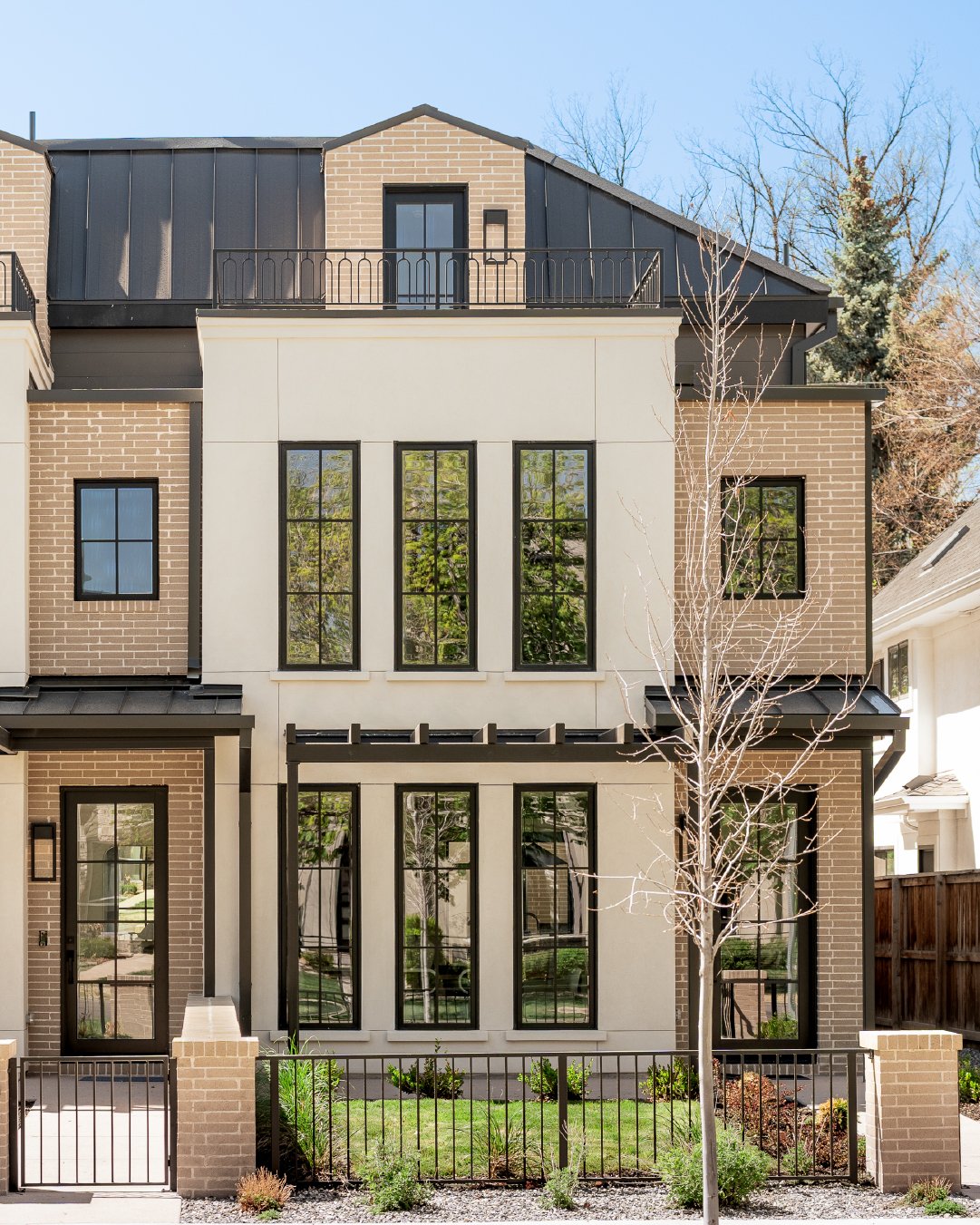
Country Club offers preserved residential character with homes and streetscapes shaped by historic patterns. If you are drawn to brick facades, established lots, classic proportions, and neighborhood continuity, Country Club often feels deeply rooted.
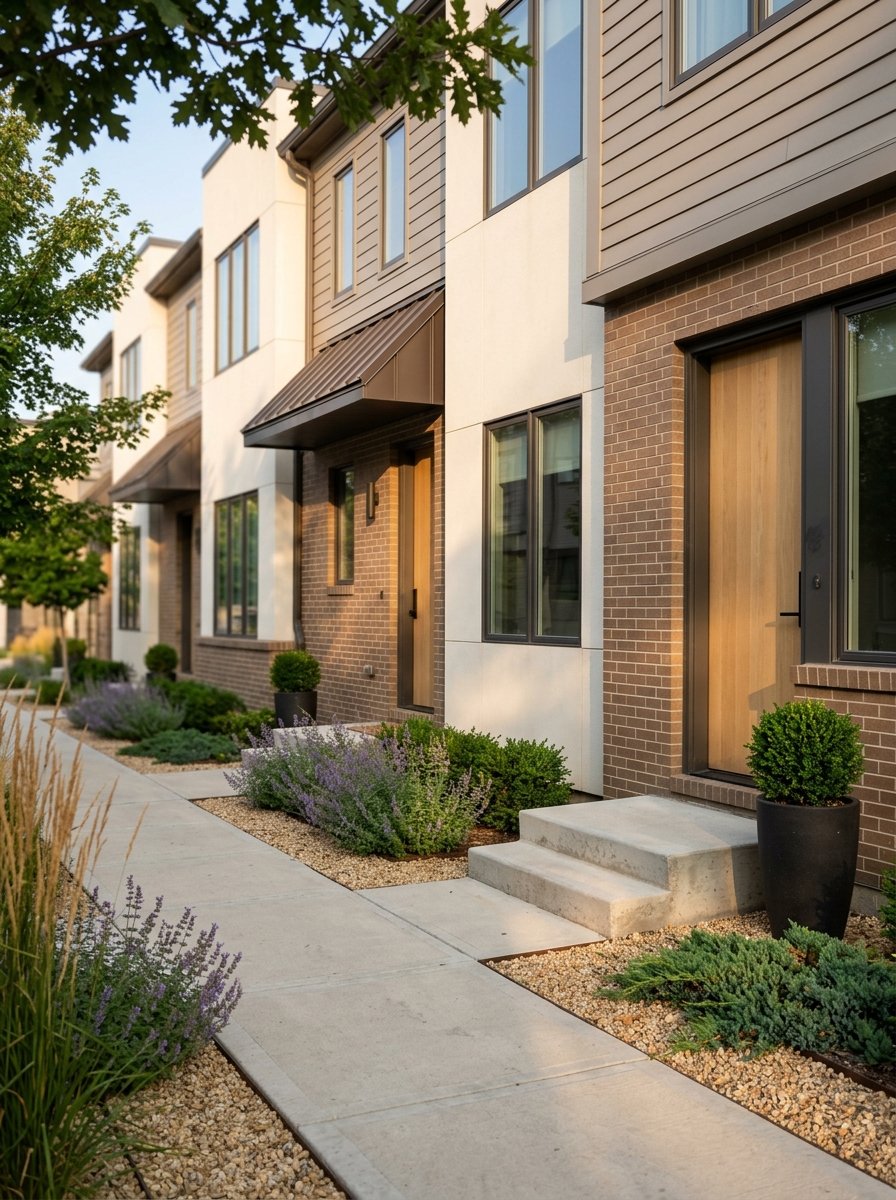
Cherry Creek leans toward urban polish. With mid-rise residential options, hospitality uses, and a strong commercial core, the aesthetic is denser and more contemporary in feel. If you want your surroundings to feel active, curated, and connected to shopping and dining, Cherry Creek may line up more closely with your style.
A Smart Way to Make the Decision
If you are serious about both neighborhoods, visit them with a purpose. Walk each area at different times of day and notice what your routine would actually feel like.
In Country Club, pay attention to block rhythm, setbacks, landscaping, and how much the architecture matters to you. In Cherry Creek, focus on how often you would use the nearby amenities and whether the urban pace feels energizing or overwhelming.
The right answer usually becomes clearer when you stop comparing reputations and start comparing lifestyles. Your best address is the one that supports how you want to live now, not just what sounds appealing in theory.
If you want help weighing historic character against urban convenience, the team at Linkow Baltimore Team can help you compare the feel, housing options, and tradeoffs of each neighborhood with a local, design-aware perspective.
FAQs
What is the main difference between Country Club and Cherry Creek in Denver?
- Country Club is a historic, mostly residential enclave with larger setbacks and a quieter streetscape, while Cherry Creek is a walkable mixed-use district known for shopping, dining, and urban convenience.
Is Country Club Denver a historic district?
- Yes. Denver recognizes Country Club as the Country Club Historic District, and exterior alterations that require permits are reviewed through the city’s landmark preservation system.
Is Cherry Creek Denver walkable for daily errands?
- Yes. Cherry Creek North describes itself as a compact, walkable urban district and cites a Walk Score of 95.
What types of homes are common in Country Club Denver?
- Country Club is known for early-20th-century homes, including Denver Squares and other eclectic revival styles, with Colonial and Mediterranean influences also common.
What types of housing are common in Cherry Creek Denver?
- Cherry Creek includes a more urban housing mix, including condos, apartments, and residential mid-rise buildings alongside commercial and hospitality uses.
Which Denver neighborhood is better for buyers who want more yard space?
- Based on its broader setbacks, lower historic lot coverage, and more spacious residential pattern, Country Club is generally the better fit for buyers who prioritize yard space and a more open streetscape.