What if one of Denver’s most distinctive neighborhoods also happened to make daily life feel simple? In Lowry, former military buildings sit alongside parks, townhomes, condos, and single-family homes, creating a neighborhood that feels planned, layered, and easy to navigate. If you are wondering what it is actually like to live here, this guide will walk you through Lowry’s history, housing mix, amenities, and everyday rhythm. Let’s dive in.
Lowry Has a Story You Can Still See
Lowry is not a neighborhood that hides its past. The area began as an airfield in 1937, became Lowry Field in 1938, then Lowry Air Force Base in 1948, and served military training for decades before closing in 1994.
What makes Lowry stand out today is how much of that history remains visible. Instead of wiping the site clean, redevelopment leaned into adaptive reuse, which gives the neighborhood a character that feels different from many newer planned communities in Denver.
Historic Buildings Still Shape Daily Life
Several original base structures were repurposed for community use. Hangar 1 became Wings Over the Rockies Air & Space Museum, Hangar 2 now supports retail, office, storage, and dining uses, the Steam Plant was converted into loft condominiums, and the Eisenhower Chapel remains a gathering place in Town Center.
That means Lowry’s history is not just something you read about. It shows up in the places where you run errands, meet friends, attend events, or spend a weekend afternoon.
Housing in Lowry Is More Varied Than Many Buyers Expect
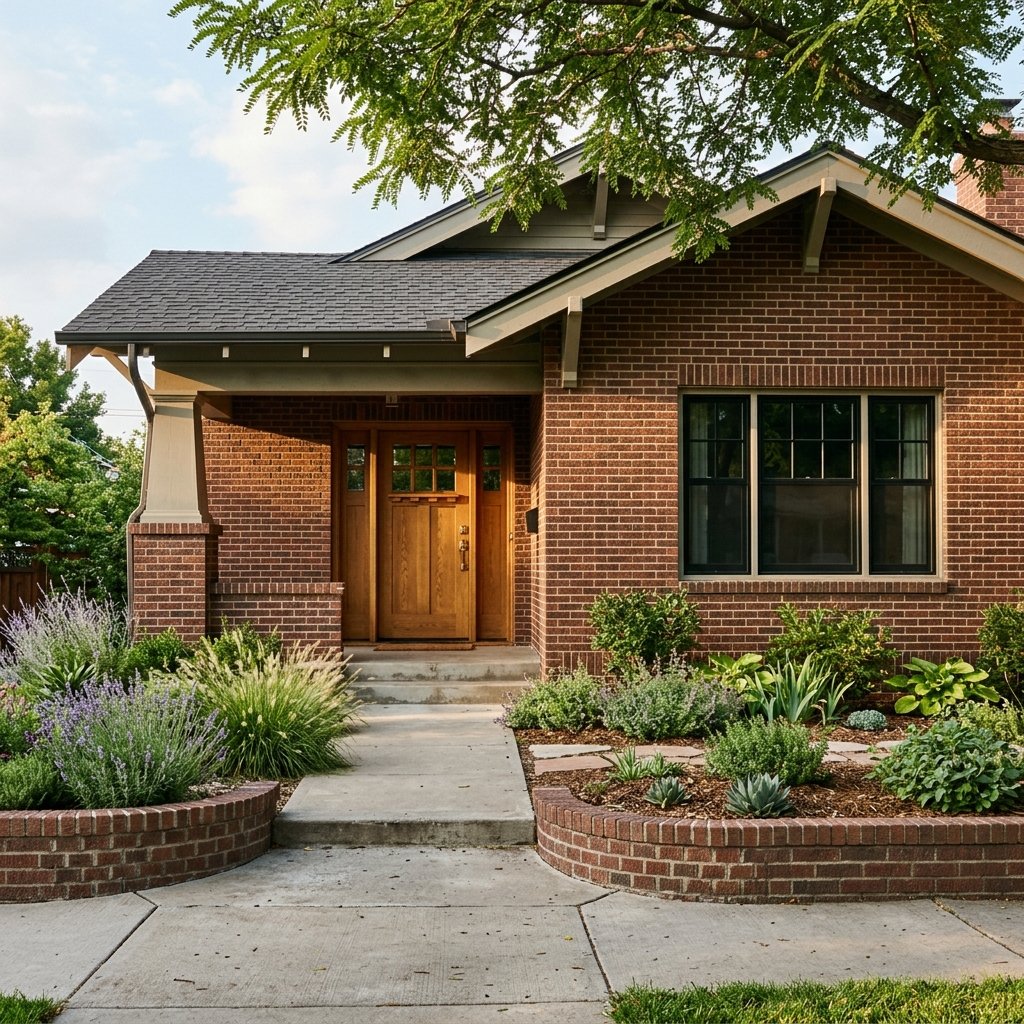
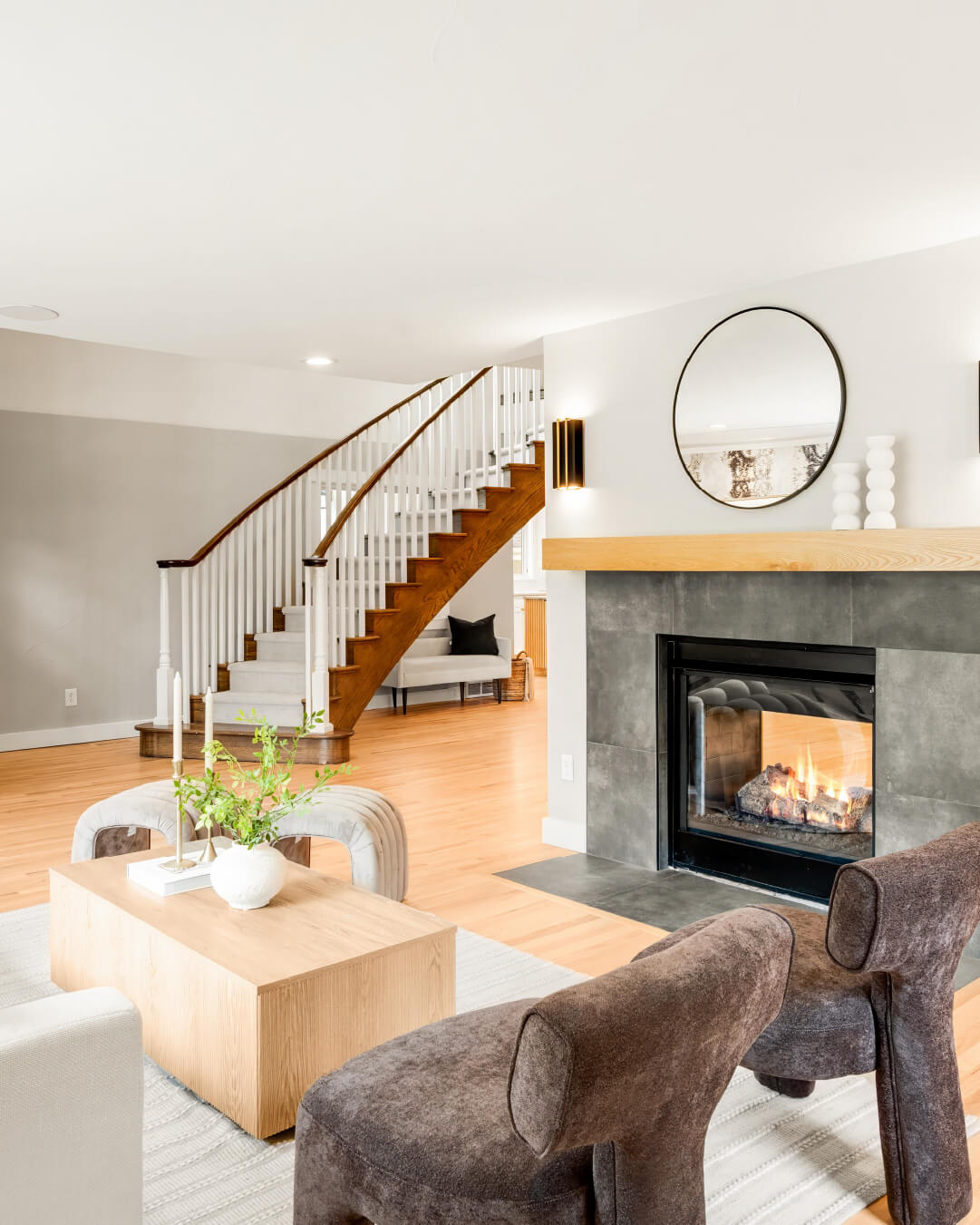
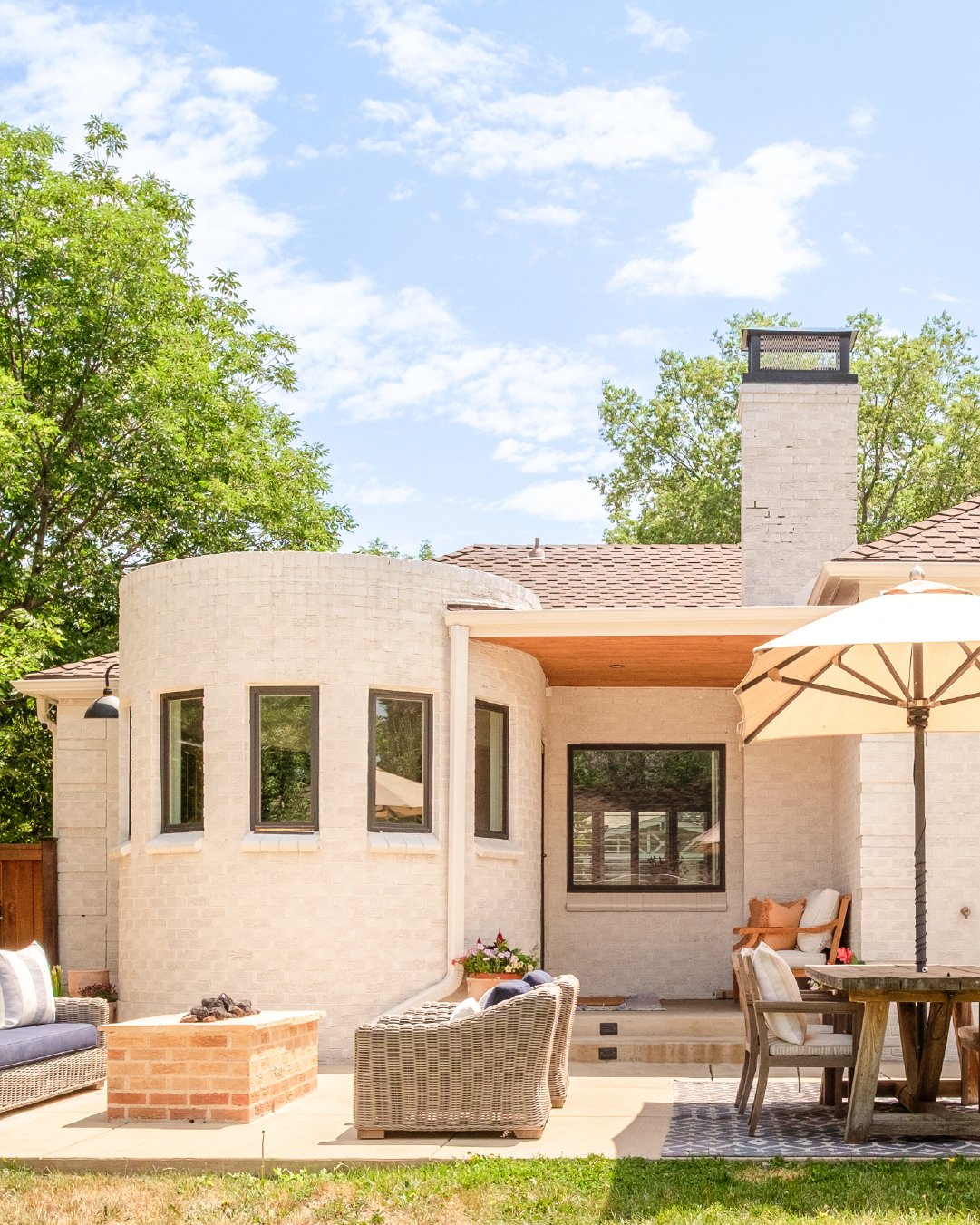
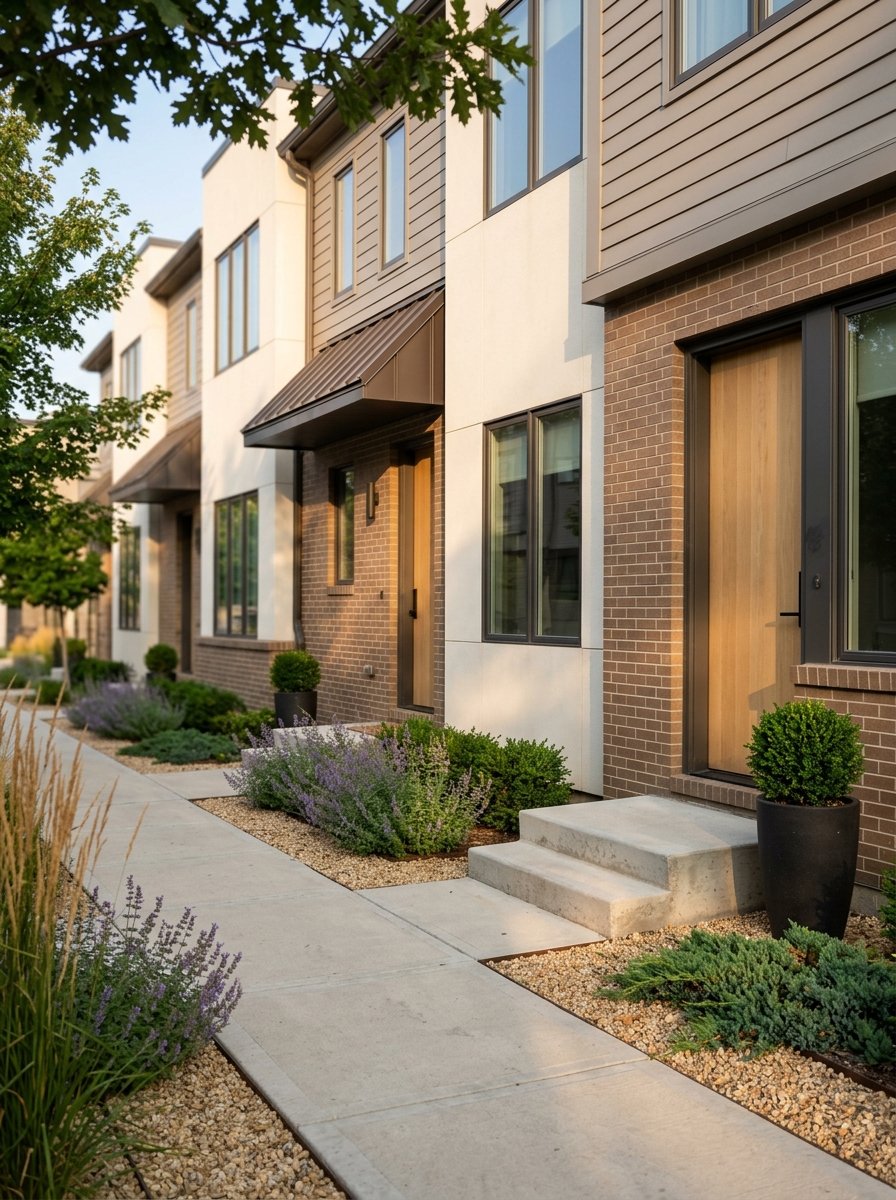
One of the biggest misconceptions about Lowry is that it feels uniform. In reality, it includes a planned mix of single-family homes, duplexes, row houses or townhomes, condos, and apartments across nearly 1,866 acres.
For buyers, that variety can be a real advantage. You may find options that fit different budgets, space needs, and maintenance preferences while still staying within the same broader neighborhood.
Lowry Includes Detached and Attached Homes
According to neighborhood materials, Lowry has nearly 3,000 residences. That range of housing types helps explain why the neighborhood appeals to first-time buyers, move-up buyers, and people who want a lower-maintenance lifestyle without leaving Denver.
If you are comparing Lowry to neighborhoods with a narrower housing stock, this mix can open up more possibilities. It also creates a streetscape that changes from block to block rather than repeating the same format everywhere.
Exterior Changes Often Involve Review
Lowry also has a layered ownership and maintenance structure. The Lowry Community Master Association oversees the broader neighborhood, many homeowners also belong to a subassociation, and major exterior changes go through the Lowry Design Review Committee.
For homeowners, that usually means you should expect oversight for visible updates such as exterior improvements and landscaping changes. If you are buying in Lowry, it is smart to understand both the master association and any subassociation rules before making plans for a property.
Lowry Balances City Living and Community Oversight
Lowry functions a bit differently than a neighborhood made up entirely of private roads or entirely of city-managed spaces. Most streets are owned, maintained, and regulated by the City and County of Denver, while the association maintains common elements such as parks, sidewalks, alleys, private roads, trees, landscaping, lighting, monuments, and walls.
In practice, that creates a shared-responsibility feel. Everyday issues like parking, snow, alley conditions, and street use can involve both city rules and community expectations.
What That Means for Daily Living
If you like structure and a well-kept environment, this setup may feel like a plus. Common spaces are actively maintained, and neighborhood standards help support a cohesive look across the community.
At the same time, it is helpful to go in with clear expectations. Buyers should be ready to review association documents carefully and understand how neighborhood guidelines may affect exterior projects, parking habits, and other visible day-to-day details.
Parks and Open Space Are a Major Part of Life Here
Lowry is especially strong when it comes to open space. The neighborhood includes more than 800 acres of parks and open space, which the community site says equals about 20% of Denver’s park acreage, with roughly 35% of that land devoted to native plants and grasses.
That scale shapes the feel of the neighborhood in a big way. Even though Lowry is in Denver, it offers a park-rich environment where green space is part of the everyday experience rather than an occasional bonus.
You Have Lots of Options for Recreation
Lowry includes 17 parks and open spaces, plus a sports complex, golf course, natural reserve areas, a recreation center, and an ice arena. Well-known spots include Great Lawn Park, Bayaud Park, Lowry Sports Complex, Lowry Dog Park, Yosemite Open Space, Tailwind Park, Mustang Park, Roslyn Park, Sunset Park, and Liberator Park.
That range gives you flexibility depending on how you like to spend time outside. You can head out for a walk, bring a dog to the park, visit a neighborhood green space, or make use of larger recreational amenities without going far.
The Neighborhood Feels Designed for Walking Around
Public art adds another layer to the experience. The Lowry Foundation highlights a neighborhood-wide art-and-parks program, including the Reading Garden at 5th and Trenton and installations such as Dawn, Natural Balance, and Aspens and Moon near major open spaces.
As a result, Lowry often feels visually engaging in a quiet, everyday way. Walks can include open lawns, native landscaping, and public art instead of the same block repeating over and over.
Town Center Keeps Many Errands Close to Home
For many residents, Lowry Town Center is what makes the neighborhood especially convenient. Located at 200 Quebec Street, it serves as the main retail and dining hub with grocery shopping, boutiques, and other services in one concentrated area.
That kind of central node can make a real difference in your weekly routine. Instead of driving across Denver for every small task, many day-to-day stops can happen within the neighborhood.
Dining and Shopping Are Built In
The neighborhood directory and shopping materials list businesses such as Albertsons, Einstein Bros Bagels, Savory Spice Shop, Cafe Mercato, Chop Shop, Copper Door Coffee Roasters, The Delectable Egg, and Lowry Beer Garden. The restored Eisenhower Chapel is also part of Town Center and continues to host gatherings and events.
This mix gives Lowry a lived-in, practical feel. It is not just a residential area with homes and parks. It also has the kind of built-in commercial core that supports routines like coffee runs, grocery stops, and casual meals.
Lowry Is Connected, but Not All About the Car
Lowry is not a transit-heavy urban core, but it is also not purely car-dependent. RTD Route 6 includes stops at Quebec-6th and Lowry-Yosemite and connects toward downtown Denver and Aurora Metro Center Station.
For some residents, that can provide useful flexibility for commuting or reaching other parts of the metro area. Even if you drive most of the time, having nearby bus service adds another option to the mix.
Everyday Access Is Part of the Appeal
Lowry’s location and layout make it easier to combine neighborhood living with city access. You have local shopping, dining, parks, and cultural spaces nearby, along with broader RTD service across the metro area.
That balance is part of what makes Lowry feel practical. It supports daily routines close to home while still connecting you to the rest of Denver.
Cultural Amenities Add Character
Some neighborhoods have parks. Some have shopping. Lowry also has a museum anchored in a former hangar, which says a lot about the area’s personality.
Wings Over the Rockies Air & Space Museum operates at 7711 East Academy Boulevard and offers free parking. Together with Hangar 2 and the Eisenhower Chapel, it reinforces the idea that Lowry’s past is woven into present-day life.
A Neighborhood With Layers
This gives Lowry a slightly different lifestyle feel than neighborhoods built all at once around a single design trend. The former base structures add scale, identity, and a sense of place that many buyers find memorable.
If you care about neighborhood character, Lowry offers more than just curb appeal. It has a built environment that tells a story.
So, What Is It Like to Live in Lowry?
Living in Lowry means being in a neighborhood that blends planned convenience with visible history. You get a broad housing mix, extensive parks and open space, a central shopping and dining hub, and amenities that support daily life without needing to leave the neighborhood for every errand.
It also means understanding the community’s structure. Association rules, design review, and shared maintenance expectations are part of the experience, and they are worth reviewing carefully if you are considering a move.
For many buyers, that tradeoff feels worthwhile. Lowry offers a distinctive mix of Denver accessibility, neighborhood amenities, and architectural variety that can be hard to replicate elsewhere.
If you are exploring homes in Lowry or thinking about selling in the neighborhood, the right guidance can help you understand not just the homes, but the block-by-block lifestyle and property considerations that come with them. Connect with the Linkow Baltimore Team to start the conversation.
FAQs
What types of homes are available in Lowry, Denver?
- Lowry includes single-family homes, duplexes, row houses or townhomes, condos, apartments, and loft-style residences, giving buyers a wider range of options than many single-style neighborhoods.
What is special about the history of Lowry, Denver?
- Lowry began as an airfield in 1937, later became Lowry Air Force Base, closed in 1994, and was redeveloped into a mixed-use neighborhood that still features repurposed historic buildings like hangars and the Eisenhower Chapel.
What parks and outdoor spaces are in Lowry, Denver?
- Lowry has more than 800 acres of parks and open space, 17 parks and open spaces, and amenities that include a sports complex, golf course, natural reserve areas, a recreation center, and an ice arena.
What is Lowry Town Center in Denver?
- Lowry Town Center is the neighborhood’s main retail and dining area at 200 Quebec Street, with grocery shopping, restaurants, boutiques, services, and the restored Eisenhower Chapel.
Are there HOA or design rules in Lowry, Denver?
- Yes. Lowry has a master association, many homes are also part of subassociations, and major exterior changes typically go through the Lowry Design Review Committee.
Is Lowry, Denver connected by public transit?
- Yes. RTD Route 6 serves Lowry with stops including Quebec-6th and Lowry-Yosemite, connecting the neighborhood toward downtown Denver and Aurora Metro Center Station.