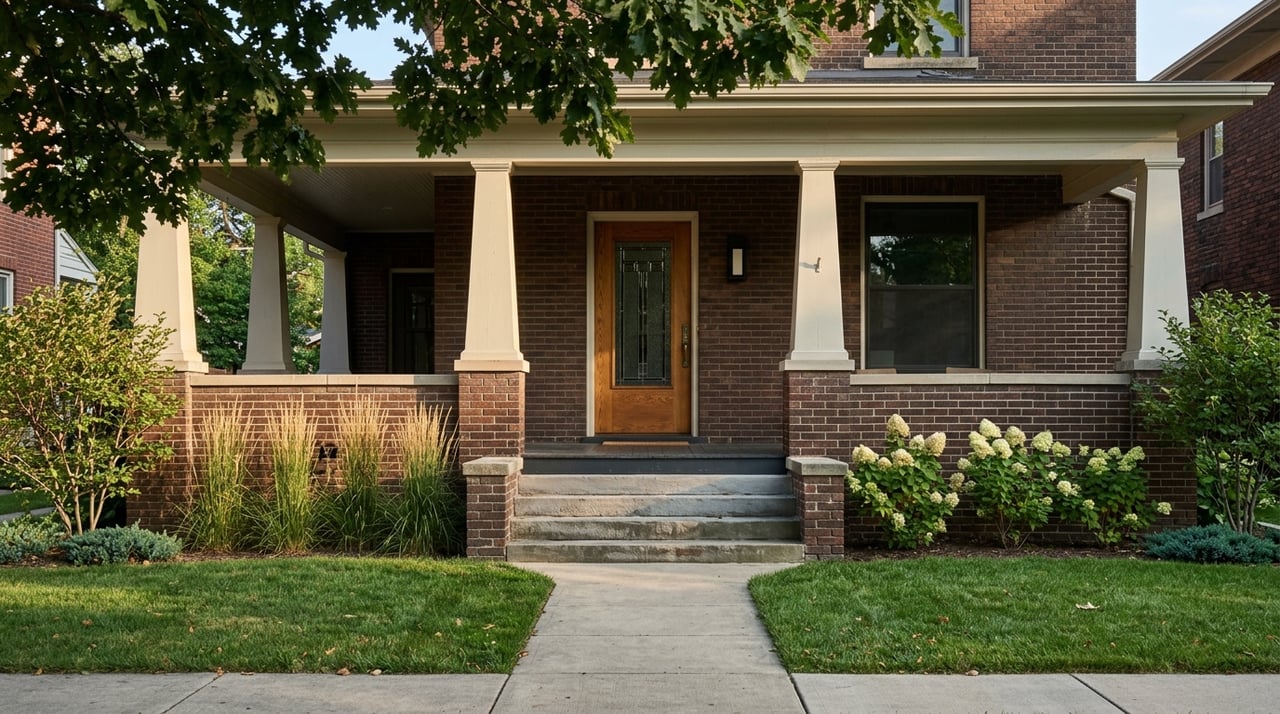
Selling a home in the 7th Ave Historic District can feel different from listing anywhere else in Denver. You are not just preparing a property for market. You are also navigating local historic-district rules, buyer questions about older-home systems, and the details that shape how your home’s character is presented. When you understand what matters most before you list, you can move forward with more clarity and confidence. Let’s dive in.
Know Your Exact Historic Designation
In Congress Park, the phrase “7th Ave Historic District” can mean different things in casual conversation, but your listing should be tied to the property’s actual designation. Denver identifies East Seventh Avenue as local historic district D-21, designated in 1993, and the East Seventh Avenue Historic District, Steele Street Extension, as district D-59, designated in 2021.
That distinction matters because preservation review follows the official district boundary, not the neighborhood nickname. It also shapes buyer expectations, especially when questions come up about past work, future exterior changes, or what local review may apply.
Understand What Denver Reviews
If your home is in a locally designated historic district, Denver Landmark Preservation reviews many types of exterior work, development, and demolition. After approval, the city issues a Certificate of Appropriateness, often called a COA.
For sellers, the practical takeaway is simple: if you are considering exterior updates before listing, check the rules before work begins. Denver states that exterior work in a historic district requiring a building, zoning, encroachment, or curb-cut permit is reviewed, and the COA must be submitted with the later permit application.
Exterior Changes That Commonly Trigger Review
Before you schedule contractors, be cautious with projects involving:
- Facades
- Roofs
- Windows
- Doors
- Additions
- Fences
- Site work
- Solar installations
- Curb cuts
If your property sits along East 7th Avenue Parkway, there may be another layer to consider. Denver notes that the parkway is a historic parkway, and Denver Parks and Recreation regulates adjacent development, including setbacks, walls, fences, and curb cuts.
Plan Pre-Listing Updates Carefully
Many sellers want to make improvements before going live, but historic homes usually require more coordination than a standard cosmetic refresh. Even straightforward projects can involve application materials like photos, floor plans, elevations, and window or door schedules.
That does not mean you should avoid preparing your home. It means your prep plan should be thoughtful, documented, and timed properly so your listing timeline does not get thrown off by approval or permit issues.
Windows and Doors Need Extra Attention
Window and door replacement is one of the most common pressure points in historic districts. Denver strongly encourages retaining historic windows and character-defining front facade doors, and some common replacements may be approved administratively if they meet the city’s guidelines.
Just as important, Denver states that certain materials and designs are not allowed in historic districts. That includes vinyl windows and doors, windows with only internal muntins, and glued-on muntins.
Additions and Materials Matter
If you completed an addition in the past or are thinking about one before listing, buyers may ask whether the work was reviewed and approved. Denver reviews additions on all properties in historic districts, and the city also identifies several materials that are not allowed, including vinyl siding, aluminum siding, thin brick veneer, EIFS, and vinyl windows.
For a seller, that means documentation matters almost as much as the work itself. If an exterior project was completed with the right review and permits, having those records ready can support buyer confidence.
Build a Strong Disclosure File
One of the smartest ways to list a historic home with confidence is to get organized early. Colorado’s residential Seller’s Property Disclosure encourages sellers to attach additional pages, reports, receipts, and other documents, and it asks about written reports or studies tied to building, roofing, soils, water, sewer, mold, or engineering issues.
That makes pre-listing paperwork more than a back-office task. It becomes part of your strategy for presenting the home clearly and reducing avoidable friction once buyers begin asking questions.
Helpful Documents to Gather Before Listing
Try to assemble:
- Permit history
- Landmark approvals or COAs
- Contractor invoices and receipts
- Roof repair or replacement records
- Window and door documentation
- Engineering or structural reports
- Drainage, sewer, or water-related reports
- Past inspection reports you are comfortable disclosing
A cleaner file often leads to smoother conversations. It also helps your listing presentation feel credible and complete.
Expect Buyer Questions About Older-Home Systems
Historic homes often attract buyers who love architecture and character, but they still want answers about condition. Colorado guidance notes that inspections help buyers identify major issues before closing, and buyers of older homes usually focus on the same core systems as any other purchase.
In this area, you should expect attention on the foundation, roof, gutters, exterior walls, grading, electrical, plumbing, HVAC, windows, attic, and basement. Historic homes can also draw extra scrutiny around water intrusion, settlement, and window leaks, especially because the Colorado disclosure form specifically asks about those items.
Candid Disclosure Builds Trust
Colorado’s current Seller’s Property Disclosure is based on your current actual knowledge and is not a warranty. It also states that buyers should obtain their own professional inspections.
At the same time, Colorado guidance for listing practice requires disclosure of known adverse material facts, including structural defects, soil conditions, zoning or building-law violations, and nonconforming uses or variances. In a historic district, the best approach is usually straightforward: disclose what you know, avoid guesswork, and back up your disclosures with documents when you can.
Address Lead Paint Questions Early
Because East Seventh Avenue’s historic district period of significance runs through 1943, many homes in the area were built before 1978. That means lead-based paint questions are common and should not come as a surprise during the listing process.
For homes built before 1978, federal lead-based paint disclosure rules apply. Sellers and agents must disclose known lead-based paint or hazard information and provide the required lead pamphlet before the buyer is obligated under contract.
If you are doing touch-up work before listing, this matters even more. EPA guidance states that contractors working on pre-1978 housing must comply with the Lead Renovation, Repair and Painting Rule and should assume paint is lead-based unless testing shows otherwise.
Market Character With Precision
Historic homes deserve thoughtful storytelling, but strong marketing should never overstate what cannot be verified. The most effective listing language is specific, supportable, and grounded in the home’s actual records and features.
That means using terms carefully. Say original only when you can support it with records, photos, or prior reports. Use restored when rehabilitation work was actually completed. Use compatible for later features that were approved to fit the district.
Avoid Confusion About Historic Status
Another important point is not to blur local landmark status with National or State Register status. History Colorado notes that National and State Register properties may be eligible for tax credits or grants, but listing alone does not create automatic protection for a privately owned property.
In Denver, local historic-district designation is what drives exterior design review. If buyers ask about possible incentives, the safest language is that a property may be eligible, since current rehabilitation-credit rules are administered through History Colorado and can change.
A Smart Listing Strategy for 7th Ave
When you step back, listing a home here successfully is usually about four things. Preserve what is original when possible. Document what has been repaired or updated. Disclose what is known. Present the home’s story with accuracy and restraint.
That approach is not just safe. It is persuasive. Buyers in Congress Park and along 7th Avenue often respond well to homes that feel well cared for, honestly represented, and thoughtfully prepared for the market.
For a historic listing, confidence comes from clarity. With the right pre-listing plan, documentation, and design-aware marketing, you can highlight your home’s architectural character while keeping the process grounded and professional.
If you are preparing to sell in Congress Park or the 7th Ave Historic District, the Linkow Baltimore Team can help you build a thoughtful listing strategy with clear guidance, elevated marketing, and hands-on support from start to finish.
FAQs
What makes a 7th Ave home a historic-district listing in Denver?
- A home is treated as a historic-district listing when it falls within Denver’s actual locally designated district boundaries, such as East Seventh Avenue (D-21) or the Steele Street Extension (D-59), rather than just a commonly used neighborhood label.
What exterior work on a Congress Park historic home may need review?
- In Denver historic districts, exterior work involving items like facades, roofs, windows, doors, additions, fences, site work, solar, or curb cuts should be checked for Landmark review before work begins, especially if permits are required.
What documents should you gather before listing a historic home in Denver?
- It is helpful to gather permit history, Landmark approvals, contractor receipts, repair records, and any building, roofing, engineering, sewer, water, or similar reports that support your disclosures.
What do buyers usually inspect in a 7th Ave historic home?
- Buyers commonly focus on the foundation, roof, gutters, exterior walls, grading, electrical, plumbing, HVAC, windows, attic, basement, and any signs of water intrusion, settlement, or window leaks.
What should you know about lead paint when selling an older Denver home?
- If the home was built before 1978, sellers must disclose known lead-based paint or hazard information and provide the required lead information before the buyer is obligated under contract.
How should you describe historic features in a Denver listing?
- Use precise, documentable language, such as original, restored, or compatible, only when the records, photos, approvals, or prior reports support those descriptions.