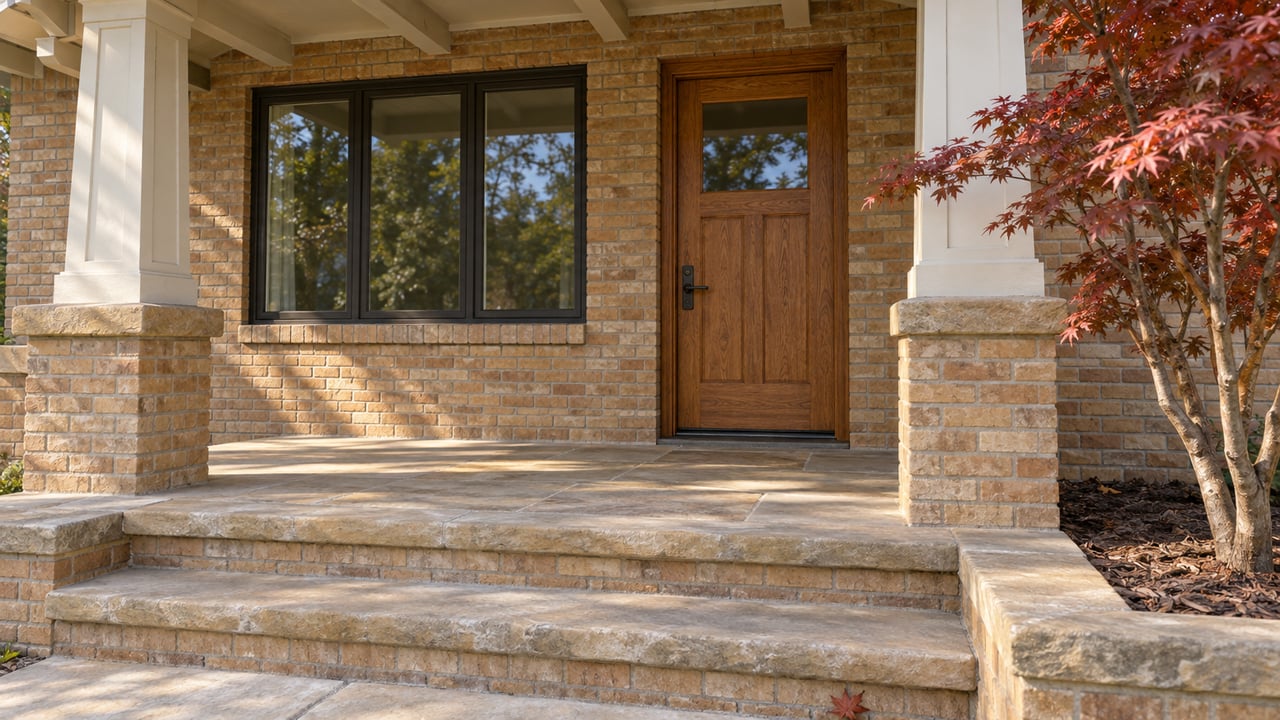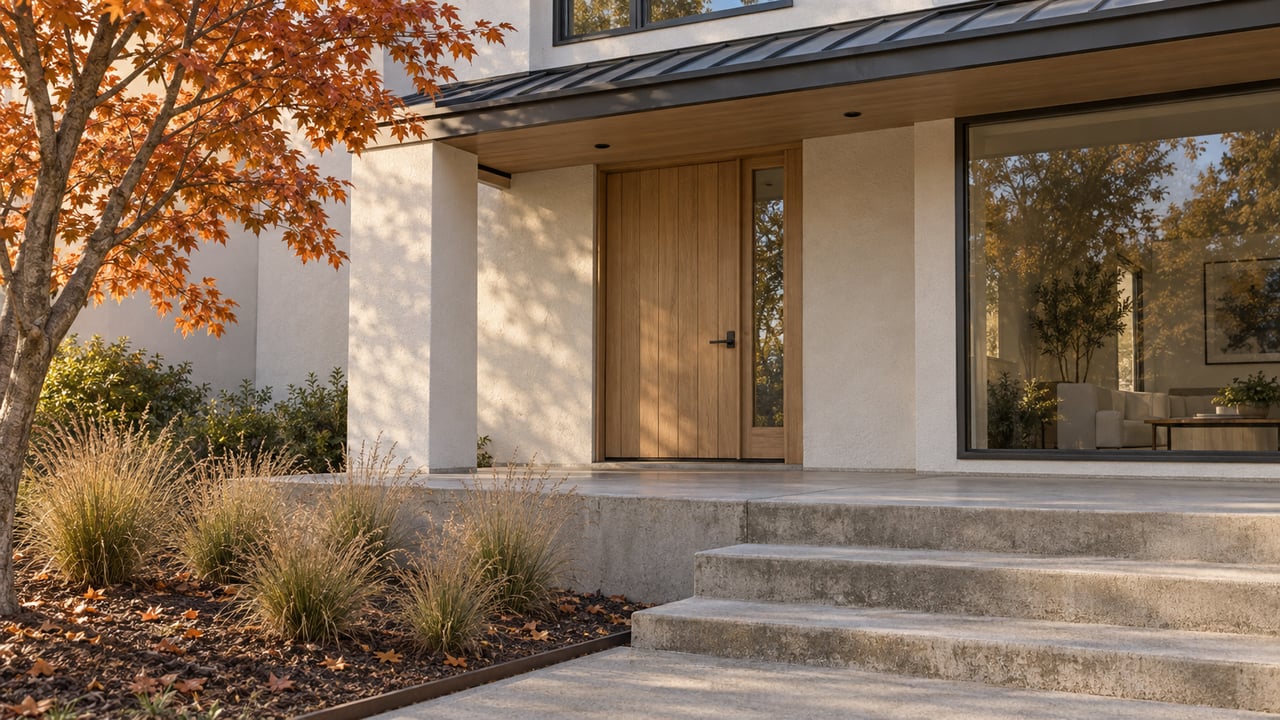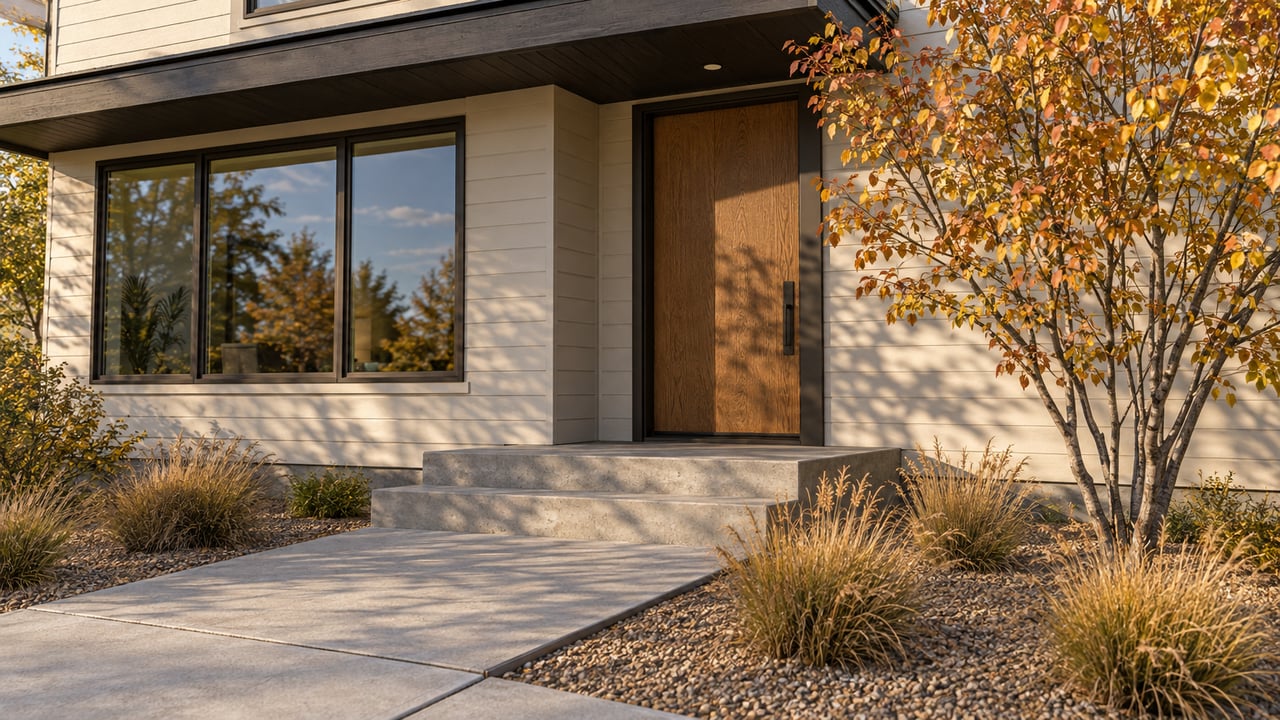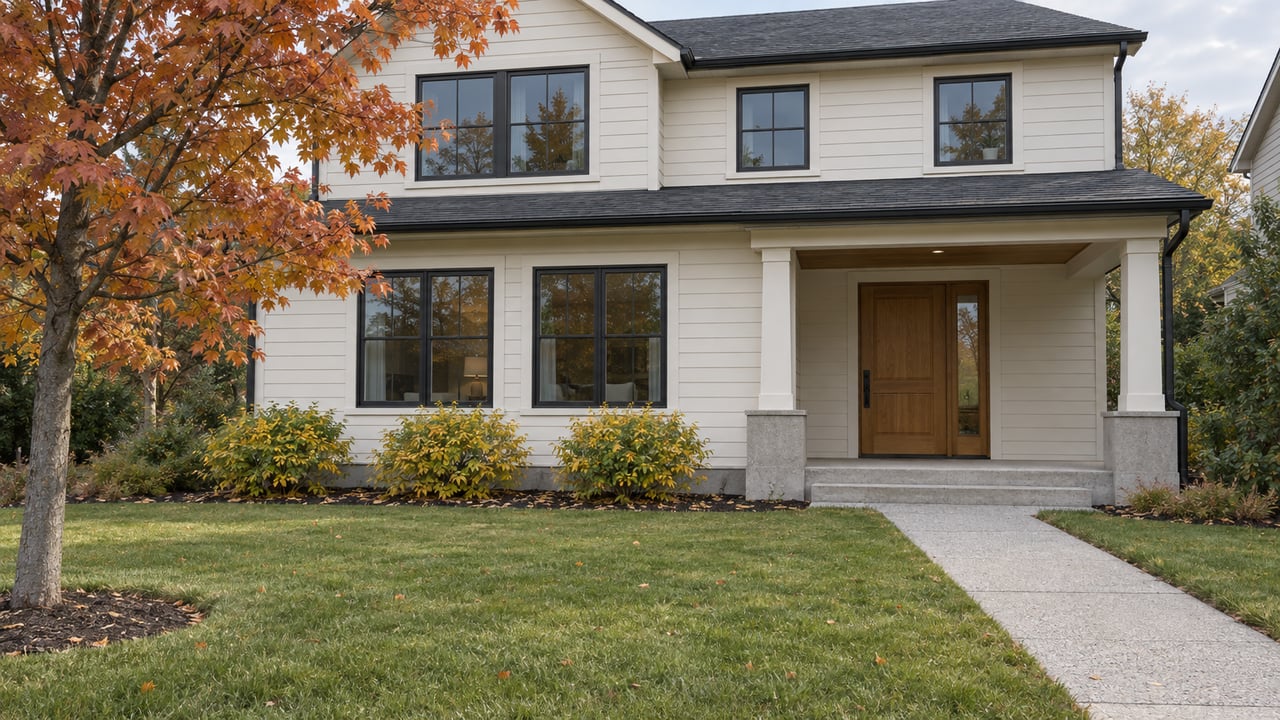
Wondering whether Hilltop is the right place for your next chapter in Denver? If you are moving up from your current home, this neighborhood can feel exciting and a little complex at the same time. The good news is that with the right plan, you can understand what really drives value here, how to time your move, and what to watch before you buy. Let’s dive in.
Why Hilltop Stands Out
Hilltop holds a distinct place in Denver’s luxury market. According to Redfin’s Hilltop housing market snapshot, the neighborhood’s median sale price was $1.635M in February 2026, with a median price per square foot of $425. That puts Hilltop well above Denver’s overall median sale price of $565K.
For a move-up buyer, that gap matters. In many cases, buying in Hilltop means using the equity from your current home strategically and planning your sale and purchase timing with care. It is not just a bigger house purchase. It is often a step into a very different price band.
What Hilltop Feels Like
Hilltop is commonly described by the neighborhood association as bounded by Colorado Boulevard, Holly Street, 8th Avenue, and Alameda Avenue. The association also notes that the area grew from two early subdivisions, which helps explain the neighborhood’s irregular block pattern and distinctive streetscape today. You can read more on the Hilltop neighborhood overview.
That layout is part of the area’s appeal. Hilltop combines established residential streets with a park-and-parkway setting that many buyers notice right away. The neighborhood parks page highlights Cranmer Park, Robinson Park, Burns Park, and the 6th Avenue Parkway, along with the tree-lined streets and views from Cranmer Park.
For buyers who value both architecture and setting, that combination can be a major draw. In Hilltop, the home itself matters, but so does where it sits in relation to parks, parkways, and long-view streets.
Hilltop Is Not an HOA Community
One important detail for move-up buyers is that Hilltop is not governed by an HOA. The Hilltop Neighborhood Association is a volunteer Registered Neighborhood Organization, and its work focuses on issues such as zoning and redevelopment, traffic, crime and safety, schools and parks, and community activities.
That distinction matters because you are not stepping into a neighborhood with HOA-style CC&Rs. At the same time, local civic involvement still plays a meaningful role in how the neighborhood evolves. If you are thinking long term, it is smart to understand not only the house you are buying, but also the neighborhood framework around it.
What You Can Buy in Hilltop
One of Hilltop’s strengths is variety. This is not a neighborhood with one single housing style or one fixed price point. Instead, you will find a mix of older homes, updated properties, significant additions, and new luxury construction.
For example, Modern in Denver’s feature on 145 Dexter Street highlights a 1967 mid-century modern home on a 10,000-square-foot lot near Cranmer Park. That example reflects a side of Hilltop that appeals to buyers who appreciate original architecture, larger lots, and renovation potential.
At the same time, Redfin’s Hilltop new-construction page currently shows two new homes for sale with a median listing price of $2.37M. The listing descriptions emphasize large floor plans, gourmet kitchens, custom cabinetry, landscaped patios, and covered outdoor spaces.
In practical terms, Hilltop can work for different kinds of move-up goals, including:
- Buying more square footage
- Moving to a larger lot
- Prioritizing park proximity
- Finding a renovated older home
- Purchasing newer luxury construction
- Choosing a home with future remodel potential
What Drives Value in Hilltop
In some neighborhoods, value comes down mostly to size and finishes. In Hilltop, the picture is broader. The strongest value drivers often include lot size, park and parkway proximity, architectural character, renovation quality, and the potential to improve or rebuild within applicable rules.
That means two homes with similar square footage may not carry the same value story. A home near Cranmer Park, on a larger lot, or with stronger long-term improvement potential may command more attention than a comparable home without those advantages.
When you tour homes in Hilltop, it helps to evaluate value through multiple lenses:
- Lot size and shape
- Location near parks or parkways
- Quality of past remodel work
- Orientation and views
- Future flexibility for additions or exterior changes
For move-up buyers, this is where local guidance becomes especially useful. A beautiful kitchen is easy to spot. A stronger lot or better long-term upside often takes a more trained eye.
Why Lot Size Matters So Much
The Hilltop Neighborhood Association explains that most of the neighborhood is zoned Urban Edge with Single Unit houses, and that two common zoning designations are E-SU-D, with a 6,000-square-foot minimum lot size, and E-SU-G, with a 9,000-square-foot minimum lot size. The association also notes that Hilltop has long seen new homes, enlargements, and yard and landscape improvements. You can review those details in its home improvement and zoning guidance.
For you as a buyer, this means the lot is often as important as the house. If you are moving up because you want more usable outdoor space, more privacy, or room to improve over time, zoning and lot dimensions deserve close review before you write an offer.
This is especially true if you are comparing an already-renovated home with a property you may want to update later. The right lot can create flexibility. The wrong one can limit your options.
Check Improvement Potential Before You Buy
If there is any chance you will add on, rework the exterior, or make major changes later, do your homework early. The neighborhood association advises owners to check surveys, avoid work in the public right-of-way, and obtain permits before construction begins.
There is another major factor in Hilltop: Denver’s view-plane rules. The city states that view planes preserve views from parks and public places by limiting building height, and Cranmer Park is one of the named view-plane locations. In a neighborhood where views and siting can be part of value, this is not a small detail.
Before you buy, it is wise to confirm:
- The property survey
- Lot lines and right-of-way boundaries
- The applicable zoning district
- Whether the property is affected by a view plane
- Whether your long-term improvement ideas are realistic
How Competitive Is Hilltop?
Hilltop is described by Redfin as somewhat competitive. In February 2026, Redfin reported 27 homes sold in the neighborhood and a median of 100 days on market. That is a useful reminder that this market can move differently than Denver overall.
For comparison, Denver’s market snapshot shows a median of 42 days on market citywide. In other words, Hilltop is more expensive than the broader Denver market, but not every listing moves at the same pace.
That can create opportunity for move-up buyers. In a neighborhood with a wide range of product, some homes may sell quickly because they check every box, while others may leave room for more thoughtful negotiation if condition, layout, or pricing misses the mark.
How to Plan a Move-Up Purchase
Because Hilltop often requires a larger equity jump, preparation matters. If you need funds from your current home to make the next purchase work, your strategy should start before you begin touring seriously.
A strong move-up plan usually includes:
- Understanding your current home’s likely value
- Estimating your equity and cash needs
- Defining your must-haves versus nice-to-haves in Hilltop
- Reviewing whether you want turnkey condition, renovation potential, or new construction
- Looking closely at lot, zoning, and long-term fit, not just finishes
This kind of planning can help you move with more confidence and less stress. It also helps you avoid falling in love with a property that does not support your budget or long-term goals.
Hilltop for Design-Conscious Buyers
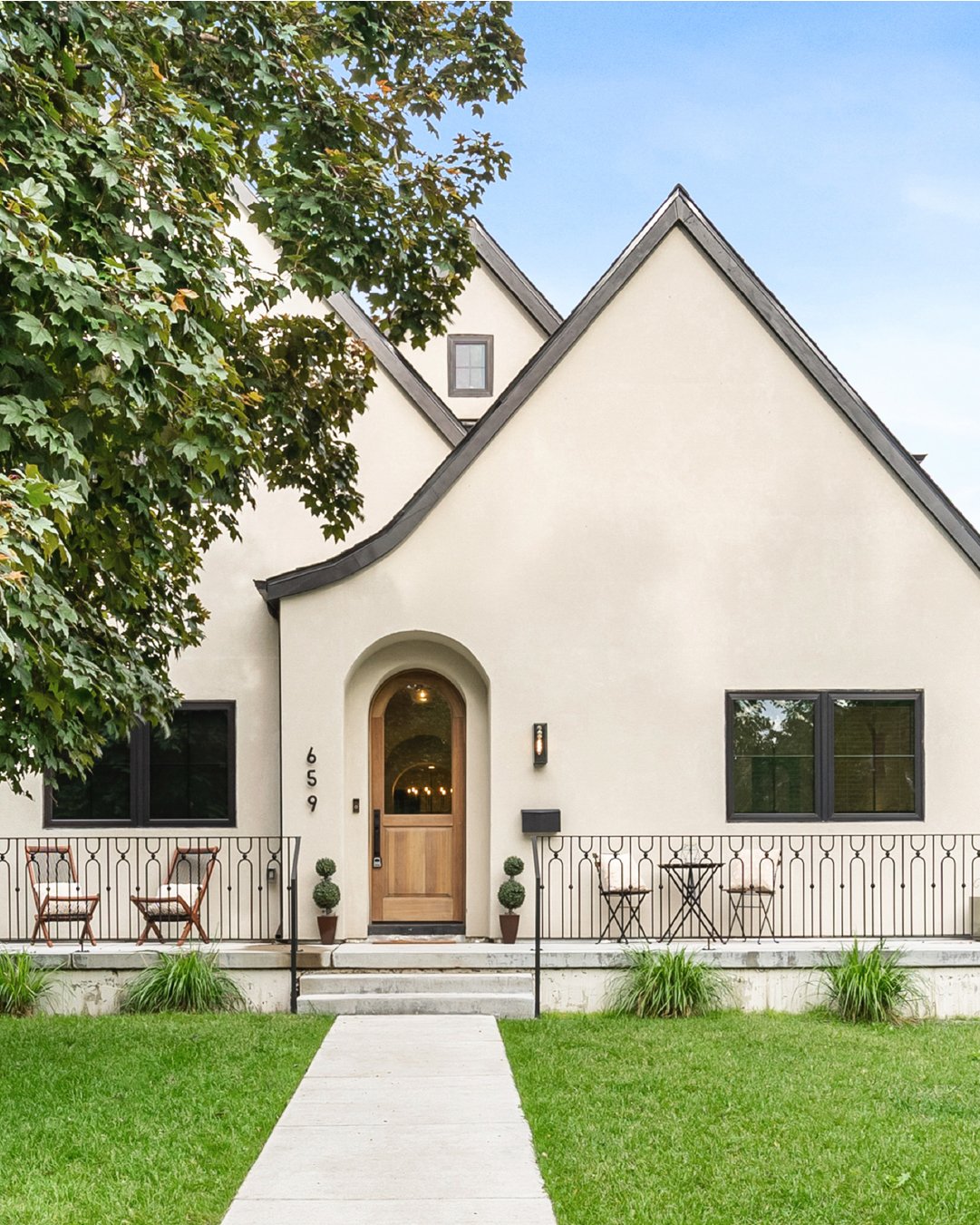
If you care about architecture, materials, and presentation, Hilltop offers a compelling mix. The neighborhood can appeal both to buyers drawn to older homes with character and to those who prefer newly built luxury residences with polished finishes and modern indoor-outdoor living.
That range is one reason Hilltop continues to stand out. It is not simply a larger-home neighborhood. It is a neighborhood where lot quality, parks, architectural style, and future possibilities all shape the buying decision.
A Smart Way to Buy in Hilltop
The best Hilltop purchases usually come from balancing emotion with analysis. You want a home that fits your next season of life, but you also want to understand what supports value over time. In this neighborhood, that often means looking beyond the staging and into the lot, zoning, setting, and improvement potential.
If you are thinking about a move-up purchase in Hilltop, working with a team that understands both design and construction can help you evaluate homes more clearly. When you are ready to map out your sale, your budget, and your next move, connect with the Linkow Baltimore Team for thoughtful, neighborhood-specific guidance.
FAQs
What is the typical price range for homes in Hilltop, Denver?
- Redfin’s recent Hilltop market data shows a median sale price of $1.635M, with recent sales ranging from around $1.0M to nearly $4.0M depending on the home, lot, and level of finish.
Are there new-construction homes in Hilltop, Denver?
- Yes. Redfin currently shows two new homes for sale in Hilltop with a median listing price of $2.37M, and the available listings emphasize luxury features and large-format layouts.
What should move-up buyers look for in Hilltop lots?
- You should pay close attention to lot size, lot shape, zoning, right-of-way issues, and whether the property may be affected by view-plane rules, especially if future additions or exterior changes matter to you.
Is Hilltop, Denver, governed by an HOA?
- No. Hilltop has a volunteer Registered Neighborhood Organization, not an HOA, so it does not operate under HOA-style CC&Rs.
What features drive home value in Hilltop, Denver?
- The clearest value drivers include lot size, proximity to parks and parkways, architectural quality, renovation quality, views, and the feasibility of future improvements under zoning and view-plane rules.