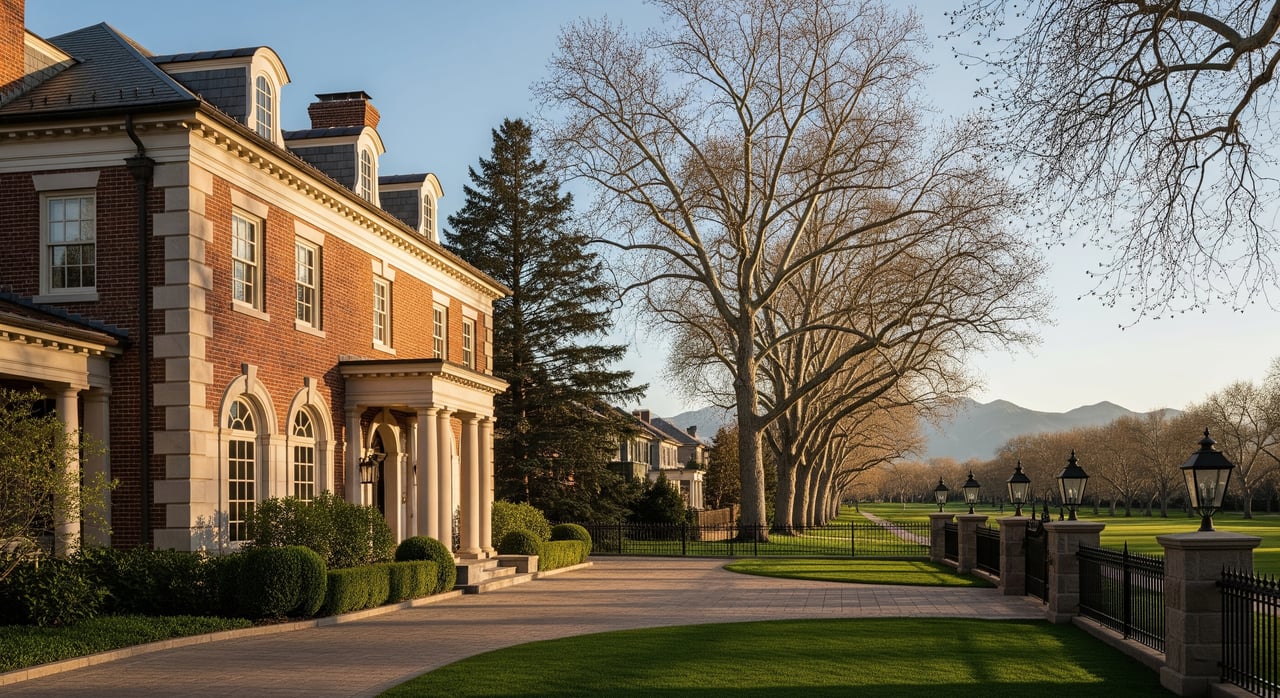
Curious what it feels like to live on a quiet, tree-lined block just a short hop from Denver’s best shopping and cafés? If you love historic architecture, larger lots, and easy access to trails and boutiques, Country Club might be your lane. In this guide, you’ll get a clear picture of the neighborhood’s character, housing, amenities, and what to consider before you buy. Let’s dive in.
Country Club at a glance
Country Club sits inside Denver city limits, anchored by the Denver Country Club and adjacent to the Cherry Creek and Cherry Creek North districts. It is known for elegant streetscapes, mature landscaping, and a calm residential feel close to urban amenities. You get a refined, established neighborhood that feels tucked away without being far from daily conveniences.
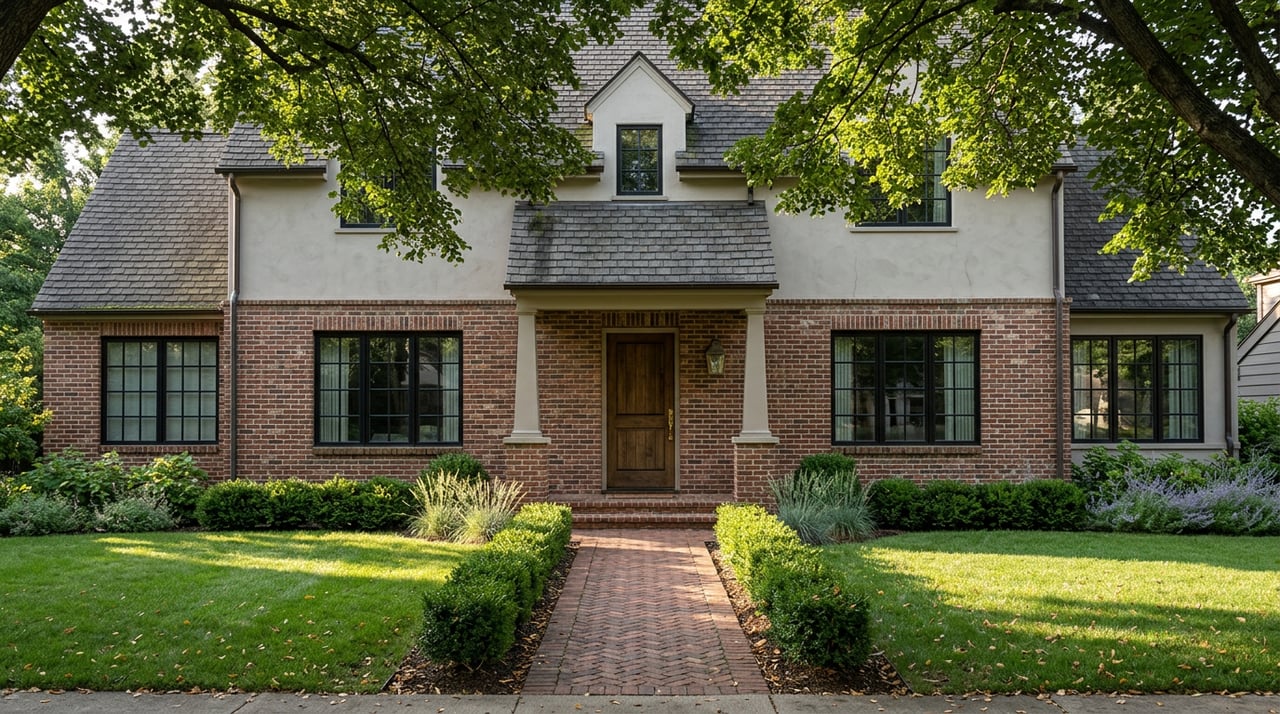
A large portion of the area is a designated historic district. Many homes date to the early 20th century, creating a cohesive architectural fabric. You’ll find architect-designed residences and larger-than-average urban lots throughout the neighborhood.
Architecture and historic character
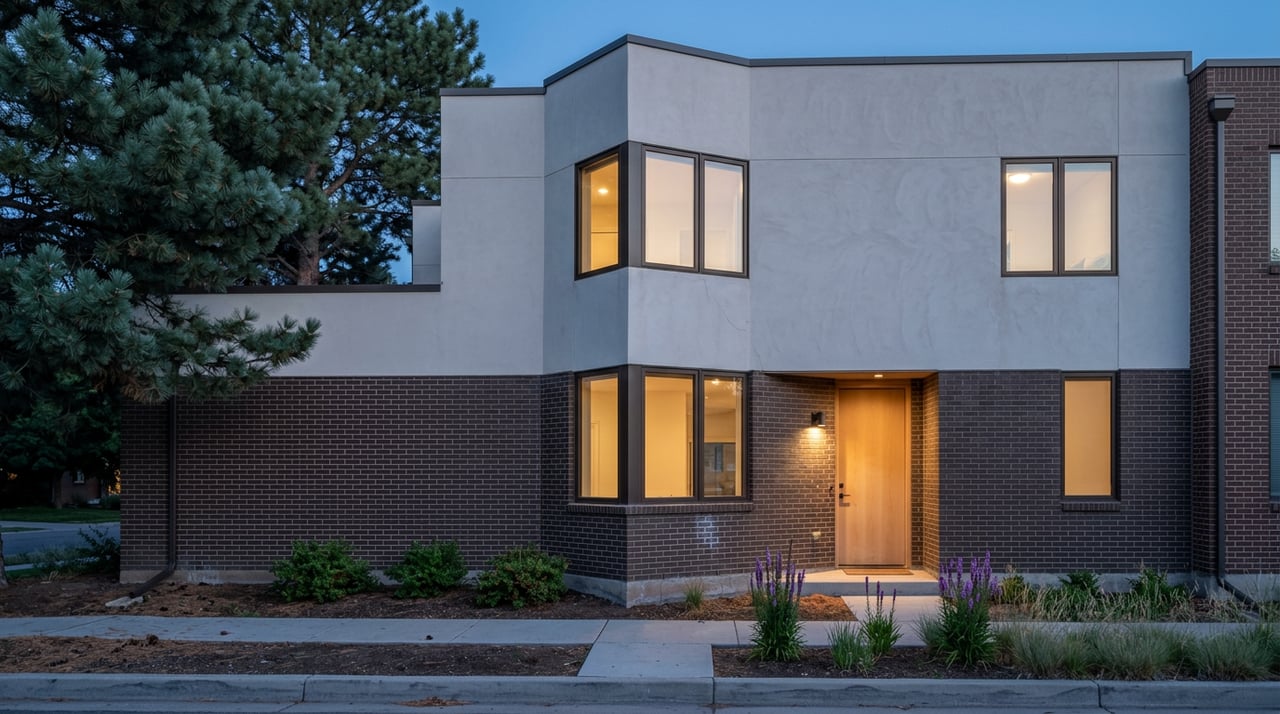
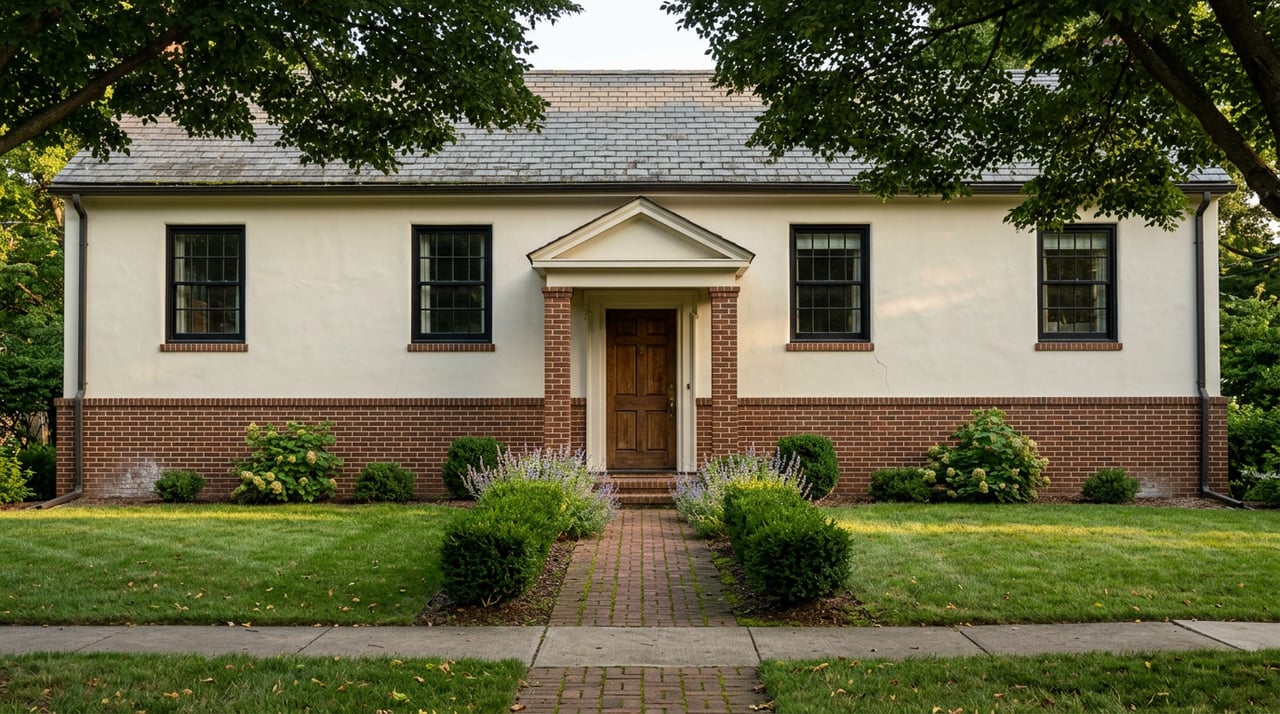
Country Club’s housing stock highlights Colonial Revival, Tudor, Georgian, and Mediterranean styles, along with a handful of classic bungalows and tasteful infill. Homes often feature thoughtful proportions, crafted details, and generous setbacks that create a park-like street experience. The result is a neighborhood where the architecture itself is part of the lifestyle.
Historic-district guidelines help preserve that character. Exterior changes, additions, or demolitions may be subject to review by preservation authorities. If you are planning a renovation, factor in design review timelines and the need to use compatible materials.
What historic status means for you
- Expect reviews for most exterior alterations and some additions.
- Plan for longer timelines and design documentation before major work.
- Budget for historically sensitive materials and workmanship.
- Many older homes have aging systems, so upgrades are common during ownership.
Housing and market
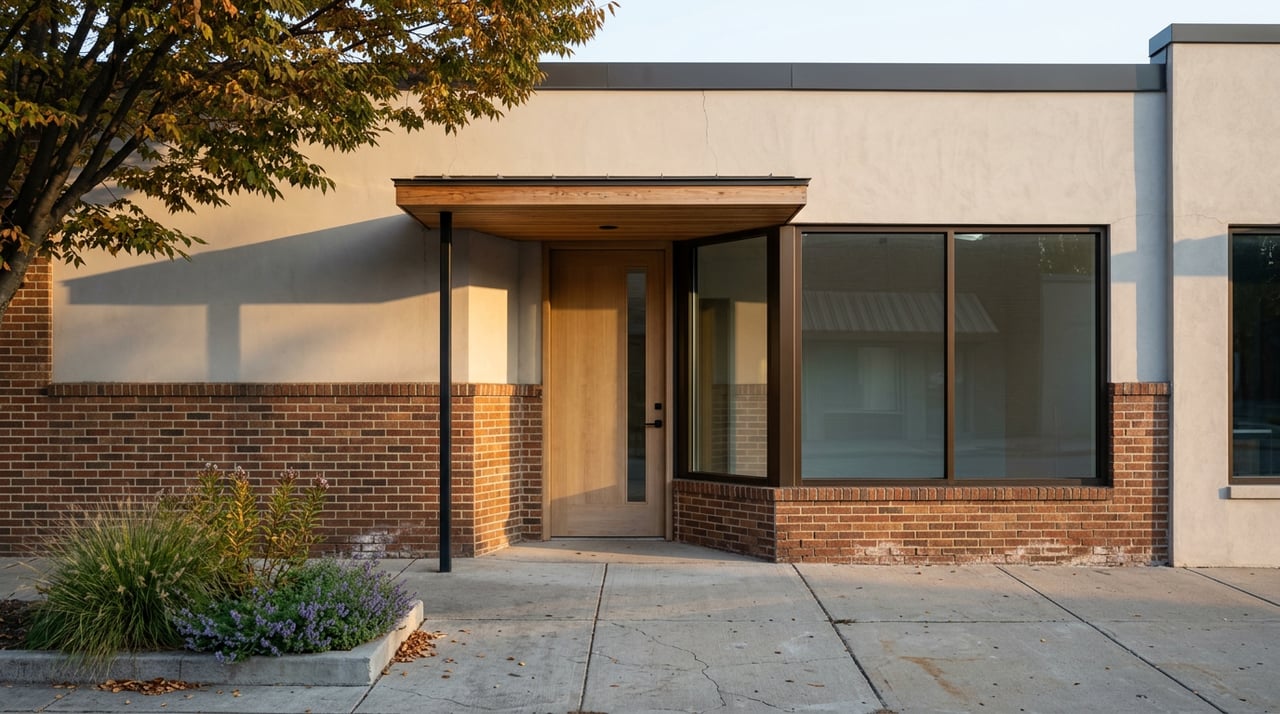
The neighborhood is primarily single-family homes. Townhomes and condos are limited and usually found near commercial edges or within converted older properties. Larger lots and setbacks are more common than in many Denver neighborhoods, which adds to the quiet, residential feel.
Country Club is one of Denver’s higher-priced neighborhoods. Inventory tends to be limited and turnover is relatively low, which can mean fewer listings and competition for standout properties. Historic homes and high-quality renovations often command premium pricing.
Buyer profiles that fit
- You value historic architecture and are open to stewardship of an older home.
- You want a central location near Cherry Creek dining, cafés, and galleries.
- You prefer a quiet, refined neighborhood with larger lots and mature trees.
- You are prepared for limited inventory and a competitive search.
Everyday life and amenities
Daily living here can feel effortless. You are a short walk or bike ride from Cherry Creek North, where boutiques, galleries, and cafés line the streets. The Cherry Creek Shopping Center and seasonal events nearby add variety to your routine.
If you enjoy fresh air, the Cherry Creek Trail and greenbelt provide direct routes for walking, running, and cycling. Larger parks, including Washington Park, are within a reasonable drive or bike ride for more expansive recreation. Evenings in the neighborhood tend to be quiet and neighborly.
Getting around
Country Club’s central position allows fairly direct drives to downtown and several metro employment hubs. Commute times vary with traffic, but they are generally shorter than from many outlying suburbs. Biking is a practical option for short trips using the Cherry Creek Trail and local bike lanes.
Public transit serves the broader area. Check current RTD routes and the nearest stops to confirm access that fits your routine. Street parking is generally available, though permit or time-limit rules can apply near commercial corridors. Verify local parking regulations for specifics.
Renovation and ownership considerations
Older homes bring both charm and responsibilities. Early, thorough inspections help you plan.
- Inspection focus areas: foundations, plumbing, older or outdated wiring, insulation, historic window conditions, and roofs.
- Preservation-sensitive updates: matching original materials and profiles is often encouraged; expect design review for many exterior changes, and plan for potential reviews on additions and visible modernizations like solar panels.
- Landscaping and trees: mature plantings are part of the neighborhood’s value. City tree ordinances can apply, so check before pruning or removal.
- Taxes and fees: property taxes follow Denver schedules. Higher assessed values can mean higher tax bills in this area. Some parcels may have small HOAs, but many homes are standalone without HOA fees.
- Private club note: the Denver Country Club is a separate, private membership organization. Homeownership in the neighborhood does not include club access.
Is Country Club right for you?
What you may love
- Historic architecture with architect-designed homes and cohesive streetscapes.
- Larger-than-average urban lots and a park-like street feel.
- Quick access to Cherry Creek North shopping, dining, and galleries.
- The Cherry Creek Trail for easy walking, running, and cycling.
What to consider carefully
- Premium pricing and limited inventory with lower turnover.
- Preservation rules that can influence renovation scope and timelines.
- Older systems that may require near-term upgrades.
- Street parking rules near busy corridors and occasional permit zones.
A day in Country Club
Start with a morning jog on the Cherry Creek Trail, then pick up coffee at a Cherry Creek North café. After work, a short bike ride or drive gets you to dinner, a gallery opening, or errands without crossing town. Evenings wind down on quiet, tree-lined streets where historic facades and mature landscaping set a timeless backdrop.
How to start your search
- Define your must-haves: lot size, style, original details, or renovation potential.
- Secure financing early so you can move quickly in a low-turnover market.
- Walk and bike the neighborhood to get a feel for each block and nearby amenities.
- Review historic-district guidelines with your agent before planning renovations.
- Build a realistic budget for mechanical upgrades and preservation-sensitive work.
- Line up inspectors who understand older homes and historic materials.
- Monitor listings and be ready to act when a match appears.
- If private-club access is part of your lifestyle, research membership directly with the club.
Work with a local team
Country Club rewards buyers who value design, craftsmanship, and a central, connected lifestyle. You will benefit from agents who understand historic-district rules, older-home inspections, and how to position competitive offers in a limited-inventory market. Our team pairs deep neighborhood knowledge with construction-savvy guidance and design-forward thinking, so you can buy with confidence and enjoy the home you choose for years to come.
Ready to explore homes or discuss timing and approach? Connect with the Linkow Baltimore Team for tailored advice on Country Club and nearby neighborhoods. Start with a Free Home Valuation or schedule a consult, and we will map a path that matches your goals.
FAQs
What is Country Club Denver like as a neighborhood?
- It is a centrally located, primarily residential area known for quiet, tree-lined streets, mature landscaping, and quick access to Cherry Creek amenities.
Are most homes in Country Club historic?
- Many homes date to the early 20th century and a large portion of the area is within a historic district, which helps preserve cohesive streetscapes and architectural character.
How does historic-district status affect remodeling in Country Club?
- Exterior changes, additions, or demolitions may require review by preservation authorities; plan for approvals, design documentation, and historically compatible materials.
Are condos or townhomes common in Country Club Denver?
- The neighborhood is predominantly single-family homes, with limited townhomes or condos typically near commercial corridors or within converted older properties.
Is membership at the Denver Country Club included with a home purchase?
- No. The Denver Country Club is a private membership organization separate from neighborhood homeownership; contact the club directly for current membership policies.
What inspection items should I expect with older homes in Country Club?
- Focus on foundations, plumbing, older wiring, insulation, historic window conditions, and roofs; plan for mechanical upgrades and preservation-sensitive repairs.
How walkable and bikeable is daily life in Country Club Denver?
- You have a quieter residential setting with a short walk or bike ride to Cherry Creek North, plus direct access to the Cherry Creek Trail for walking, running, and cycling.
What should I know about parking and permits in Country Club?
- Street parking is generally available, but near commercial edges there can be on-street rules or permit zones; check local parking ordinances for details.