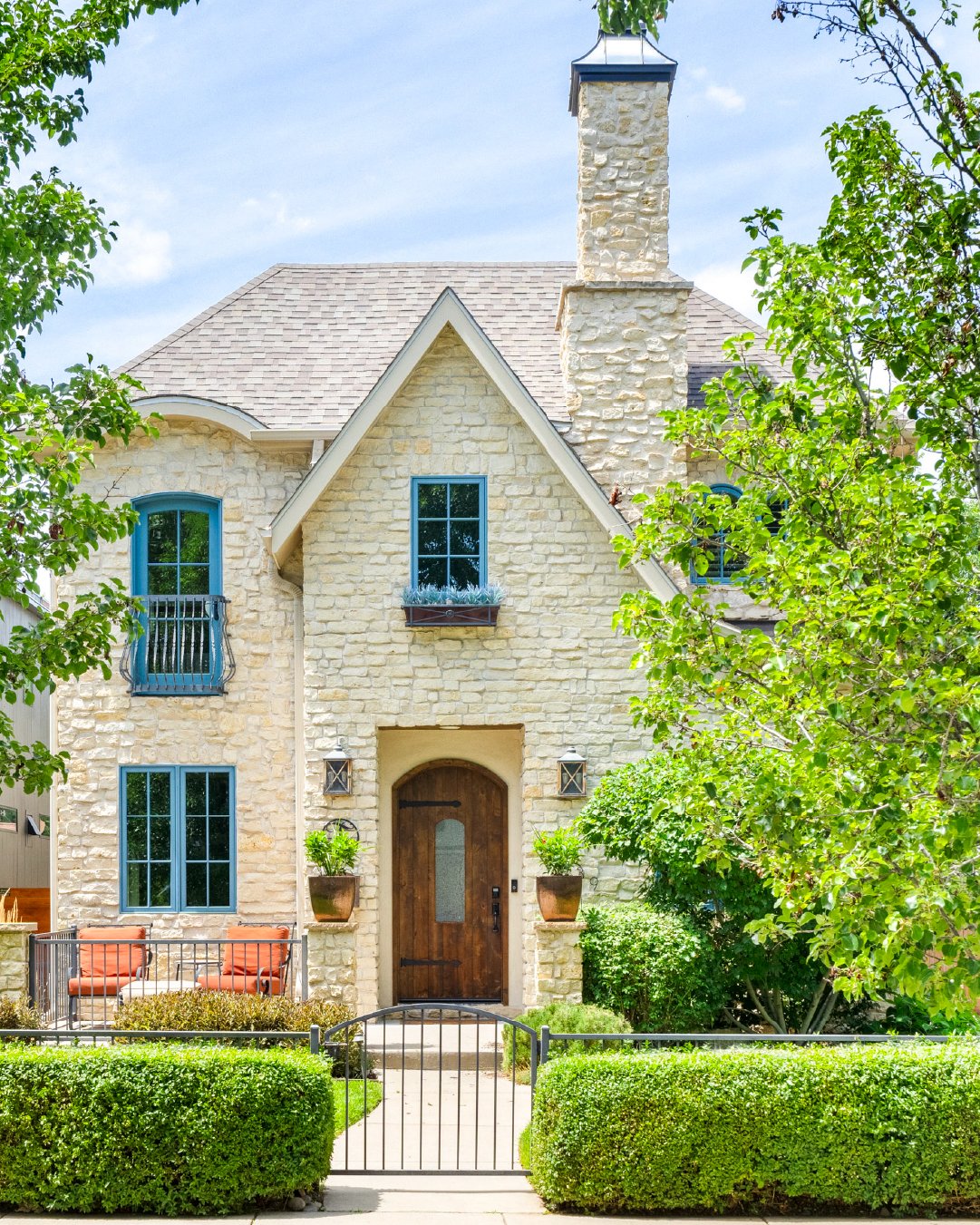
Imagine starting your day with a lap around the lakes, then strolling to coffee on Gaylord Street before work. Buying near Washington Park can deliver that lifestyle, but the decisions move fast and prices vary block by block. You want clarity on value, house types, and how to write a winning offer without taking on unnecessary risk. This guide gives you the essentials: current pricing and pace, East vs. West tradeoffs, what to expect from historic homes, and smart offer tactics tailored to Wash Park. Let’s dive in.
Washington Park market snapshot
As of January 2026, the neighborhood shows strong demand with selective competition. Redfin’s January 2026 Washington Park snapshot reports a median sale price near $1,549,000 and describes the area as somewhat competitive, with median days on market in the low teens. That means the best listings can still draw multiple offers.
For a second lens, Zillow’s Home Value Index shows typical Washington Park values around $1.18 to $1.20 million, while Washington Park West trends lower, roughly in the high $800,000s. See the latest figures on Zillow’s Washington Park ZHVI page. These sources measure different things (median sales vs. an index), which explains part of the spread.
What this means for you:
- Expect well-presented homes near the park or on desirable blocks to move quickly.
- Use both recent sales and index trends to set a budget and confirm value on a specific street.
- Prepare for competition on standout listings, but know that buyers have more leverage than in 2020–2021.
What you will find in Wash Park homes
Classic styles and age
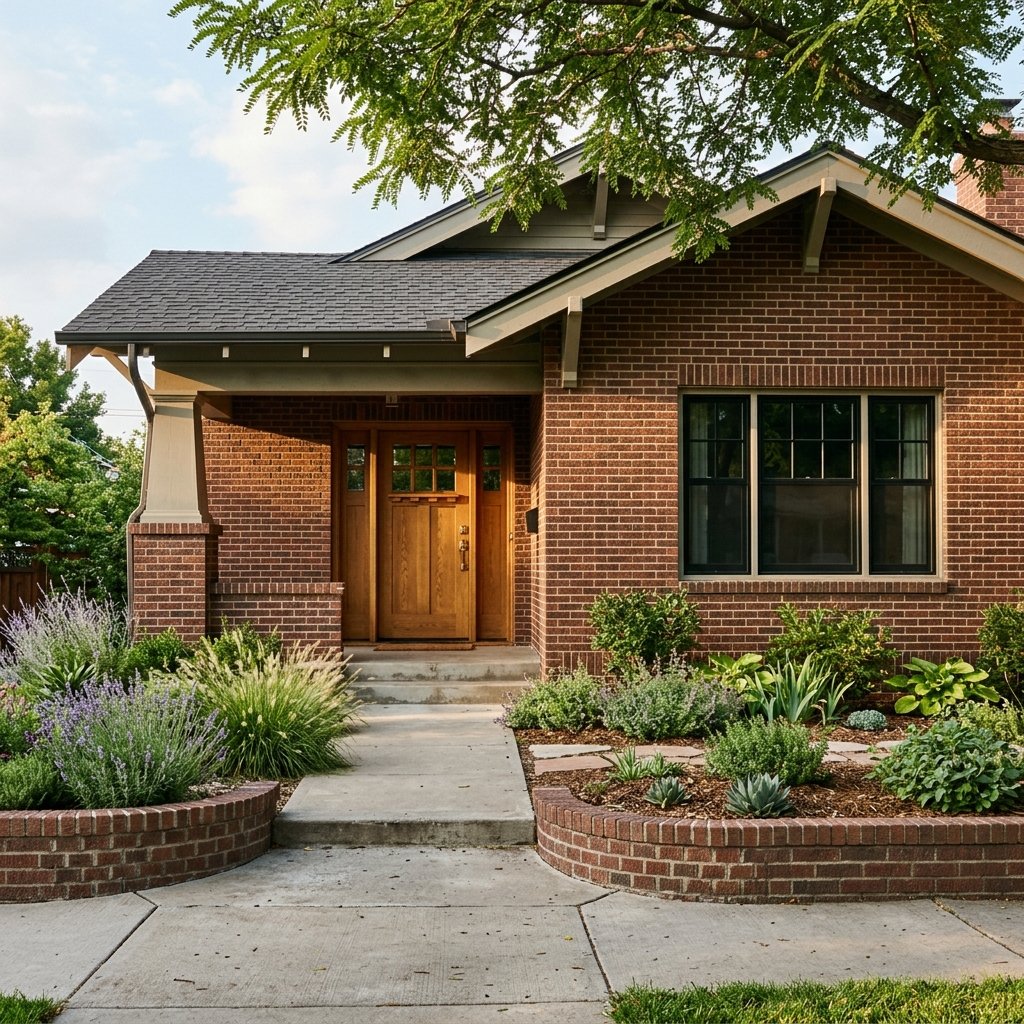
You will see early 20th-century architecture across the neighborhood: Craftsman bungalows, Denver Squares, Tudors, and Dutch Colonial cottages, plus some Spanish-influenced homes and newer infill. Most single-family homes date from about 1900 to 1940, with scattered modern rebuilds. For an overview of local housing stock, see this Washington Park home guide.
Lot sizes that actually show up
Single-family lots commonly range from about 4,000 to 7,000 square feet, with larger parcels more frequent on the east side and around larger remodels. You will also find condos and townhomes on smaller footprints. When comparing comps, use each listing’s lot figure to keep things apples-to-apples.
Inspections and condition basics
Historic charm often brings older systems. Common findings in century-old Denver homes include older or mixed wiring, galvanized or lead-era plumbing, foundation settling or water intrusion, single-pane windows, and dated HVAC or insulation. A specialist inspector who knows Denver’s older stock is worth it; see this historic-homes inspection guide for context. If you expect to renovate, build a realistic budget for systems upgrades in addition to cosmetic work.
East vs. West: choose your pocket
Both sides share direct park access and strong neighborhood identity, but the feel and pricing differ.
- East Wash Park: Often quieter and more residential with larger lots and grander historic homes, especially near the park’s east edge and Gaylord Street. You typically pay a premium for immediate park proximity and boutique retail corridors.
- West Wash Park: Generally offers a lower entry price while keeping the Wash Park lifestyle, with many Craftsman bungalows and convenient access to South Broadway’s shops and dining. Zillow’s index shows a meaningful value difference from East, which aligns with smaller lots and different housing mix.
Adjacent options worth a look:
- Platt Park to the south has a similar vibe in places and slightly lower typical values than East Wash Park. Check Zillow’s Platt Park ZHVI for a quick comparison.
- Cherry Creek and Belcaro to the east and northeast skew more luxury with refined retail and higher price points.
- Baker and the South Broadway corridor bring a more eclectic, urban feel.
If you plan to renovate or rebuild, note that much of Wash Park uses single-unit urban zoning such as U-SU-C. Both sides of the neighborhood also have active associations that track planning and public-space projects. You can learn more about local organizing on the West Washington Park Neighborhood Association site. Always confirm zoning and lot rules with the City before assuming subdivision or teardown economics.
How park proximity influences value
Research is clear that well-maintained parks and green space often raise nearby home values, with the effect tapering as distance grows. A recent review of empirical studies summarizes positive impacts with distance-decay patterns; see this peer-reviewed meta-analysis on park proximity and prices for context. Locally, Washington Park’s premium over nearby micro-areas supports the idea that park access matters, although the exact premium varies by street, lot, and house type. Use recent comps plus index data when pricing a specific home near the park.
Win the house without overreaching
Prepare before offers
- Secure a strong pre-approval, ideally fully underwritten if possible. Sellers and listing agents value reputable local lenders. See buyer prep tips in this guide to succeeding in competitive markets.
- Line up proof of funds and draft a clean, professional offer package your agent can submit fast.
Use tools that increase certainty
- Consider an escalation clause that caps your top price while outbidding competing offers in defined steps. Learn how it works in this offer strategies overview.
- Signal commitment with a larger earnest money deposit and straightforward terms. In higher price bands, many buyers target 3 to 5 percent EMD; see this earnest money and offer strategy explainer.
Calibrate contingencies, do not overwaive
- Older homes deserve inspection. Instead of waiving entirely, consider a pre-offer or quick inspection, an informational-only approach, or a shorter window that focuses on major systems. Read cautionary guidance in Redfin’s inspection waiver article.
- If you offer above recent comps, prepare for appraisal risk. An appraisal-gap plan, capped to a specific amount you are comfortable covering, can help your offer win while managing exposure. See the gap and contingency strategies in the same offer tactics resource.
Win on terms, not just price
- Ask what matters to the seller before writing. A flexible closing, a short rent-back, or simpler contingencies can beat a slightly higher price that is harder to close. Personal cover letters should be used with care and in line with fair housing guidance.
Lean on local experience
In tight pockets like Wash Park, operational certainty matters as much as dollars. Local listing agents look for lender and agent teams that close on time with minimal drama. Include solid references, a clear timeline, and a professional packet to stand out.
Buyer checklist for Wash Park confidence
- Get pre-approved with a trusted lender and assemble proof of funds.
- Decide your pocket: East for larger lots and prime park adjacency, West for value and access to South Broadway.
- Price check with current comps and indexes. Use Redfin’s sales snapshot and Zillow’s ZHVI to set a top number you can live with.
- Choose an inspection strategy that protects you while staying competitive on older homes.
- Define your offer playbook: escalation rules, EMD, appraisal-gap cap, and timing.
- Confirm zoning and any neighborhood association items if you plan to rebuild or add on.
- Tailor terms to the seller’s priorities before you submit.
Ready to move from browsing to winning? We pair hyperlocal market insight with construction-savvy guidance so you buy with clarity and confidence. If you are planning a search near the park, reach out to the Linkow Baltimore Team to start a tailored plan and tour strategy.
FAQs
What is the current price to buy near Washington Park?
- As of January 2026, Redfin reports a Washington Park median sale price near $1,549,000, while Zillow’s index shows typical values around $1.18 to $1.20 million, with Washington Park West lower.
How competitive is the Washington Park market right now?
- Redfin labels it somewhat competitive with median days on market in the low teens, so the best homes near the park can still see multiple offers.
What home styles and ages are most common in Wash Park?
- Expect early 1900s houses like Craftsman bungalows, Denver Squares, and Tudors, plus selective newer infill; most single-family homes date from about 1900 to 1940.
What inspection issues are typical in older Wash Park homes?
- You may encounter older wiring, galvanized or lead-era plumbing, basement moisture, single-pane windows, and dated insulation or HVAC; plan for potential systems upgrades.
How does being closer to the park affect home prices?
- Studies show proximity to quality parks often raises values with effects that decline with distance; locally, Wash Park’s premium over nearby pockets reflects that amenity plus lot and home-size differences.