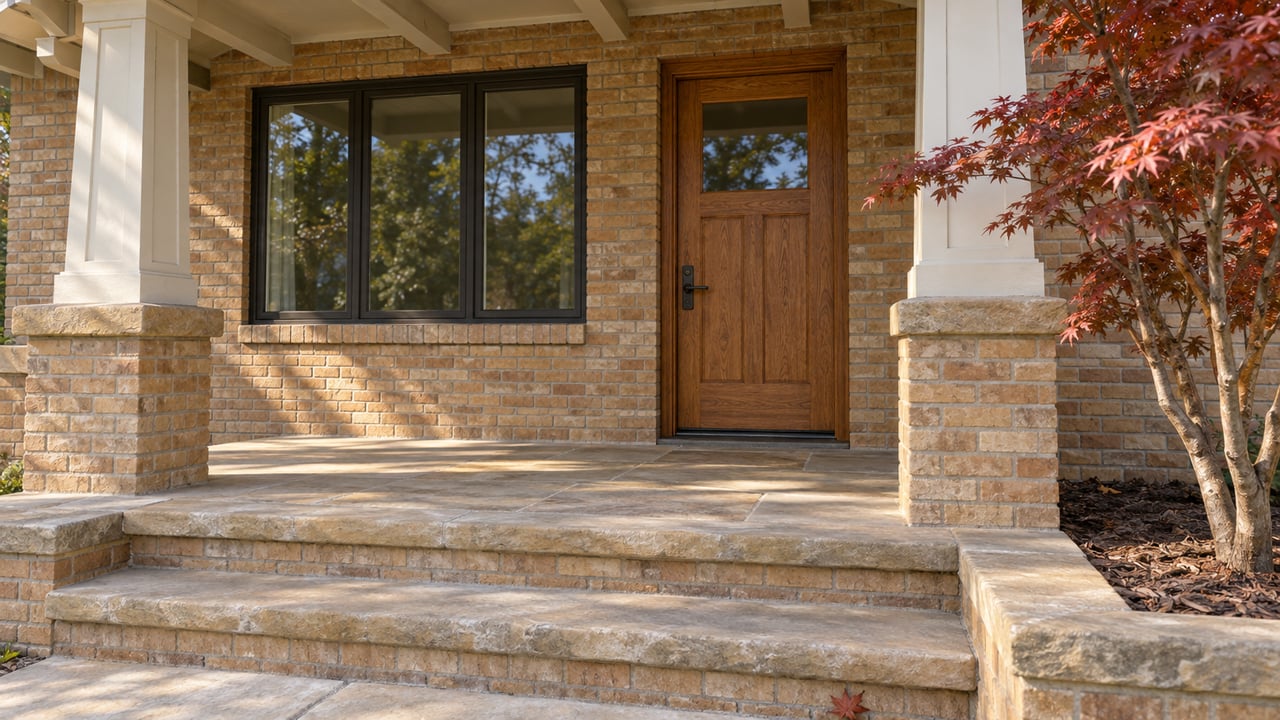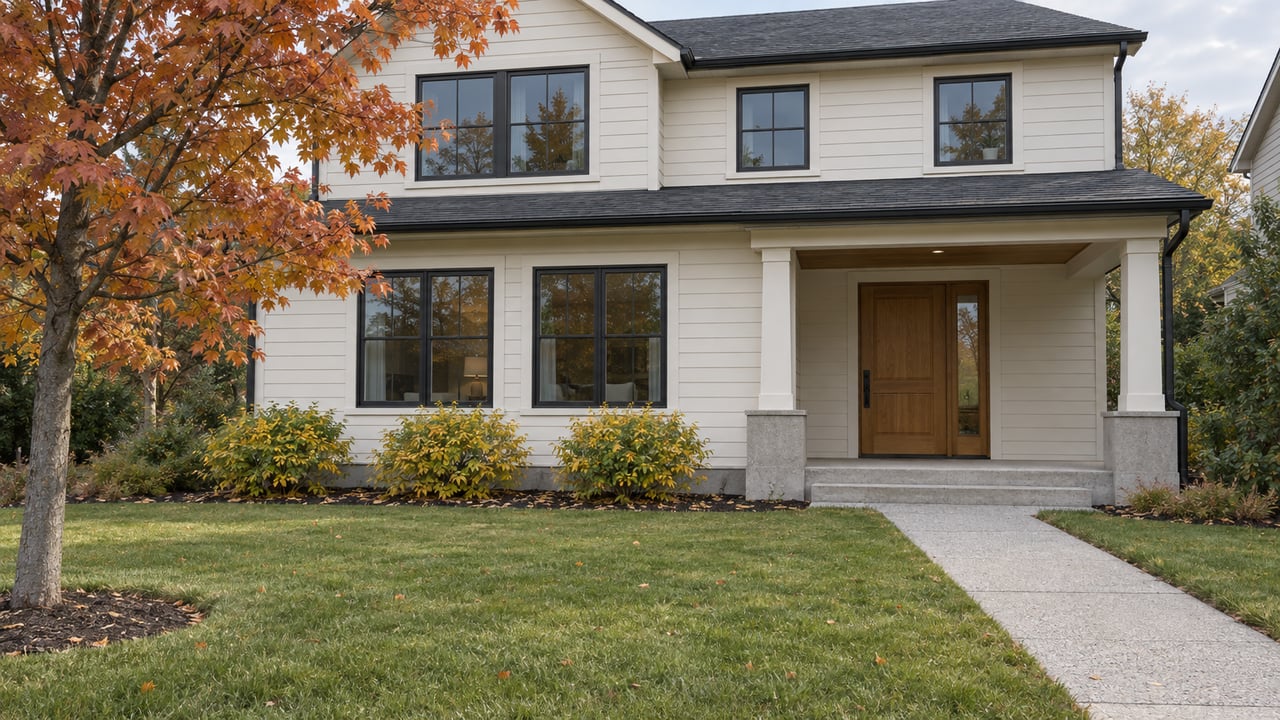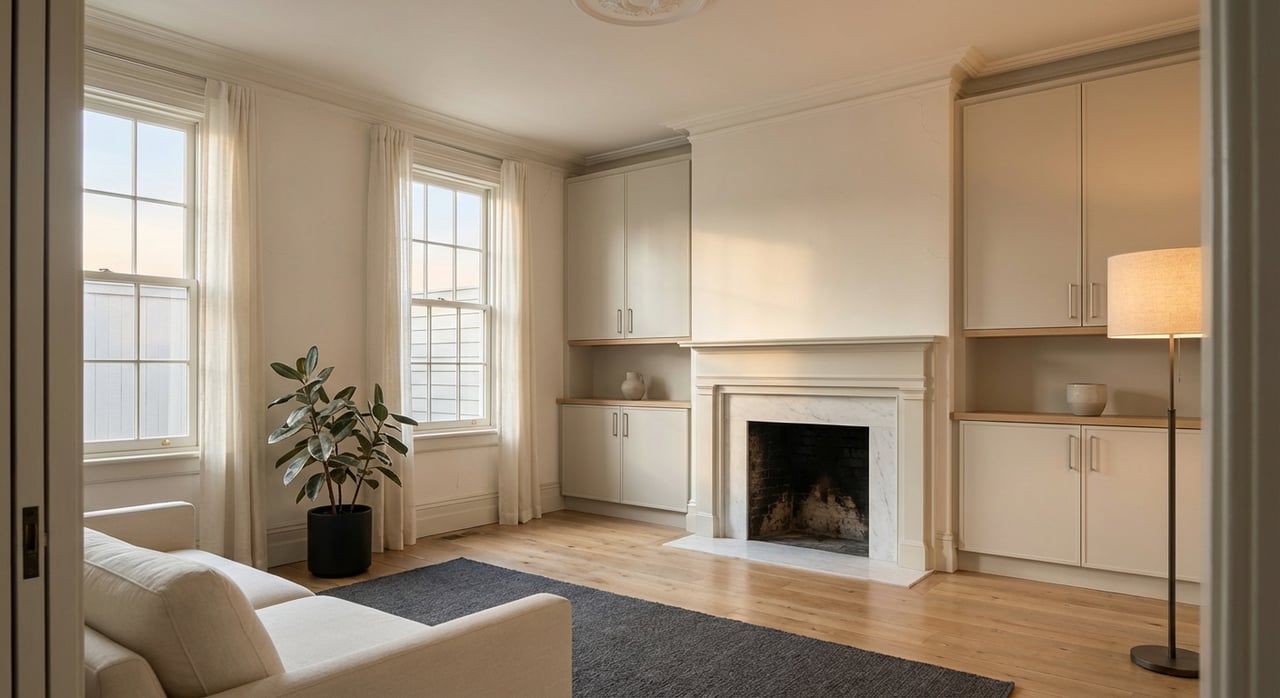
You know the feeling when a home has that unmistakable sense of place. If you own on East 7th Avenue or nearby streets in Congress Park, you already live with that charm every day. Selling that same character takes a thoughtful plan, from approvals to pricing to presentation. In this guide, you’ll learn what makes this district unique, which projects need city review, how to prep without losing historic value, and how to bring your home to market with confidence. Let’s dive in.
Why 7th Avenue status matters
The East 7th Avenue Historic District is one of Denver’s largest and most architecturally diverse areas. It runs roughly from Logan Street to Colorado Boulevard and from East 6th to East 8th Avenues, including the landscaped parkway that gives the corridor its identity. You can explore the district’s history and notable homes through the Denver Public Library’s neighborhood overview, which outlines its architectural variety and significance. Learn more about the district’s background.
For sellers, the designation is both a selling point and a set of rules. The parkway setting, mature canopy, and classic architecture attract buyers who value authenticity. At the same time, exterior changes are reviewed by the city to protect the district’s character. That means documenting original features, saving prior approvals, and being ready to explain what was updated over time. The parkway itself is recognized nationally, and its landscape elements are part of the area’s significance. See the listing for the East 7th Avenue Parkway in the National Register and an architectural summary from SAH Archipedia for context.
What needs approval in Denver
Who reviews and what they use
Exterior work in Denver’s historic districts is reviewed by Landmark Preservation staff and the Landmark Preservation Commission. They use the Secretary of the Interior’s Standards and local design guidelines to evaluate proposals. Approval is documented in a Certificate of Appropriateness, which you include with building and zoning permits. Read about the Landmark design review process and the Secretary of the Interior’s Standards.
What triggers review
Projects visible from the public right of way typically require review. Common examples include:
- Additions and partial demolitions
- Changes to primary facades, porches, and roofs
- New or altered garages, fences, and site work
- Window replacements visible from the street
- New construction
Interior-only work that is not visible from the street is generally not subject to landmark review. Confirm your scope with Landmark staff before starting anything. See the city’s guidance on Landmark design review.
Review paths and timelines
Denver offers multiple review paths. Simple, guideline-compliant items may qualify for Quick Review, which can be issued in a few business days. Administrative Review typically takes around 10 business days for an initial evaluation, followed by a short turnaround for approvals if your submittal meets guidelines. More complex proposals go to the Commission at a public hearing, which can add weeks depending on the calendar and completeness. If you plan pre-list exterior work, start early. See how to apply for Landmark design review.
Parkway-specific considerations
Homes facing the East 7th Avenue Parkway sit within a designated parkway corridor. Projects that affect setbacks, median views, or plantings may need extra coordination, and some proposals, like ADUs, can trigger special review. If your property fronts the parkway, speak with staff before planning exterior changes. Review the city’s overview for ADU permits alongside Landmark requirements.
Pre-list checklist for sellers
Document character-defining features
Create a simple inventory of original features. Include built-in millwork, pocket doors, mantels, staircases, flooring, stained glass, porch details, historic windows and hardware, and any outbuildings. Capture clear photos and a short notes list. This helps both marketing and buyer confidence. The Denver Public Library’s profile of the district offers helpful style context for your notes. See the history overview.
Assess safety and core systems
Buyers expect safe, functional systems. Before listing, have a qualified professional assess the roof, foundation, HVAC, electrical panel, plumbing, and visible structure. Address clear safety items early. If any exterior repair is visible from the street, confirm whether design review applies before you pull permits. The city explains how to apply for Landmark design review.
Complete required disclosures
If your home was built before 1978, federal lead-based paint rules apply. You must provide the EPA pamphlet, disclose known information, and offer a 10-day inspection period unless waived by the buyer. Review the EPA’s Title X disclosure rule. Colorado also uses Commission-approved contracts and disclosure forms, including lead disclosures. Confirm you have the correct state documents by visiting the Colorado Division of Real Estate’s forms page.
Preserve value with smart repairs
Tackle urgent maintenance first
Serious issues like roof leaks, chimney problems, moisture intrusion, or unsafe stairs and porches can derail offers and appraisals. Prioritize these items before cosmetic projects. If fixes affect exterior appearance, coordinate with Landmark staff and secure approvals before permits. Start here to apply for Landmark design review.
Repair original windows when feasible
Original wood or metal windows are often repairable. Weatherstripping, reglazing, and sill repair can improve comfort while preserving character. Preservation guidance generally favors repair before replacement because it retains historic fabric and appeals to buyers who value authenticity. Explore practical tips on historic window repair approaches. If replacement is truly necessary, like-for-like solutions that match profiles and sightlines, paired with documented approvals, can keep your listing competitive.
Boost comfort with reversible upgrades
Buyers want efficiency and comfort, and you can deliver that without erasing history. Consider interior storm windows, air sealing, and insulation in accessible areas that do not harm character. The National Park Service outlines ways to improve performance while respecting historic features. Review the NPS guidance on sustainability and energy efficiency for historic buildings.
Pricing and appraisal strategy
Historic homes often sit outside the cookie-cutter comp set. When you price, focus on truly comparable sales from similar eras, similar contributing status, location context like parkway frontage, and condition. Unique details can justify premiums, while deferred maintenance or unpermitted alterations can reduce value. If your home is especially distinctive, discuss whether a pre-listing appraisal by a professional experienced with historic properties could help set expectations and reduce surprises during underwriting.
Expect appraisers and buyers to ask about major systems, window condition, roof age, and any exterior changes that required approvals. Having your documentation packet ready, including prior Certificates of Appropriateness and permits, helps everyone value the home accurately.
Marketing that tells the full story
A 7th Avenue or Congress Park address sells a lifestyle. Professional photography should highlight period details, the parkway and tree canopy, and proximity to cultural anchors like City Park and the Botanic Gardens. Your listing narrative should call out character features you documented, then connect them to daily living, like morning light in the sunroom or the scale of the front porch for gatherings.
At the same time, reassure buyers that comfort meets character. Spotlight system upgrades, reversible efficiency improvements, and any sensitive kitchen or bath updates that preserved trim and circulation. When you pair history with livability, you broaden your buyer pool without diluting what makes the home special.
As a team, we put extra care into narrative-led copy, design-forward staging, and polished visuals so your home’s character is the hero. We also coordinate the details behind the scenes, from contractor timing to approvals, so your launch is smooth and confident.
Timeline to list
Use this simple sequence to stay on track:
Weeks 1–2: Discovery and documentation
- Inventory character features, gather prior approvals, and schedule system assessments.
- If exterior work is planned, request a Landmark staff conversation and determine the review path.
Weeks 2–5: Approvals and repairs
- Apply for the appropriate design review, then secure permits as needed.
- Complete safety and system fixes first, then any targeted cosmetic refreshes.
Weeks 4–6: Staging and storytelling
- Style to complement historic architecture, not hide it.
- Produce professional photography, floor plans, and a narrative that connects features to lifestyle.
Week 6+: Launch and negotiate
- Bring the listing to market, monitor feedback, and be ready with documentation for questions about the district and prior work.
Incentives and credits to know
Federal historic rehabilitation tax credits are aimed at income-producing properties, and owner-occupied single-family homes generally do not qualify. If you are considering a certified rehabilitation that could change your home’s future use, read the federal program overview and speak to Landmark staff early.
Colorado offers state historic preservation income tax credits for qualifying projects that meet program thresholds and adhere to local approvals. Start with the city’s page on state historic preservation income tax credits to understand basics and application timing.
If you are exploring preservation easements for long-term protection, the National Trust explains how easements work and what to consider. Read their overview on preservation easements.
Common pitfalls to avoid
- Starting exterior work without approvals. If it is visible from the street, check Landmark rules first.
- Removing original elements that could be repaired. Window and trim repair often protects value.
- Ignoring parkway rules. Parkway-fronting properties face added scrutiny on setbacks and site work.
- Skipping lead-based paint steps. Pre-1978 homes require specific federal disclosures.
- Pricing from non-comparable sales. Account for era, location, condition, and contributing status.
Next steps
Selling a historic home is part preparation, part storytelling, and part precision. With the right approvals, smart repairs, and polished marketing, you can honor your home’s character and maximize your result. If you are considering a move in Congress Park or along East 7th Avenue, let’s create a plan that fits your timeline and goals. Start with a Free Home Valuation and a conversation with the Linkow Baltimore Team.
FAQs
What is the East 7th Avenue Historic District in Denver?
- It is a large, locally designated district that runs roughly from Logan Street to Colorado Boulevard and from East 6th to East 8th Avenues, including the landscaped parkway. Learn more from the Denver Public Library’s overview.
Do you need a Certificate of Appropriateness to replace windows on 7th Avenue?
- If your window changes are visible from the street, you likely need landmark design review and a Certificate of Appropriateness. Confirm your scope with staff via the city’s Landmark design review page.
How long does Denver landmark review take before listing?
- Simple projects that meet guidelines may receive Quick Review in a few business days, while Administrative Review typically involves about 10 business days for an initial check. Complex items may go to the Commission and take several weeks. See how to apply for design review.
Are there tax credits for historic homes in Denver?
- Owner-occupied single-family homes generally do not qualify for the federal rehabilitation tax credit, which focuses on income-producing properties. Colorado offers state historic preservation income tax credits for qualifying projects. Review the city’s page on state tax credits and the federal program overview.
What should you disclose when selling a Denver landmark property?
- Disclose the property’s historic designation, provide any prior Certificates of Appropriateness and permits, and complete state and federal forms for items like lead-based paint when applicable. See the city’s Landmark Preservation overview, the Colorado forms page, and the EPA’s lead disclosure rule.