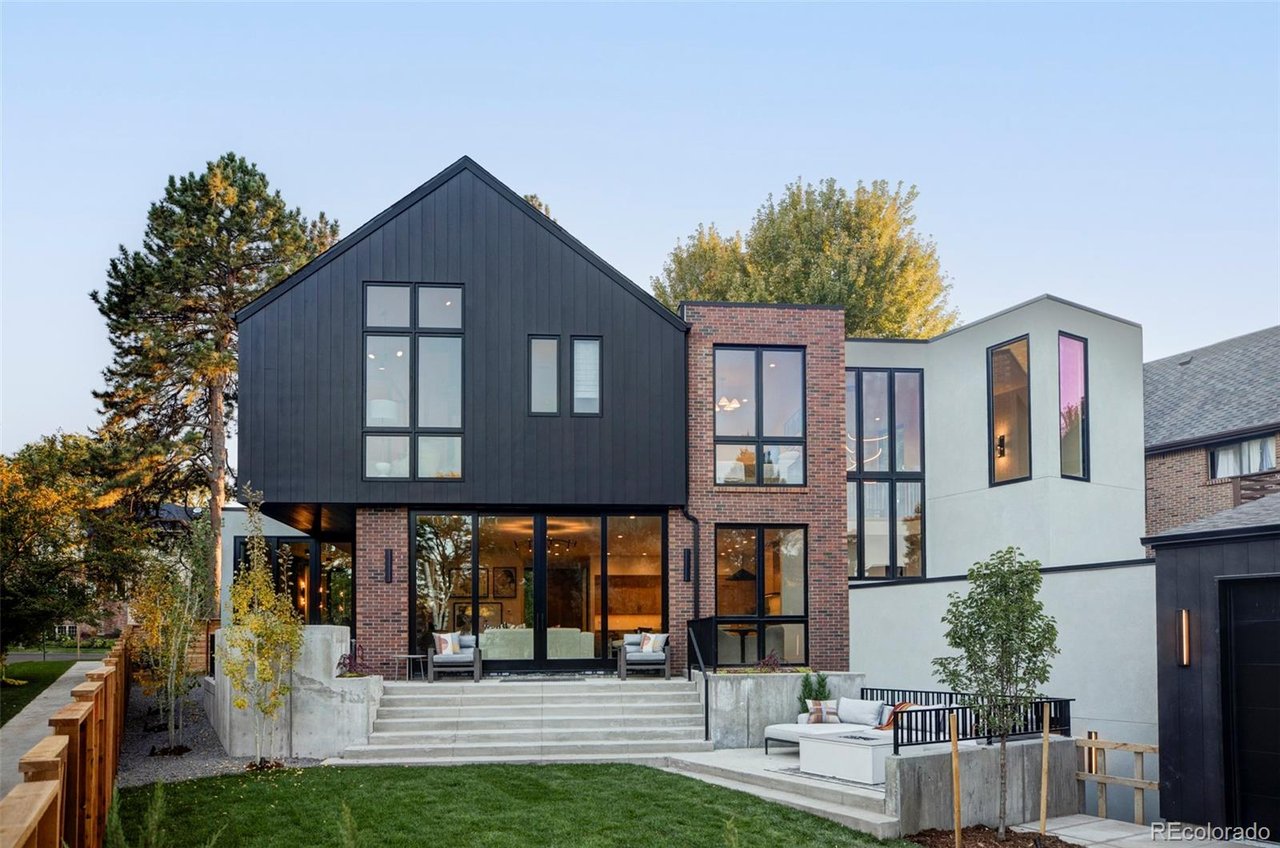
Thinking about adding a second story to your Bonnie Brae bungalow or just moving to a larger home? You are not alone. Many 80209 homeowners want more bedrooms, a better layout, or a home office without giving up the neighborhood they love. In this guide, you will learn how to compare a pop-top to selling and buying, what to check first with the city, the true timeline and disruption, and a practical checklist to help you decide with confidence. Let’s dive in.
What a pop-top means in 80209
A pop-top is a major remodel that removes your roof and builds a full second floor or a large portion of one. It is more complex than an attic conversion or dormer because it requires new structural loads, stair placement, and full mechanical upgrades.
Typical goals include adding bedrooms and bathrooms, opening the main level, and creating more livable square footage. The trade-offs are high cost, a longer timeline, and significant disruption. Your decision hinges on whether your lot, structure, and zoning can support the addition, and whether the value you gain is worth the investment compared to moving.
Start with zoning and overlays
Before you sketch a plan, verify what the City and County of Denver will allow on your parcel. Every lot has a specific zoning designation with rules for height, setbacks, floor area, lot coverage, and on-site parking. These standards determine if a second story is permitted by right or if you will need special review.
- Confirm maximum building height, front and side yard setbacks, and any floor-area ratio or lot coverage caps.
- Check for conservation or historic overlays that may limit exterior changes or require design review. Visible street-facing changes tend to draw more scrutiny.
- Review easements, trees, and utilities. Sewer lines, storm infrastructure, and heritage trees can constrain your addition’s footprint.
Expect a staged city process: a pre-application conversation, planning or design review when required, building permits, and inspections. Modest projects may clear reviews in weeks. A full pop-top can sit in review for months, especially if design review or neighborhood feedback is part of the path. Build that time into your plan.
Bonnie Brae house realities
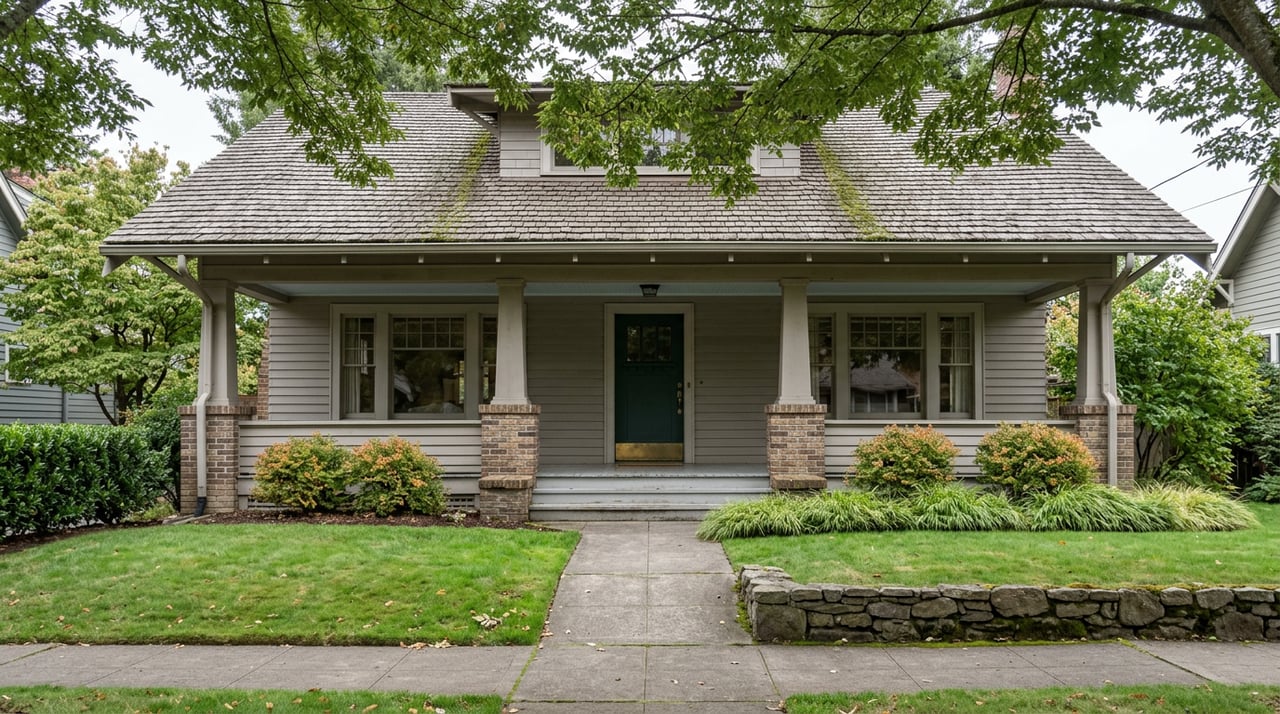
Many Bonnie Brae homes are early-20th-century bungalows, cottages, or Tudors on narrower lots. A pop-top needs to fit that context while meeting code and structural requirements.
- A structural engineer’s assessment is essential. Older foundations and framing often need reinforcement to carry a new floor. Underpinning, shear walls, and new beams add complexity and cost.
- Full pop-tops usually involve removing the entire roof, reframing, installing a stair, and updating HVAC, plumbing, and electrical. Maintaining older systems is rarely feasible once you expand.
- Be prepared for hazardous materials like lead paint or asbestos in older homes. Abatement adds time and cost.
- Narrow lots complicate staging, crane access, and deliveries. You may need temporary street or sidewalk permits, and you should plan for noise, dust, and parking impacts.
Time and lifestyle disruption
A realistic pop-top timeline includes several distinct phases. Your project may vary, but most follow a similar flow:
- Pre-design and feasibility: 1 to 6 weeks
- Design and permit drawings: 6 to 12 or more weeks
- Plan review and permitting: 4 to 12 or more weeks
- Construction: 3 to 9 or more months
- Inspections and final sign-off: 1 to 4 weeks
Living in place during the entire build is tough. Many owners choose to move out for demolition and rough framing due to noise, safety, and loss of kitchen and baths. Budget for temporary housing if you plan to stay local. Also factor in common schedule risks like permit delays, winter weather, material lead times, and contractor availability.
The financial comparison
You will want to build two scenarios side by side: the full cost of a pop-top and the net cost to sell and buy a replacement home.
Key pop-top cost components to estimate:
- Design and engineering fees for architect and structural or MEP consultants
- Permit and plan review fees
- Demolition and any hazardous-material abatement
- Foundation reinforcement and structural framing
- Roofing, windows, exterior cladding, and weatherproofing
- Interior finishes, kitchen and baths, flooring, paint
- HVAC, electrical service upgrades, and plumbing
- Site work, landscape restoration, driveway, and curb repairs
- Soft costs such as temporary housing, construction insurance, and a contingency (often 10 to 20 percent or more)
- Financing and carrying costs during construction, including interest, taxes, and insurance
Costs vary widely by scope, structure, and finish level. Urban infill construction in central Denver can run higher than suburban builds because of staging and reinforcement needs. Get multiple bids and a detailed line-item estimate to reduce surprises.
On the value side, the uplift depends on demand for larger homes in 80209, how well your second story integrates with neighborhood character, and overall construction quality. Ask a local agent for a comparative market analysis of recent 80209 sales at your target square footage and features. Use those comps to estimate an after-renovation value.
If you consider selling and buying instead, quantify all line items:
- Seller costs such as agent commissions, closing costs, and prep or repairs
- Buyer costs including down payment and closing fees for the next home
- Mortgage rate differences and monthly payment changes
- Moving, storage, and potential temporary housing
Financing options for a pop-top may include construction-to-permanent loans, standalone construction loans, renovation mortgages like FHA 203(k) and Fannie Mae HomeStyle (eligibility varies), a home equity loan or HELOC, cash-out refinance, or savings. Speak with local lenders who know Denver renovation loans to compare total costs and monthly cash flow.
Major improvements generally increase your assessed value, which can raise property taxes in future reassessments. Keep records of improvements, since they add to your cost basis when you eventually sell.
Selling and buying can be faster than a ground-up rebuild, though a competitive market may require interim housing or bridge solutions. A pop-top often takes several months and brings disruption, but it lets you keep your address and daily routines once complete.
Quick viability checklist
Use this first-pass filter before you invest heavily in design:
- Verify zoning, height, and setbacks for your parcel and whether a second story is allowed.
- Check for any historic or conservation overlay and what it requires.
- Identify site constraints like easements, trees, and utility locations.
- Commission a structural review to understand foundation and framing capacity.
- Get a preliminary budget from an architect and contractor.
- Ask for an agent-prepared CMA using 80209 comps at your target size to estimate after-renovation value.
If big red flags appear, you may save time by shifting to a move scenario early.
Questions to ask your architect and contractor
- Have you completed pop-top projects in central Denver or 80209? Can you share references and photos?
- How will you handle staging, dust control, noise mitigation, and neighbor access on a narrow lot?
- Do you offer fixed-price or cost-plus contracts, and how are change orders handled?
- What is the proposed schedule, and what are the critical milestones?
- What contingencies do you recommend for unforeseen structural issues or lead times?
Choose to pop-top when
A pop-top may be the better path if the following align:
- Zoning and structure support a second story without extraordinary variances.
- The total cost is meaningfully lower than moving when you include all soft costs.
- You highly value staying in Bonnie Brae and plan to own for at least 5 to 7 years.
- The design improves livability and fits the neighborhood context.
Choose to move when
Moving may make more sense if you face any of these triggers:
- Zoning, overlays, or design requirements make a second story impractical or too costly.
- Foundation or utilities need extensive upgrades beyond your budget or timeline.
- Your ownership horizon is short, or the financial math favors purchasing a bigger home now.
- You prefer a faster, less disruptive path to more space.
Next steps for Bonnie Brae owners
Follow a simple, staged plan to reach a confident decision:
- Confirm zoning and any landmark restrictions for your address with Denver planning staff.
- Arrange a structural and site assessment to uncover major constraints early.
- Obtain an initial scope and budget from an architect and one or two contractors.
- Ask your agent for a CMA showing likely value after renovation, and compare it to estimated net proceeds if you sold today.
- Talk with local lenders about renovation and purchase financing to compare monthly payments and cash needs in each scenario.
- If the numbers and timeline work, begin schematic design and schedule a pre-application conversation with the city to clarify review steps.
Staying in Bonnie Brae while gaining real space is appealing. So is the speed and simplicity of buying a larger home that already fits your needs. With the right planning, you can choose the path that best supports your family, finances, and long-term goals.
Ready to run the numbers for your home and see the most likely outcomes? Connect with the Linkow Baltimore Team for a neighborhood-specific CMA, guidance on pop-top versus move trade-offs, and introductions to trusted local pros.
FAQs
Can I add a second story to my Bonnie Brae home?
- It depends on your parcel’s zoning, height limits, setbacks, and any historic or conservation overlay; confirm allowances with Denver’s planning and development staff before designing.
Can neighbors stop my pop-top in 80209?
- Neighbors can comment during certain planning or historic reviews, but if your project meets code, they typically cannot unilaterally block it, though feedback can add time to approvals.
How much will a pop-top affect my Denver property taxes?
- Major improvements generally increase assessed value and property taxes in future reassessments; check with the Denver Assessor’s Office for details on how improvements are evaluated.
What financing options exist for a pop-top in Denver?
- Common options include construction-to-permanent loans, renovation mortgages like FHA 203(k) and Fannie Mae HomeStyle, standalone construction loans, HELOCs, cash-out refinances, and savings, subject to eligibility.
How long might I be out of my house during construction?
- Many owners move out during demolition and rough framing due to safety and lack of utilities; plan for several weeks to months of temporary housing depending on scope and schedule.