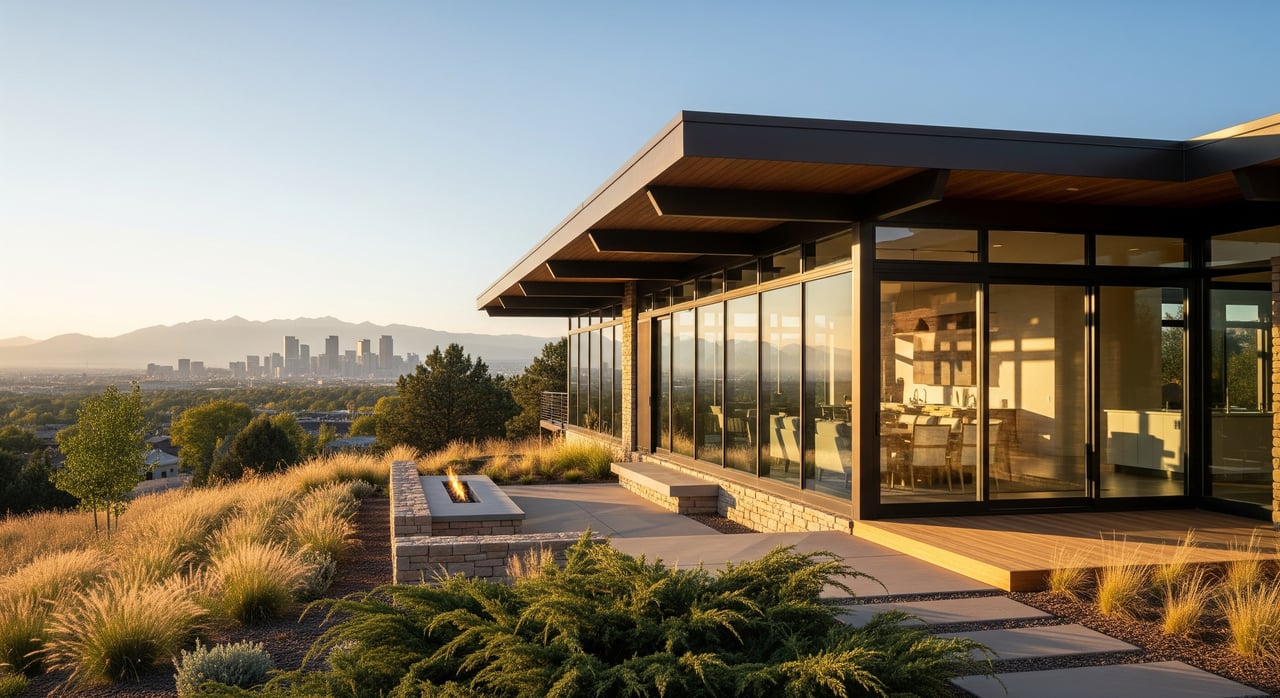
Thinking about updating your Hilltop mid-century home but worried about losing its soul? You’re not alone. The glass walls, low rooflines, and indoor-outdoor rhythm are what make these homes special, yet Denver’s climate and hillside lots add real-world pressures. In this guide, you’ll learn practical, preservation-first strategies tailored to Hilltop that improve comfort, efficiency, and durability without erasing the character you love. Let’s dive in.
What defines Hilltop mid-century homes
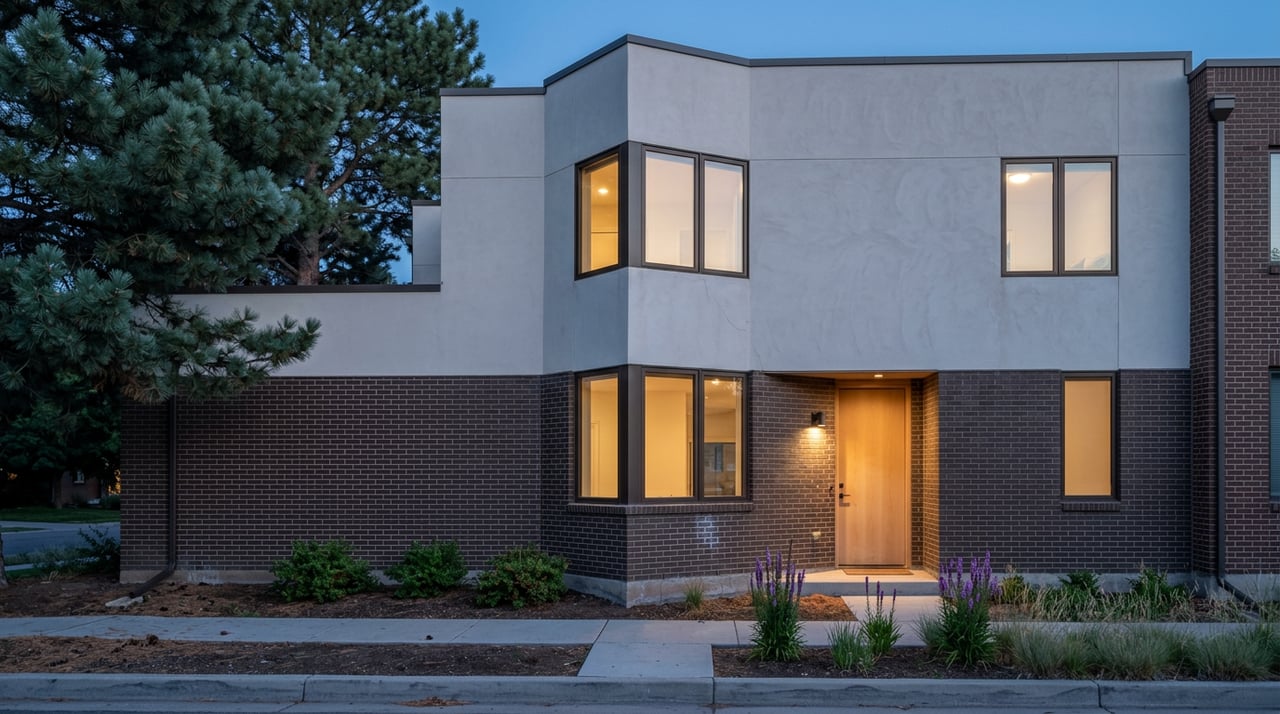
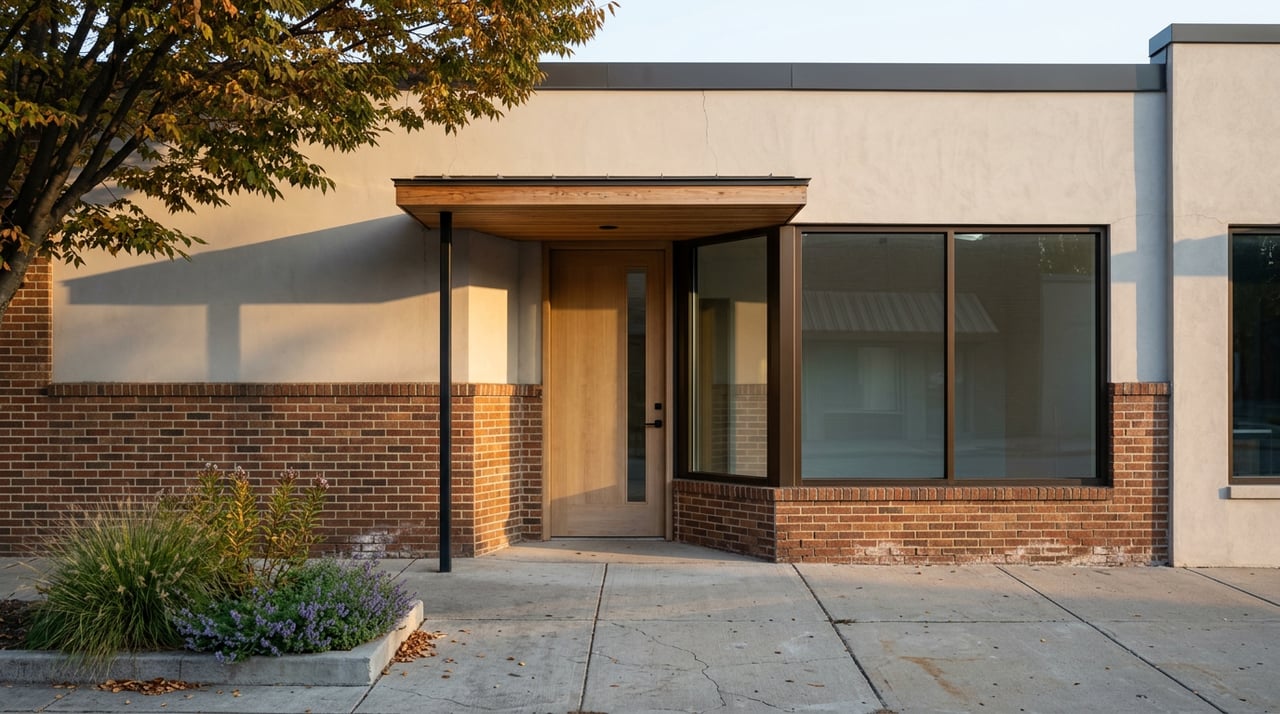
Hilltop’s mid-century homes often feature low or shallow-pitched roofs, broad overhangs, and integrated carports. You’ll see large spans of single-pane glass, clerestory windows, sliding doors, and open floor plans with exposed beams and built-ins. Natural materials like stone, wood, and terrazzo are common, along with simple geometric forms and strong indoor-outdoor connections.
The “Hilltop” name reflects real topography. Many properties sit on sloping lots with front-to-back grade changes, retaining walls, and steep drive approaches. Add Denver’s continental, semi-arid climate and you have specific demands: roofing and flashing that handle snow and freeze–thaw, glazing that manages solar heat gain and UV, and drainage that protects foundations from seasonal soil movement.
Start with a preservation plan
A preservation-first approach helps you protect value and authenticity. Identify the character-defining elements of your home and plan to repair rather than replace whenever possible. When replacement is necessary, choose materials and profiles that match the original appearance while improving performance.
Document character-defining features
Begin with a thorough condition assessment. Photograph and catalog original features like exposed beams, window walls, built-in cabinetry, stone or terrazzo floors, and distinctive roof edges and overhangs. Evaluate roofing, structure, foundations, windows, finishes, mechanicals, and site drainage so you can set priorities based on risk and impact.
Repair before replacing
Mid-century materials respond well to careful repair. Wood elements can often be consolidated or patched while matching grain and finish. Stone, brick, and terrazzo can be repointed, patched, or leveled to conserve original material. Use breathable coatings suited to the substrate and test historic layers when you want a precise color match.
Windows and glazing upgrades
Window walls and clerestories are central to the mid-century look, so bulky replacements can unintentionally change the façade. Consider options that preserve thin sightlines while boosting performance.
Keep sightlines, boost performance
Start by repairing frames and sashes, then add weather-stripping to reduce air leakage. Interior or exterior storm windows can significantly improve thermal performance without altering the exterior. If you must replace units, choose thin-profile, high-performance models custom-made to match original sightlines and edge details. Prioritize low U-factors, appropriate Solar Heat Gain Coefficients, and tight air-leakage ratings.
Managing sun, heat, and UV
Denver’s strong sun and large temperature swings call for careful glazing choices. Low-e or laminated glass can cut heat gain and protect interiors from UV without darkening the glass unnecessarily. Maintain or restore deep overhangs that shade glass and reduce cooling loads while keeping the classic silhouette.
Roofs, overhangs, and moisture
Flat and low-slope roofs are typical in Hilltop and require robust waterproofing. Use durable membranes and well-designed flashings, especially at edges and penetrations. Ensure positive drainage with correctly sized scuppers and downspouts, and consider snow guards where exposure demands it. Preserve the roofline, fascia, and overhang proportions that define the architecture while upgrading the assembly for longevity.
Insulation and air sealing for Denver
Denver aligns with colder, mid-to-high altitude climate guidance, similar to IECC climate zone 5. Many mid-century homes have limited insulation and notable air leaks at rim joists, window and door perimeters, and mechanical penetrations.
Priorities that pay off
Focus on attic or roof insulation and comprehensive air sealing first. Seal rim joists and foundation edges to reduce cold drafts. For walls, dense-pack or blown-in approaches may be feasible depending on construction, but verify details to avoid moisture traps. Continuous exterior insulation can dramatically improve performance and reduce thermal bridging, though it can alter the exterior appearance and may trigger permit or appearance review.
Plan for ventilation
As you tighten the envelope, provide balanced mechanical ventilation for healthy indoor air. An ERV or HRV helps manage humidity and fresh air without big energy penalties. If you replace combustion appliances or make the home tighter, test for combustion safety and ensure proper combustion air and venting per code.
HVAC and electrical modernization
Right-size HVAC for the improved envelope rather than oversizing. Ductless mini-split heat pumps can deliver zoned comfort where adding ducts would impact exposed ceilings or built-ins. Place equipment and route lines thoughtfully to avoid compromising visible structure.
Electrical systems in mid-century homes may have smaller panels or outdated wiring. Upgrading panels and adding dedicated circuits helps meet modern load demands and current AFCI/GFCI requirements. For plumbing, plan replacements for older copper, galvanized, or lead-soldered lines with minimal disturbance to character features.
Hilltop slope, drainage, and structure
On sloping sites, foundations often use stepped footings, battered walls, or piers. Seasonal soil movement and freeze–thaw cycles can lead to settlement or cracking, so take any signs of movement seriously. Surface water must be directed away from the home and managed carefully across hardscapes, planting beds, and driveways.
Foundations and geotechnical insight
Before additions, major grading, or structural repairs, a geotechnical investigation is strongly recommended. This informs foundation design and reduces the risk of future movement. A structural engineer can translate those findings into a plan that stabilizes the home while respecting its architecture.
Retaining walls and grading
Retaining walls are often structural and may require engineer design and permits. Include drains and weep systems to relieve hydrostatic pressure. Grade the site to shed water away from the foundation and consider French drains where appropriate. Steep drives may need surface treatments that improve traction in icy conditions, and landscaped slopes benefit from erosion-control strategies, especially during snowmelt.
Permits, reviews, and timing in Denver
Renovations in Denver typically require permits based on scope. Common permits include building, mechanical, plumbing, electrical, and roofing. Window and door replacements may require permits if you are changing openings, and site work can trigger grading or retaining wall permits. If your property is a designated landmark or in a historic district, expect additional review by local landmark preservation authorities. Homeowners associations, if present, may also have design covenants.
Plan your sequence to protect the home and control costs: assessment and documentation, design and permit submittal, then exterior envelope and site work before interior finishes. Prioritize weatherproofing and drainage early so interior improvements are not compromised by leaks or moisture.
Who to hire
For sensitive renovations, engage professionals with the right experience. An architect or preservation architect can guide design decisions that respect character. Bring in a structural engineer for foundation, roof, or addition work, and a geotechnical engineer for slope or soil investigations. A licensed general contractor with mid-century and hillside experience, supported by a preservation consultant as needed, helps execute the plan correctly.
Budget, value, and incentives
Preservation-minded work may cost more per unit than generic replacement because it often requires custom fabrication and specialized trades. Energy upgrades like insulation, high-performance windows, and right-sized HVAC increase upfront spend but can reduce operating costs and improve comfort. Some historic properties may qualify for tax credits or preservation grants depending on designation status, and local utilities or state programs may offer rebates for efficient HVAC, heat pumps, or insulation. Check current offerings as you price options.
A smart sequence for your project
- Begin with a condition assessment and photograph character-defining features.
- Hire a preservation-aware architect or consultant for larger projects.
- Obtain a geotechnical report for additions, major grading, or foundation work and engage a structural engineer as needed.
- Address roof, waterproofing, and drainage before interior finishes.
- Explore window repair and storm options before full replacement and match thin profiles if replacements are required.
- Confirm Denver permit needs early and ask about landmark or HOA review where applicable.
- Price out energy upgrades and research available incentives to offset costs.
Ready to plan your update?
If you want to preserve what makes your Hilltop home special while improving comfort and value, you don’t have to choose between design and durability. With a clear plan, the right team, and attention to Denver’s climate and hillside conditions, you can update thoughtfully and confidently. For tailored guidance on what today’s buyers value and how to position your home for resale, connect with the Linkow Baltimore Team. Start with a Free Home Valuation.
FAQs
How do I modernize a Hilltop mid-century without losing character?
- Preserve defining elements like window walls, exposed beams, built-ins, and roof overhangs, and prioritize repair-first strategies with replacements that match original profiles when needed.
Do I need permits to replace windows or a roof in Denver?
- Permit requirements depend on scope, but roofing, structural changes, and window or door replacements that alter openings often require permits, with additional review if the property is designated as a landmark.
What should I address first on a sloped Hilltop lot?
- Start with drainage and foundation considerations by improving grading and water management, then evaluate retaining walls and consult geotechnical and structural professionals for major work.
Is a heat pump a good fit for a mid-century home in Denver?
- Yes, right-sized heat pumps, including ductless mini-splits, can provide efficient zoned heating and cooling while minimizing ductwork and preserving exposed ceilings and beams.
Do I need a geotechnical report for an addition on a hilltop lot?
- A geotechnical investigation is strongly recommended before additions, major grading, or foundation repairs because soil and slope conditions directly affect design and long-term stability.
Will tighter insulation create moisture or air-quality issues?
- It can if ventilation is not planned, so pair air sealing and insulation with balanced mechanical ventilation (ERV or HRV) and ensure combustion appliances are properly vented and supplied with combustion air.