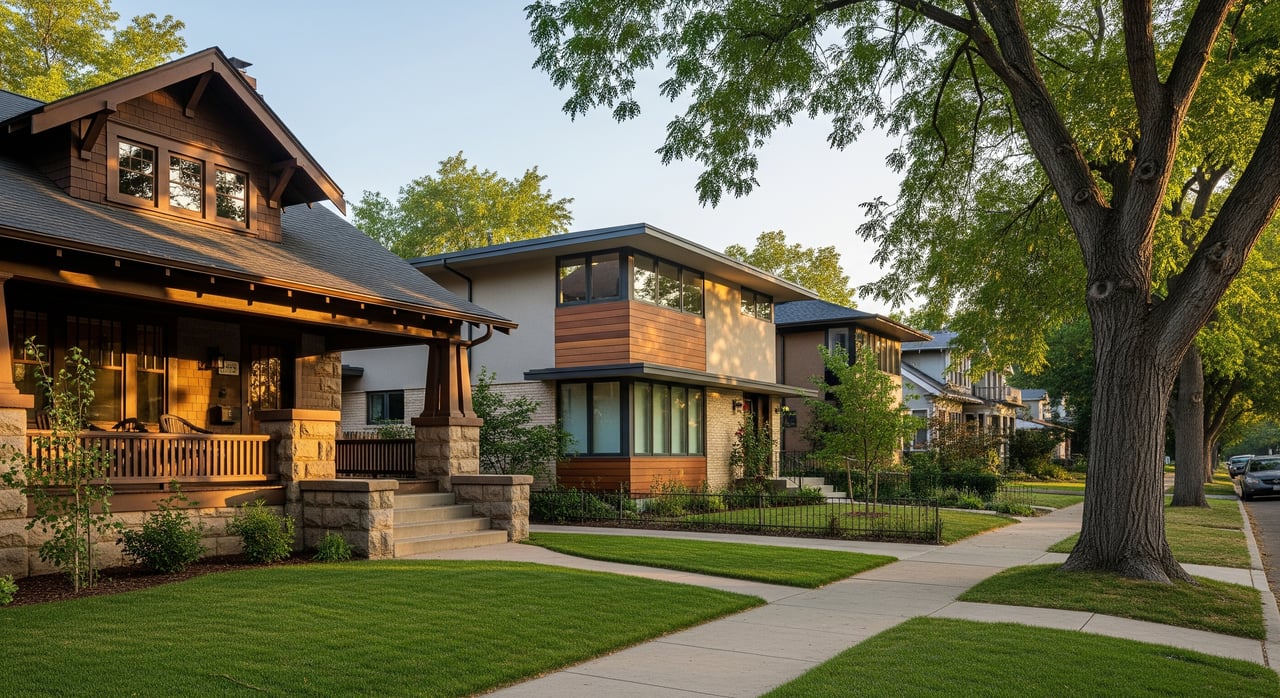
Torn between the charm of a classic bungalow and the clean lines of a mid‑century home? If you’re shopping in Cory‑Merrill, you’re in good company. The neighborhood blends early 20th‑century character with post‑war modern sensibilities, and each style offers unique strengths. In this guide, you’ll learn how these homes differ in layout, construction, maintenance and resale potential, plus what to look for during showings and inspections. Let’s dive in.
Why Cory‑Merrill context matters
Before you focus on style, make sure the specific property fits your day‑to‑day life. In Cory‑Merrill, proximity to jobs, transit, parks and neighborhood amenities often drives demand and pricing more than architecture alone. That means the right block, lot and layout can outweigh style in long‑term value.
Verify the facts on the property itself. Denver Assessor records can confirm year built, lot size, finished and unfinished square footage, and whether there have been significant additions. It also helps to review recent comparable sales and days on market to understand how renovated bungalows or mid‑century homes are performing. Zoning rules, overlays or historic constraints may affect what you can change later, so confirm current regulations with Denver Planning & Development before you plan an addition or exterior update.
Bungalow vs mid‑century basics
What defines a bungalow
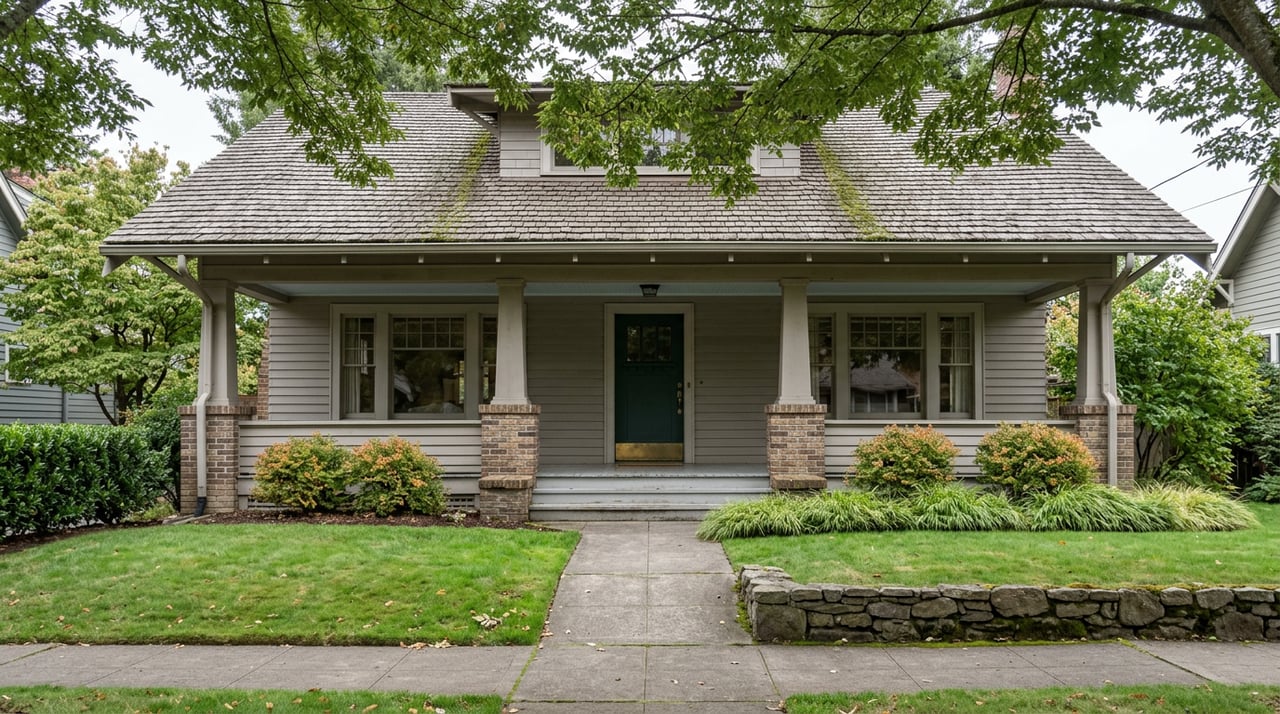
Bungalows in Denver were commonly built from the 1910s to the 1940s. You’ll often see one or one‑and‑a‑half stories, compact footprints, and a welcoming front porch. Many include full basements, which can be ideal for storage, mechanical access and future finishing.
Inside, expect plaster walls, built‑ins and more separated rooms. Original double‑hung wood windows are common. The classic roof pitch is steeper, with attic spaces that may be unfinished. These homes often sit on deeper lots with alley access and detached garages.
What defines mid‑century
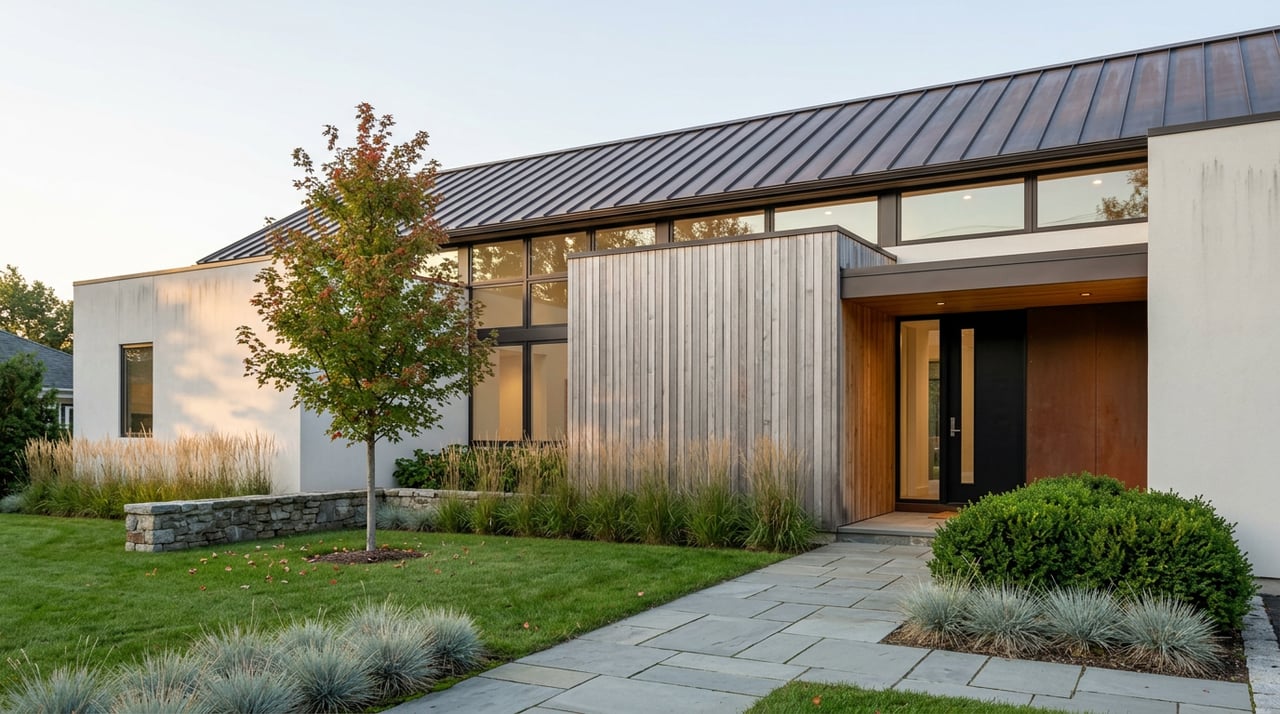
Mid‑century homes in the area typically date from the mid‑1940s through the 1970s. You’ll notice lower rooflines, a more horizontal look, and large picture windows that bring in natural light. Many feature open floor plans, sliding glass doors, carports or integrated garages, and simpler landscaping that highlights the home’s low profile.
Some mid‑century homes were built on slab‑on‑grade foundations or shallow footings, especially in the 1950s and 60s. Roofs can be low‑slope or flat on certain models, which require consistent maintenance to prevent water intrusion.
Structure and systems to compare
Foundations and basements
- Bungalows often have full basements, which provide storage, easier access to mechanicals and potential expansion space. Look for signs of moisture, foundation settling and past waterproofing work.
- Mid‑century homes may be on slabs or shallow foundations. Slab plumbing repairs can be more complex because pipes run under the slab. If a basement is absent, consider where you’ll store gear and how you’ll access systems.
Roofs and windows
- Bungalows usually have steeper roofs with attic spaces. Inspect the roof framing, sheathing and soffits, and ask about roof age.
- Mid‑century models can have low‑slope or flat roofs. The roof membrane, flashings and drainage are critical. Large picture windows and clerestory glass are hallmarks but may be single‑pane or custom sizes, which can be pricier to replace.
Interiors and materials
- Bungalows may still have plaster and lath, built‑ins and cozy, compartmentalized rooms. Mechanical and electrical systems may have been updated over time, but always verify age and capacity.
- Mid‑century interiors highlight openness and light, with built‑in cabinetry and original radiant or forced‑air systems. Confirm the status of electrical capacity and plumbing materials.
- For both styles, keep an eye out for asbestos in materials like old vinyl floor tile, duct wrap or pipe insulation, and lead paint in homes built before 1978. If you plan to renovate, budget for testing and mitigation.
Inspection checklist by style
A thorough inspection is your best friend with older homes. In addition to a general home inspection, plan for a radon test, sewer scope and HVAC evaluation. If you anticipate renovations, consider asbestos and lead testing. Here’s what to emphasize by style.
Bungalow inspection priorities
- Foundation and basement moisture: look for stains, efflorescence, sump pumps or French drains.
- Porch structure and footings: confirm stability and any prior repairs.
- Attic and wall insulation levels: understand energy performance and comfort.
- Window condition: check operation, glazing and potential for upgrades.
- Plaster condition: hairline cracks can be cosmetic; wider cracks need evaluation.
Mid‑century inspection priorities
- Low‑slope or flat roof: evaluate membrane, flashing and drainage.
- Windows and doors: inspect for water intrusion, seal failure and rot.
- Slab‑on‑grade concerns: verify plumbing under slab and assess settlement.
- Mechanical systems: test radiant slab heat or early zoned systems.
- Electrical and plumbing: confirm capacity and materials; plan for updates if original.
Renovation and value drivers
Layout and livability
Start with how you want to live. If you love a cozy feel with defined rooms and the potential to finish a basement, a bungalow can be a great match. If you prefer open flow and abundant natural light, mid‑century homes deliver that vibe without removing walls.
Energy and maintenance
Older single‑pane windows, minimal insulation and legacy HVAC can increase energy use. Mid‑century picture windows can add cooling load in summer if there’s limited shading. Budget for upgrades to windows, insulation and systems regardless of style if energy efficiency is a priority.
Resale considerations
Character and intact original features often boost desirability, but most buyers still weigh usable square footage, modern systems and energy performance heavily. Finished basements in bungalows add living space and storage that many buyers appreciate. Mid‑century openness and light appeal to design‑conscious buyers. In appraisal and resale, homes with functional layouts and updated systems tend to perform more consistently.
Financing, insurance and incentives
- Conventional loans are typical for both styles. Because appraisals rely on comparable sales, unique mid‑century elements may need strong comps to support value.
- Renovation loans like FHA 203(k) and Fannie Mae HomeStyle can combine purchase and rehab if your scope goes beyond cosmetic updates. Program details and eligibility can change, so confirm current options with your lender.
- Older roofs, electrical and plumbing can affect insurance premiums. It’s wise to confirm insurability and estimated premiums before you finalize terms.
- Energy incentives may be available for heat pumps, insulation, windows, heat pump water heaters and electrification work. Federal tax credits, Colorado Energy Office resources and local utility rebates can change over time, so verify current offerings and requirements.
Permits and Denver rules
Permits and overlays
Always check permit history to confirm prior work was approved and inspected. If a property sits within a historic district or conservation overlay, exterior changes and materials could be limited. Knowing these constraints up front helps you plan realistic upgrades.
Zoning and additions
Denver zoning dictates height, setbacks, lot coverage and options for additions or accessory structures. If you’re dreaming of expanding a bungalow, adding a garage or converting space, verify what’s allowed on your specific lot. Ask about parking requirements and any tree protection rules that could affect site work.
Efficiency upgrades and permits
Some energy upgrades, like HVAC changes or electrical panel work, require permits and licensed contractors. If you’re considering major window changes on a mid‑century facade, understand how that might affect both aesthetics and efficiency, and whether additional review applies.
How to choose your best fit
Focus on your needs first, then layer style on top.
- Liveability: Do you need a basement for storage, guests or a home gym? Do you prefer defined rooms or an open plan?
- Renovation tolerance: Are you comfortable managing older systems and phased updates, or do you want a move‑in‑ready experience?
- Energy and maintenance: Will you budget for insulation, window and HVAC upgrades? Are you prepared for roof or window maintenance on a mid‑century?
- Resale strategy: Think about the likely buyer pool in Cory‑Merrill and which features they prioritize. Homes with practical updates and smart floor plans generally see broader appeal.
When touring, bring a simple checklist: look for water stains, floor slope, door and window fit, roof condition, visible wiring quality and evidence of unpermitted work. Ask for recent invoices for major systems like the roof, HVAC, water heater, sewer lateral and any foundation work. Small clues can reveal big upcoming projects.
If you want a partner who understands both design and construction, our team can help you assess tradeoffs, estimate upgrade timelines and connect you with licensed inspectors and contractors. We pair neighborhood expertise with a design‑aware lens so you can buy with confidence in Cory‑Merrill.
Ready to compare a specific bungalow and a mid‑century on your shortlist? Let’s walk through them together and map your plan. Connect with the Linkow Baltimore Team to get started.
FAQs
What is the main difference between bungalow and mid‑century homes?
- Bungalows are earlier builds with steeper roofs, front porches and often full basements; mid‑century homes feature lower rooflines, large windows and more open floor plans.
Are mid‑century flat roofs a problem in Denver’s climate?
- Not inherently, but low‑slope and flat roofs require diligent maintenance; membrane condition, flashing and drainage should be carefully inspected.
Do most bungalows in Cory‑Merrill have basements I can finish?
- Many bungalows include full basements that can be finished, but you should verify ceiling height, moisture history, egress and past permits before planning a remodel.
What inspections are must‑dos for older homes in Denver?
- A general home inspection, radon test, sewer scope, HVAC evaluation and targeted testing for asbestos and lead if you plan renovations are highly recommended.
Can I finance renovations into my mortgage?
- Yes, renovation loans like FHA 203(k) and Fannie Mae HomeStyle can combine purchase and rehab costs if you meet program requirements and lender guidelines.
How do zoning and overlays affect my remodel plans?
- Zoning controls height, setbacks and lot coverage, while historic or conservation overlays can limit exterior changes; confirm rules for your property before design work.