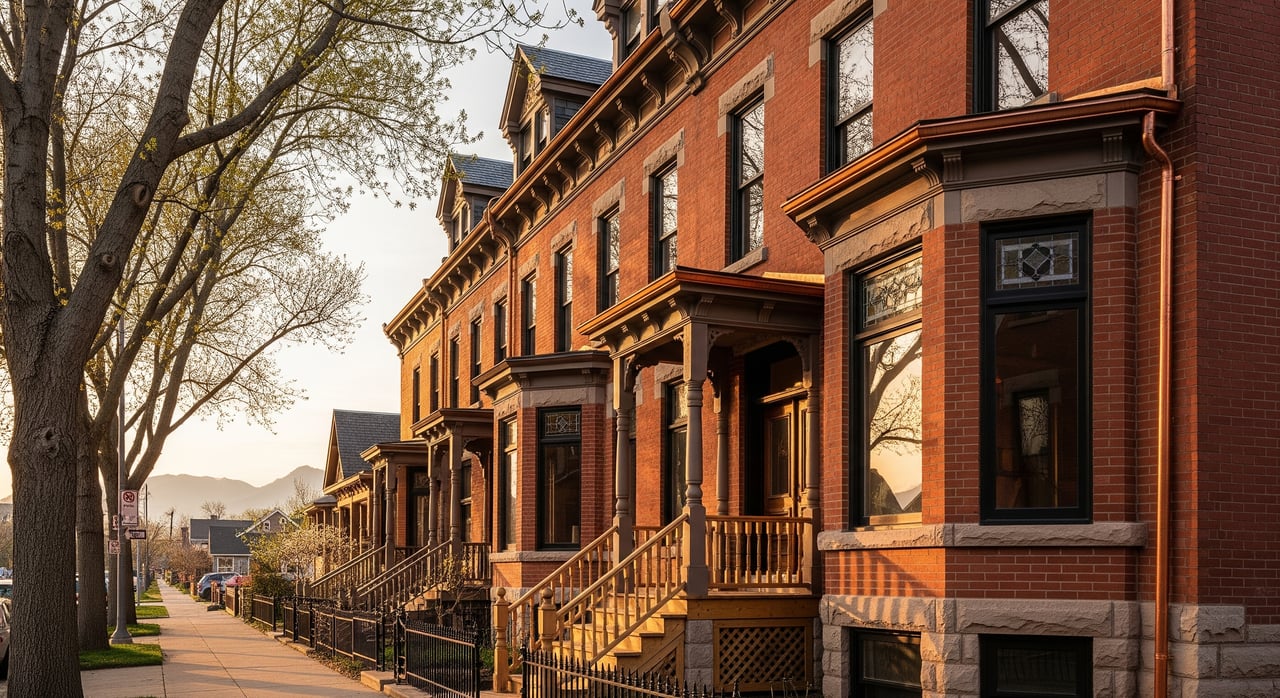
Thinking about updating a home in Denver’s 7th Avenue Historic District? You are not alone. The tree-lined blocks and classic architecture attract owners who want modern comfort without losing historic character. The key is knowing how permits and design review work so your project moves forward smoothly and stays compliant. In this guide, you’ll learn what approvals you may need, how to plan your timeline and budget, and practical tips to protect your home’s value and charm. Let’s dive in.
What historic designation means
Historic status in Denver has two layers. Local designation is what governs most renovations. If your property is within the 7th Avenue Historic District, exterior changes visible from the street often require design review and formal approval before a building permit is issued. National Register listing is mainly honorary and does not restrict private renovations unless federal funds or permits are involved.
Exterior work such as windows, doors, siding, roofing, porches, fences, additions, and demolition typically triggers review. Interior-only work usually is not regulated unless there are rare interior protections on an individual landmark.
Before you plan, confirm if your home is inside the district and whether it is a contributing or non-contributing property. That status can affect review depth and timing.
Permits and approvals
Certificate of Appropriateness
Most exterior changes need a Certificate of Appropriateness (COA), which is Denver’s design review approval. Landmark Preservation staff can approve many small projects at the staff level. Larger or more visible changes may go to a public hearing before the Landmark Preservation Commission.
Building permits and sequencing
You will still need standard building permits for structural, mechanical, electrical, or plumbing work. Building permits are often issued after design review approval, so plan your sequence accordingly. Submitting complete drawings and clear scope descriptions helps reduce back-and-forth.
Demolition and zoning relief
Demolition of contributing buildings, or substantial demolition, is closely reviewed and may require public hearings. Approval is not guaranteed. If your plan conflicts with zoning, you may need a variance or other zoning relief in addition to design review.
Environmental safety
Older homes can include lead paint or asbestos. Plan for testing and, if needed, licensed abatement. This can add time and cost, but it protects health and keeps your project compliant.
How design review works
Review criteria
Denver’s review draws from local preservation ordinances and accepted standards, such as the Secretary of the Interior’s Standards for Rehabilitation. Reviewers focus on the district’s character, looking at materials, scale, massing, and details. In general, retaining and repairing original features is preferred. When replacement is necessary, matching historic profiles and materials, or using compatible alternatives, helps projects win approval.
Documents to prepare
For a smoother review, be ready with:
- Current photographs of all elevations and the streetscape
- A site plan with property lines, setbacks, and proposed changes
- Elevations, sections, and details that show materials and profiles
- Window and door schedules, plus product specs or samples
- Construction drawings as needed for the building permit
- A narrative explaining how the design meets preservation standards
Timing and process tips
Design review adds lead time. Small, in-kind repairs may move quickly at staff level. Larger projects, additions, and new construction usually take longer because of hearing schedules and possible revisions. Schedule a pre-application meeting with Landmark Preservation staff before you finalize plans or sign contracts. Early feedback reduces redesign and surprises.
Project-specific guidance
Windows and doors
Reviewers often favor repair over replacement for historic windows. If replacement is necessary, match muntin patterns, profiles, and finishes. Interior or exterior storm windows can boost energy performance without removing historic fabric. For doors, maintain historic openings and trim where feasible.
Roofing, siding, trim
Maintain the existing roof form and any details visible from the street. Material and color changes should be compatible with the home and block context. Preserve original siding and trim when possible. Avoid synthetic claddings that cover or change historic profiles.
Additions and new builds
Additions should be subordinate to the main structure and, when feasible, set back from the primary facade. New construction should respect established patterns of height, massing, roof form, materials, and window rhythms. Aim for work that is clearly new on close inspection yet visually compatible from the street.
Porches, fences, equipment
Porches are character-defining features and will be closely reviewed. Fencing visible from the street is checked for height, material, and style. Place mechanical equipment where it is not visible from the public way, or screen it appropriately.
Budget, incentives, risk
Cost planning
Historic-friendly materials and accurate detailing can cost more than standard replacements. Plan for design review fees, potential design revisions, and a longer timeline. Include testing and abatement for lead or asbestos if your home is of an age where these are common.
Incentives and tax credits
A federal Historic Rehabilitation Tax Credit generally applies to income-producing properties, not most single-family homes. State and local incentives can change and may have eligibility rules. Check with the Colorado State Historic Preservation Office and Denver preservation staff for current programs and requirements.
Insurance, value, resale
Well-maintained historic homes often hold value. Buyers should understand the extra care and approvals that come with historic districts. Sellers should disclose known restrictions, recent COAs, and any preservation easements that affect the property.
Compliance and enforcement
Work that does not comply with local preservation rules can result in fines or orders to reverse changes. Always obtain required approvals before altering exterior features.
Prep checklist
Use this step-by-step list as you plan a project in the 7th Avenue Historic District:
- Confirm your property’s district boundary and contributing status.
- Schedule a pre-application conversation with Landmark Preservation staff.
- Gather documentation: current site and elevation photos, any historic photos, property deed, and prior COAs.
- Prepare design materials: site plan, elevations, material samples, window and door schedules, and a compatibility narrative.
- Engage the right pros: a preservation architect or designer for larger projects, a contractor experienced with historic work, and licensed hazardous-material specialists if needed.
- Build a realistic budget and timeline that includes design review, potential hearings, and revision cycles.
- Review eligibility for incentives if your property is income-producing.
How to set your project up for success
- Start early with staff guidance. Early input helps you align materials, details, and massing with review criteria.
- Prioritize repair first. Retain and repair original fabric where you can. It is often less costly and more likely to pass review.
- Plan energy upgrades that do not remove historic fabric. Consider attic insulation, interior storms, and discreet HVAC improvements.
- Document as you go. Photograph existing conditions and any discoveries, such as original trim under later siding. Salvage character elements when removal is unavoidable.
- Communicate with neighbors. Clear outreach can build understanding and reduce objections during public review.
Work with the right team
Renovating in 7th Avenue is part design challenge, part process management. You will benefit from professionals who understand Denver’s preservation standards and permit pathways. A contractor with historic experience can protect original materials and assemble the right documentation. For larger projects, a preservation-focused architect can craft drawings and narratives that meet the city’s expectations.
If you are buying, selling, or planning value-add work in the 7th Avenue Historic District, you also want a real estate team that understands how review timelines, budgets, and scope can influence market value and negotiation. The Linkow Baltimore Team pairs construction-savvy guidance with design-forward marketing to help you weigh options, connect with trusted pros, and move confidently from concept to closing.
FAQs
Do I need approval to replace windows in 7th Avenue?
- If the windows are visible from the street, a Certificate of Appropriateness is commonly required; repair or in-kind replacement is often preferred and may be approved at staff level when well documented.
Does National Register status restrict my renovation?
- National Register listing is mainly honorary for private owners; local historic district rules are what typically govern exterior changes in 7th Avenue.
How long can historic review take in Denver?
- Small projects can move quickly, while larger changes that require commission hearings take longer due to meeting schedules and potential revisions; early staff engagement helps.
Can I demolish a contributing house in the district?
- Demolition is rigorously reviewed and may face public opposition; approval is not guaranteed and alternatives like rehabilitation are commonly explored.
What documents will I need for a COA?
- Expect to provide current photos, a site plan, elevations, material specs or samples, window and door schedules, construction drawings as needed, and a narrative explaining compatibility.