Pull up Cory-Merrill on two different data sites this week and you'll get two different neighborhoods. One tracker puts the average home price near $930,000 as of last month, up 20 percent year over year, with homes moving in about 27 days. Another puts the median at $1,225,000 over the trailing 30 days, down 41.4 percent from the same period a year ago, with homes selling in a median of 7 days, a median sale-to-list price ratio of 100 percent, and more than a third of homes closing above asking.
Neither number is wrong. Both are describing the same fourteen to twenty five closings that happen in this neighborhood in a typical month, and that's the problem. Cory-Merrill doesn't have one housing market. It has two, sitting on top of each other, and depending on which handful of sales landed in a given thirty day window, the average can swing by hundreds of thousands of dollars without the underlying market moving at all.
If you're comparing this neighborhood to somewhere with one consistent housing stock, the median you're reading is close to meaningless on its own. Here's what actually explains the spread, and what to look at instead.
A Neighborhood Built On Two Different Products
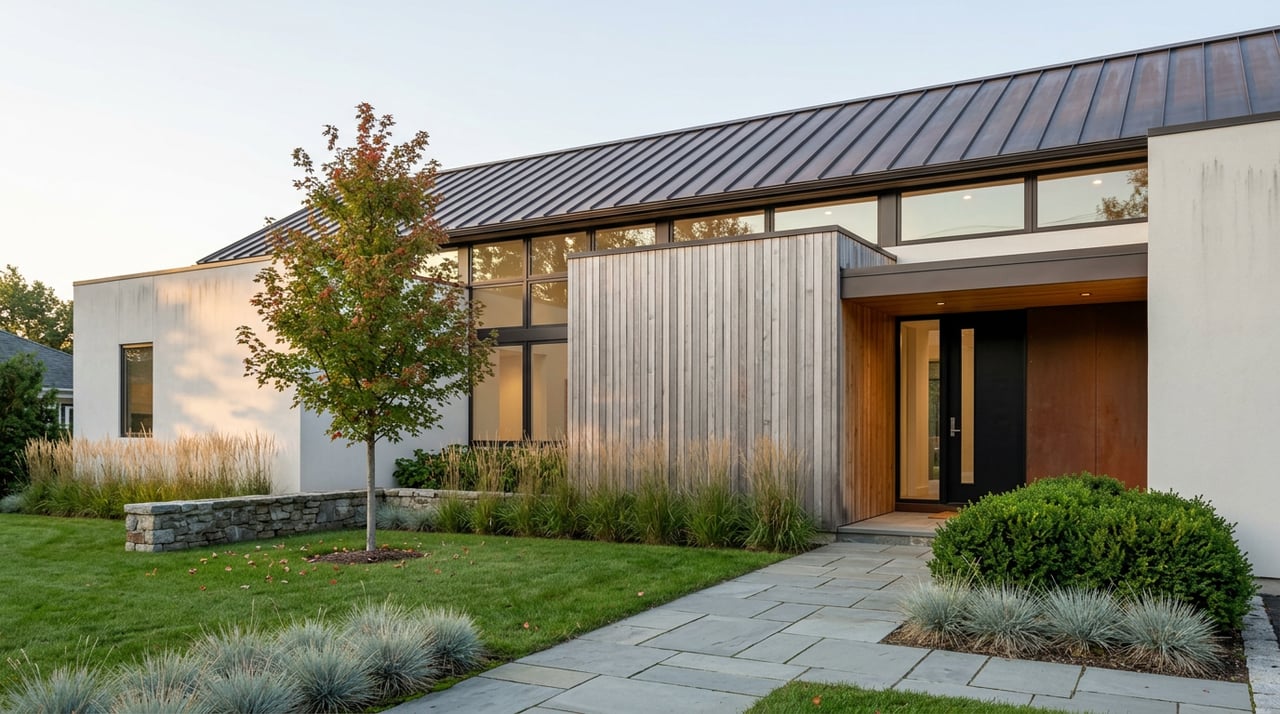
The reported market range in Cory-Merrill runs from roughly $1 million for a scrape-ready lot to $3 million and up for a finished custom estate. That's not a typo and it's not a sign of a confused market. It's the honest range of what actually changes hands here in a given month: a smaller, older house that a buyer intends to demolish, or a large, recently finished new build on the same size lot.
When most of a month's closings land on one side of that range, the median or average tilts hard in that direction. When a couple of finished new builds close in the same window as several teardown-lot sales, the number swings back. A neighborhood selling twenty homes a month across a $500,000 spread will always look more volatile on paper than a neighborhood selling two hundred homes a month within a tighter band, even if the second neighborhood is objectively less stable.
Why Cory-Merrill Specifically
The reason this particular pocket of south Denver became the epicenter of the city's scrape and rebuild trend, rather than the blocks around it, comes down to something recorded in the original 1940s and 50s plat: lot size.
| Area | Typical lot size |
|---|---|
| Cory-Merrill | 6,000+ sq ft |
| Bonnie Brae / Washington Park | 3,000 to 4,500 sq ft |
That extra land is the difference between what's legally and physically possible to build. A wide-body new construction home with a three car garage and a main-floor primary suite fits on a Cory-Merrill lot in a way it simply does not on the narrower parcels a few blocks away in Bonnie Brae or Washington Park. Builders go where the dirt allows the larger footprint, and buyers who want that footprint follow.
Denver's alt-weekly Westword documented this shift taking hold years ago, when the Cory-Merrill Neighborhood Association's then vice president, referred to in the piece only as Olson, described the group's approach to the wave of teardowns moving through the neighborhood block by block. Rather than pursue the zoning overlays or historic district designations that Washington Park and Bonnie Brae used to slow scrape-offs, Cory-Merrill's association chose a different path: showing up at zoning hearings, tracking permits, and talking directly with builders.
"We're not trying to be an aesthetic gestapo," Olson told Westword. "We're not in a time warp, we're not stodgy, we're not against big houses per se."
The same reporting traced one specific dispute to a house at 1161 South Clayton Street, where a builder secured neighbor approval for a taller design meant to preserve a mature tree, then built beyond the approved height and setback once construction was underway. It's the kind of friction that shows up in a neighborhood absorbing this much redevelopment at once, and it's worth knowing about if you're buying next to an empty lot or a house that looks like it's on borrowed time.
Three Generations On The Same Block
Walk a typical Cory-Merrill street and you're usually looking at three distinct eras of construction:
- 1920s originals, built when the area was still mostly open field with a scattered handful of houses
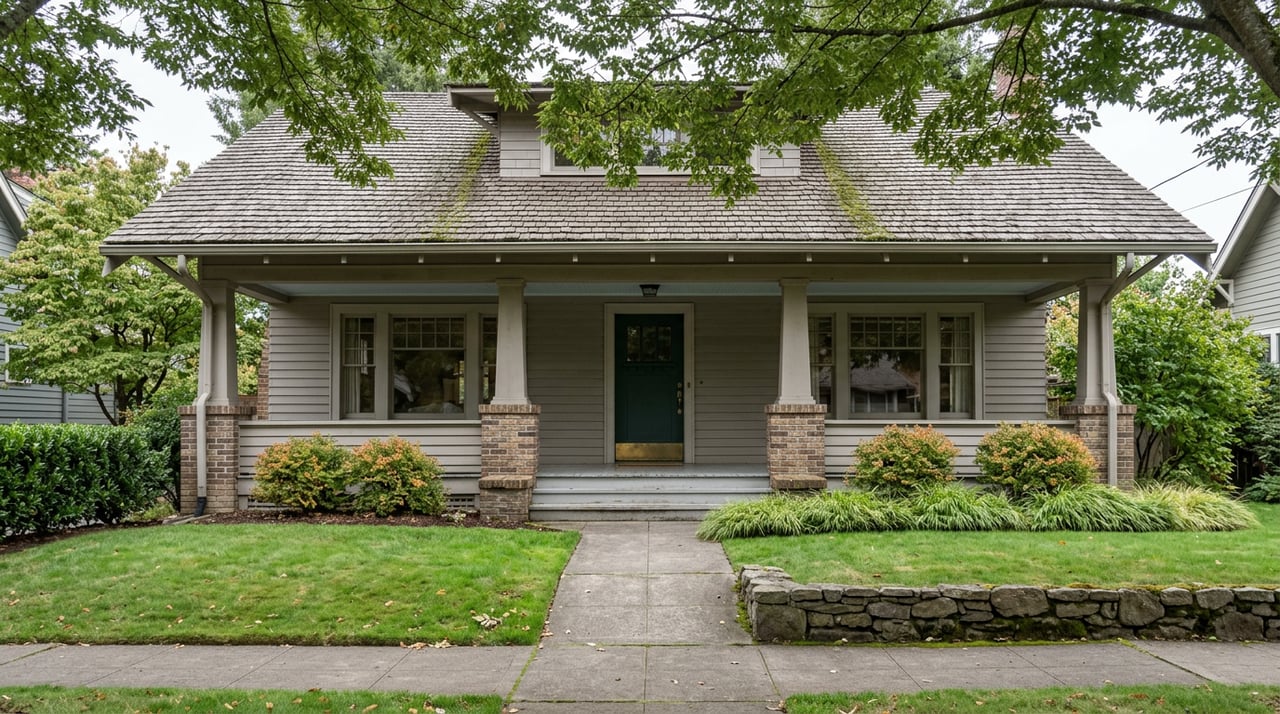
- 1940s and 50s brick ranches, many built by developer Les Tremblay in solid red or blonde masonry with flagstone accents, attached garages, and full basements designed to be affordable on GI Bill financing
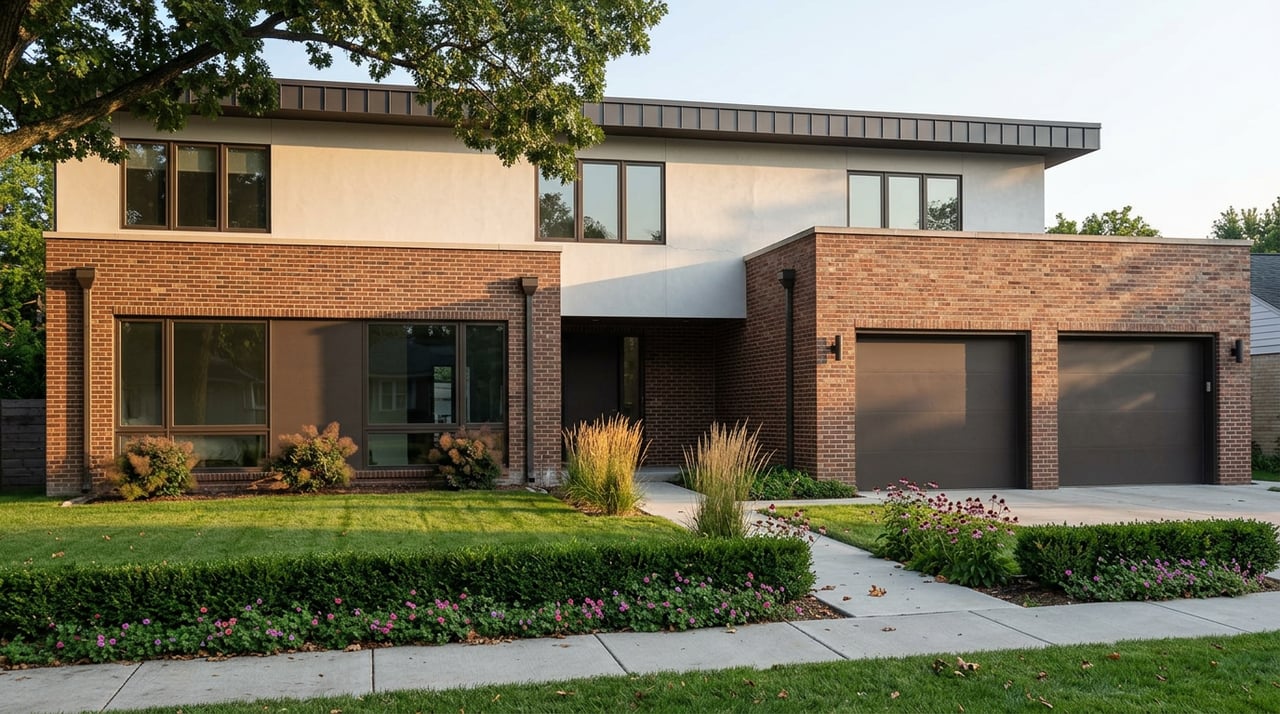
- 2003 to present custom scrapes, the wide-body new construction the larger lots were built to accommodate
That mix is why appraisals here rely so heavily on lot-specific comparables rather than a neighborhood-wide average. A 1950s Tremblay ranch and the $3 million new build next door are not comparable properties in any meaningful sense, even though they sit on lots of nearly identical size.
The School Boundary That Puts A Floor Under Land Value
One piece of the price picture holds steadier than the rest: demand tied to Cory Elementary's Highly Gifted and Talented program, which uses an Integrated Cluster Model to keep gifted students in regular classrooms while still receiving advanced instruction. Families who want that specific program pay a premium to land within the school's boundary, regardless of whether the house on the lot is a fifty year old ranch or a brand new build. That demand is one of the few things in this neighborhood's pricing that doesn't move with the scrape-versus-finished mix in a given month.
Merrill Middle School adds its own layer of interest for buyers who care about architecture. Designed in 1952 by architect Raymond Harry Ervin, the building is a recognized example of mid-century modern design in a neighborhood that otherwise wears its architecture on its houses rather than its schools.
How The Metro Slowdown Is Landing Here
Denver's broader housing market cooled in July 2026. According to the Denver Metro Association of Realtors' July report, metro-wide closings fell 11.81 percent to 3,667 sales, the median price across all property types settled at $605,000, and homes took a median of 21 days to sell, up from 18 in June, according to ColoradoBiz. Detached homes specifically carried a median price of $660,000 with nearly three months of supply on hand.
In a bimodal neighborhood like Cory-Merrill, a citywide cooling trend doesn't necessarily show up as gently softening prices. It shows up as a shift in which product is moving. A scrape-ready lot with a motivated seller and a builder ready to close can still sell in days at full price, which is likely what's driving the fast turnaround and high sale-to-list ratios showing up in some of this month's numbers. A finished $3 million new build, by contrast, is competing for a narrower pool of luxury buyers citywide, even in a summer when high-end condo sales elsewhere in Denver jumped 81 percent year over year on the back of new luxury inventory. The two ends of Cory-Merrill's market can be telling opposite stories about momentum in the exact same month.
What This Actually Means If You're Shopping Here
If your comparison shopping has you weighing Cory-Merrill against a neighborhood with a single, consistent housing type, set the median aside and ask which of the two Cory-Merrill markets you're actually looking at.
Shopping for a teardown lot means your real comps are recent land-only sales and the lot's square footage against that 6,000-plus benchmark, not a blended neighborhood average that includes finished mansions. Shopping for an already-finished new build means your comp set is the broader $2 to $3 million tier of south Denver new construction, not the lower blended number a portal might surface first. And if you're selling an original brick ranch, the lot's redevelopment potential is frequently doing more work in the appraisal than the house sitting on top of it.
A Few Questions Worth Asking Before You Write An Offer
Is Cory-Merrill's market actually slowing down in 2026, or is that just the small-sample effect? Both things are true at once. The metro as a whole cooled in July 2026, with more days on market and fewer closings. But in Cory-Merrill specifically, a single month's data will always look more dramatic than the underlying trend because the sample is small and the two products in it are priced so far apart.
Does an older brick ranch still hold its value here, or is the land the only thing buyers want? The Cory Elementary school boundary demand puts a real floor under land value regardless of what's built on it, and that floor holds for original ranches too. But a buyer's motivation for a given ranch, whether they plan to renovate, hold, or scrape, changes which comps and financing paths actually apply.
Cory-Merrill rewards a buyer or seller who reads the lot and the product mix before the headline number. If you're trying to figure out which side of this market a specific address actually sits on, or what a particular lot could support, the Linkow Baltimore Team can walk through the comps with you. Start with a Free Home Valuation.