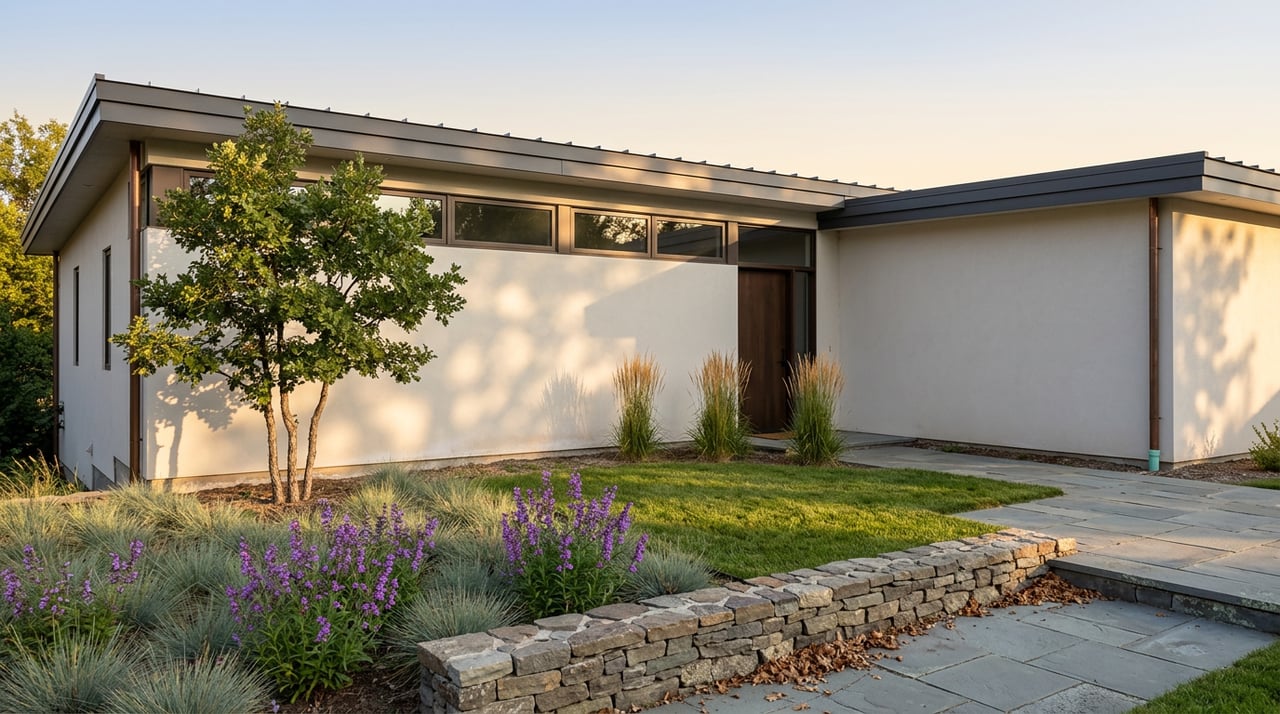
Walk the north edge of Congress Park this month and you'll notice the ground looks different before you notice why. A stretch that used to be flat green lawn is now a mix of grasses and low shrubs, cut through with the kind of texture that Kentucky bluegrass never had. Denver Parks and Recreation crews pulled that turf this summer and put in a native planting bed instead, and the reasoning behind it says as much about the six-block commercial strip a few minutes' walk south as it does about the park itself. Both places just went through the same exercise: figuring out what actually earns its keep, and letting go of what was just there for show.
What Left, and Why Now
The park department's own language on the project is blunt. In a post from late July, Congress Park Neighbors quoted the crew's reasoning directly: they were swapping out "thirsty, nonfunctional bluegrass for a native garden that thrives even in drought." That word, nonfunctional, is doing real work. Nobody was picnicking on that particular patch or running drills across it. It existed because lawn is the default, not because anyone needed it to be lawn.
The timing lines up with something bigger than one park crew's initiative. Denver Water declared a Stage 1 Drought in March 2026, its first in thirteen years, after a winter that left snowpack in both the Colorado River and South Platte basins well below what the region counts on. A patch of ornamental bluegrass that nobody uses is an easy thing to justify keeping when water is cheap and reliable. It stops being easy to justify the moment the utility that supplies it says the basin is running short.
So the swap isn't really about aesthetics. It's about triage. When a resource gets scarce, the first thing to go is whatever wasn't doing a job.
The Grass That Stayed
Here's the part that matters if you live two blocks from the park and use it every week: this was not a wholesale conversion. The ballfields are still turf. The tennis courts haven't moved. The lawn around the outdoor pool, the one that gets covered in towels and coolers every summer weekend, is still grass, because that grass gets walked on, sat on, and rained on by sprinklers that earn their water bill.
What changed is specifically the ornamental fringe, the parts of the park that were green because green is what parks default to, not because anyone had a use for them. If you're trying to picture the difference, think of it less as the park getting smaller and more as the park getting edited. The functional pieces stayed exactly where they were. The decorative filler is what got replaced with something that can survive on a fraction of the water and still support the bees and butterflies the neighborhood association has been encouraging people to photograph.
The Same Math, Two Blocks Away
Now walk south to 6th Avenue, to a storefront that until recently held the Truffle Cheese Shop. That business closed, and by January 2026 permit filings showed a new tenant moving into the same 658 square feet: a fried chicken concept called Chicken Riot, backed by Caleb Benton of Tredwell Hospitality, the same team behind Riot BBQ.
What opened there on March 26 is worth paying attention to precisely because of how small it stayed. Twelve to twenty interior seats. A menu built around pibil-marinated, slow-smoked half chickens, sandwiches on Reunion Bakery croissants, and a Caesar wrap, most of it smoked and prepped at the Riot BBQ commissary and finished on-site rather than cooked from scratch in a full kitchen. The filing itself projected roughly 70 meals a day, with about 80 percent of that as carryout.
Chicken Riot brings a different kind of food business to the storefront that previously held Truffle Cheese Shop. The old tenant sold cheese to a walk-in crowd. The new one shares a kitchen with a sister restaurant across town and turns tables fast. Same storefront, same block, a different use of the space.
That's the same logic playing out at the park. Keep what people use. Let go of what was just occupying space because nobody had questioned it yet.
What Didn't Move
None of this means Congress Park's commercial core is in flux. The opposite is closer to true, and it's worth naming what's still standing exactly where it's always been, because that stability is part of the story too.
The corner of 12th Avenue and Madison Street is still the neighborhood's actual center of gravity: Blue Pan Pizza for Detroit-style pies, Under the Umbrella for breakfast sandwiches, Sweet Cooie's for ice cream, Bamboo Sushi a few doors down. Twist and Shout and Tattered Cover are still anchoring the block they've shared for years, one selling vinyl and the other running two floors of books out of a converted historic theater. None of these businesses got edited out. They're the equivalent of the pool lawn and the ballfields: heavily used, clearly justified, not going anywhere.
What's changing is only ever the margin. The storefront now occupied by a different kind of food business. The lawn strip nobody was standing on. Everything load-bearing stayed put.
One Night in August
There's a smaller data point that fits the same pattern, and it's worth including because it shows the flip side of all this trimming: the neighborhood still invests heavily in the things that bring people together in person. Congress Park Neighbors held its annual National Night Out event at the Congress Park pavilion on August 4, and volunteer scoopers served more than 250 free ice cream cones to residents who showed up.
That's not a park department decision or a restaurant opening. It's a neighborhood association deciding, year after year, that a free ice cream social at the pavilion is worth the organizing effort, because it's one of the few things that reliably gets people out of their houses and standing next to their neighbors. In a summer defined by cutting back on water and rethinking what a storefront needs to survive, the one thing nobody's questioned is whether the block party is worth keeping.
What This Means Heading Into Fall
If you already live in Congress Park, none of this changes your daily walk in any dramatic way. The pool lawn is still there for July. The bookstore is still there for browsing on a Sunday. What's different is more subtle: the fringe areas of the park now do something for pollinators instead of just looking green, and the storefront that used to sell artisan cheese now sells a half chicken you can be in and out with in ten minutes.
Neither change was forced by a single decision-maker. The drought pushed the park. The storefront change happened around the same time. The two changes invite the same way of thinking: figure out what's actually functional, keep that, and let the rest adapt to what the neighborhood needs now rather than what it defaulted to a decade ago. That's a useful way to read Congress Park generally this year. It's not a neighborhood in transition. It's a neighborhood doing routine maintenance on itself, one square foot and one storefront at a time.
If you're curious how these kinds of block-level shifts show up in what a Congress Park home is actually worth, our Congress Park neighborhood guide is a good next stop. And if you're weighing a move in or out of the neighborhood, Linkow Baltimore Team offers a Free Home Valuation as a no-pressure way to see where your own numbers land before you decide anything.