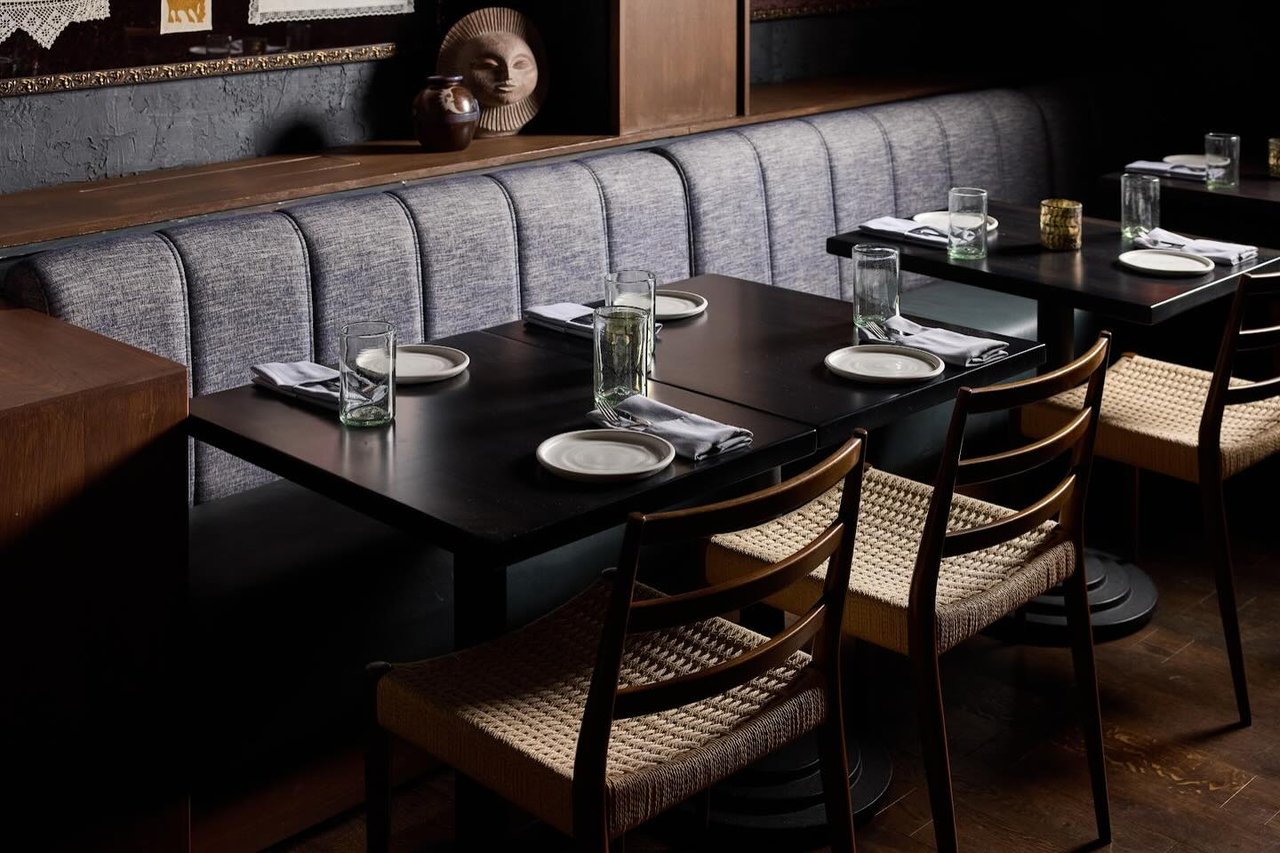
Lavender Coffee Boutique opened its second location at 1400 E. Hampden Ave in February 2026, and if you have lived in Cherry Hills Village for more than a few years, you already know why that sentence is worth pausing on. This is a city of roughly 6.5 square miles with no Main Street, no commercial strip, no cluster of storefronts anyone would call a downtown. For as long as most residents can remember, getting a coffee has meant leaving the village entirely, heading north across Hampden into Denver or east toward Cherry Creek North and the Denver Tech Center. That is not an accident of slow development. It is closer to the point.
A City Built Without a Center, On Purpose
Cherry Hills Village sits between Hampden Avenue to the north, Belleview Avenue to the south, and the South Platte River corridor to the west, about fifteen minutes from downtown Denver. What makes it unusual among Denver-area communities its size is not what is here so much as what was deliberately kept out. There is no welcome arch, no downtown block, no retail district anchoring the middle of town. The quiet that residents cite as the neighborhood's defining feature, the wide lots and mature trees and the sense that the noise of the city drops away the moment you turn off Hampden, is the product of decisions made and re-made over decades to keep commercial development to the margins.
That is what makes the new café's address genuinely interesting rather than just convenient. It did not open in some notional town center, because there is not one to open in. It opened on Hampden Avenue, which is literally the village's northern boundary line. The first real coffee shop in Cherry Hills Village exists at the edge of Cherry Hills Village. That is not a contradiction of the no-downtown pattern. It is a confirmation of it.
So Where Has Everyone Been Gathering
If the storefront never became the village's gathering place, something else had to. For Cherry Hills Village, that has always been the High Line Canal.
The canal holds an 1879 water right, one of the more junior rights on the South Platte, and was built to carry river water out to farmland on the high plains. It leaks. Denver Water, which owns and operates it, says the canal seeps somewhere between 60 and 80 percent of the water that runs through it, a design flaw from the start that turned out to make the corridor better suited to walking than irrigating. Water still runs intermittently from April through October, but the real use of the canal today is the packed service road running alongside it. More than 350,000 people live within a mile of the trail across its full 71-mile historical route, and recent data cited by the city puts recreational use at more than 500,000 visits a year.
The stretch that runs through Cherry Hills Village is officially named Trail Segment 13, "Pastoral Cherry Hills Village," and it earns the label. It runs from a future trailhead at Belleview Avenue in Greenwood Village north to Three Pond Park at 4100 S. Colorado Boulevard, shaded by cottonwoods on a soft, crusher-fine gravel surface that the trail's own map guide describes as one of the quieter sections of the whole 71-mile route. It also passes through Blackmer Common, and horses share the path in certain stretches, which tells you something about who this trail was built for and who still uses it.
| What | Detail |
|---|---|
| Segment name | Segment 13, "Pastoral Cherry Hills Village" |
| Route | Belleview Ave (Greenwood Village) to Three Pond Park, 4100 S. Colorado Blvd |
| Surface | Soft, crusher-fine gravel |
| Total canal length | 71 miles historically; the maintained trail runs to roughly mile 66 |
| Segments citywide | 27 total, each 2 to 5 miles |
| Water schedule | Runs intermittently April through October |
| Regional usage | 350,000+ residents live within a mile; 500,000+ recreational visits annually |
Two underpasses beneath Hampden Avenue and Colorado Boulevard let walkers and cyclists cross both roads, a safety feature the city calls out directly on its own High Line Canal page. The village also commissioned Icon Engineering in 2022 to study stormwater management specific to the canal within city limits, evidence that this is treated less like a scenic amenity and more like working infrastructure that happens to also be beautiful.
If you want a guided reason to use it this summer, the High Line Canal Conservancy runs a Summer Birding walk at Quincy Farm, an early-morning outing built around a newly restored wildlife pond along the canal. It is the kind of low-key, recurring event that never shows up on a "best of Denver" list but is exactly the texture of life here.
The Village Runs Its Own Small Calendar
Cherry Hills Village does not outsource its community events to a business district, because there is not one to outsource them to. The city runs its own calendar directly, and the Parks, Trails and Recreation Commission's own March 2026 meeting minutes give a clearer picture of that calendar than any polished city brochure would.
A few things worth knowing if you live here:
- The city already ran its 2026 Spring Scavenger Hunt earlier this year, continuing a tradition that residents specifically praised in feedback from the 2025 Public Works Survey.
- Winter Celebration and Movie Night also drew strong reviews in that same survey, and the commission is treating both events as fixtures worth repeating rather than one-offs.
- There is active discussion about reviving a Trail Passport Program, a self-guided walk-run-ride challenge where participants stamp a passport at boxes along the trail system and redeem a completed one at City Hall. It ran once before and could return as soon as 2027 if there is enough interest.
- Trail safety improvements are also on the table. Commissioners have flagged the Quincy Avenue and Colorado Boulevard canal crossings as an ongoing concern, and the Parks, Trails and Recreation Commission works with a roughly $10,000 annual budget for smaller trail fixes, with anything larger routed into the city's 2027 capital work plan.
None of this is dramatic. That is the point. It is a small municipal government running a small, recurring civic calendar for people who already live here, which is a different kind of infrastructure than a coffee shop or a retail strip, but infrastructure all the same.
What the Coffee Shop Actually Changes
It would be easy to read Lavender Coffee Boutique's opening as the first crack in Cherry Hills Village's no-commercial-center identity, the beginning of a slow drift toward becoming a place with a downtown after all. The more accurate read is narrower than that. One café on the village's literal boundary line does not create a center. It creates an option at the edge, for residents who want a reason to start or end a canal walk somewhere other than their own driveway.
That is a genuinely new piece of texture in a neighborhood that has not had much commercial texture to speak of, and it is worth knowing about if you live here, whether or not you ever intended to leave the village for your morning coffee again.
If you are thinking about your own place within Cherry Hills Village, whether that means understanding what a specific lot near the canal is actually worth or simply want a straight answer about how the market here is moving, the Linkow Baltimore Team knows this neighborhood block by block, canal segment included. Start with a free home valuation and let's talk about what your property actually means in a market like this one.